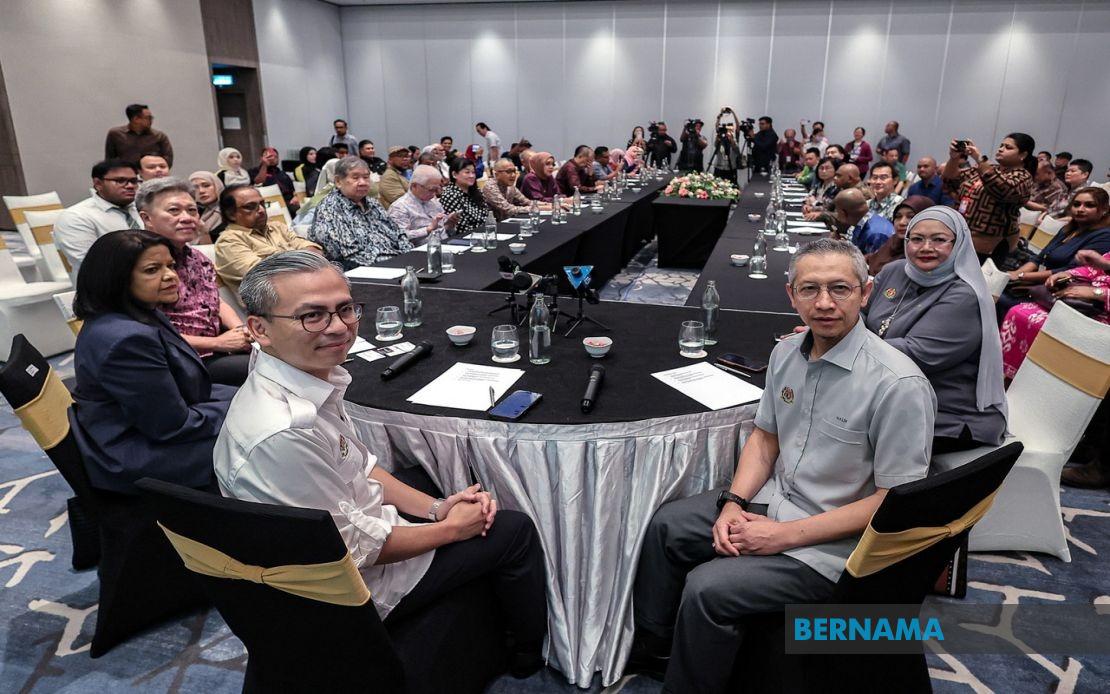
Communications Minister Datuk Fahmi Fadzil has unveiled a proposal to embed structured retreat sessions for media practitioners within the annual National Journalists' Day (HAWANA) celebrations, envisioning these gatherings as a permanent fixture in Malaysia's media engagement calendar. The initiative emerged from a dialogue session held in Butterworth during HAWANA 2026, bringing together senior government officials, media executives, and industry representatives to address pressing challenges facing the nation's journalism sector.
The retreat concept aims to create a formal mechanism for two-way engagement between the government and news industry. Fahmi indicated that the Malaysian Media Council (MMC) would be tasked with coordinating logistical arrangements and oversight of these sessions, positioning the council as a neutral intermediary between media organisations and government authorities. By institutionalising these retreats within HAWANA's framework, the proposal transforms what might otherwise be episodic consultations into a predictable, recurring platform for structured dialogue.
The strategic purpose of these annual retreats extends beyond casual interaction. Fahmi outlined that sessions would function as comprehensive feedback mechanisms, enabling media practitioners to present grievances, strategic insights, and forward-looking proposals to government representatives. These submissions could potentially inform policy development, legislative amendments, or revisions to existing regulatory frameworks. The minister's framing suggests the government views media input as valuable to governance, at least rhetorically, though implementation details remain sparse.
Among the concrete issues flagged for discussion are amendments to media-related legislation and strategies addressing the long-term financial sustainability of the journalism industry. This reflects growing anxiety within Malaysia's mainstream media sector regarding its economic viability in an increasingly digital landscape. The inclusion of "sustainability and long-term viability" among retreat topics signals government acknowledgment that traditional news organisations face existential pressures.
The retreat proposal addresses a fundamental economic crisis afflicting Malaysian media. Fahmi specifically identified the conundrum of mainstream media organisations producing content for social media platforms—content that reaches substantial audiences but generates minimal or zero revenue for news organisations. This dynamic has devastated advertising models that historically subsidised journalism, forcing redundancies and consolidation across the sector. The minister's explicit naming of this problem suggests government recognition of the structural challenges facing news providers.
Fahmi announced government readiness to facilitate discussions between the MMC and major social media platforms regarding content monetisation and revenue-sharing arrangements. This positioning of government as an intermediary or advocate for media interests represents a notable shift in rhetoric. Rather than regulatory threats, the minister framed government intervention as supportive assistance in negotiations with technology companies that have arguably captured advertising expenditure historically directed toward news publishers.
The dialogue session in Butterworth drew substantial participation from media leadership and government bureaucracy. Bernama chairman Datuk Seri Wong Chun Wai, MMC chairman Tan Sri Nallini Pathmanathan, and senior executives from local media organisations attended, alongside Communications Ministry secretary-general Datuk Abdul Halim Hamzah and deputy secretary-general Datuk Bahria Mohd Tamil. This gathering reflected the significance Malaysia's government attaches to managing relationships with traditional media institutions, particularly as those institutions face mounting financial pressure.
For Malaysian publishers and journalists, the proposal represents a potential avenue for collective advocacy regarding regulatory and economic concerns. Historically, Malaysian media organisations have navigated complex relationships with government, balancing editorial independence with pragmatic engagement on policy matters. Structured annual retreats could amplify media industry voice in policy discussions, though effectiveness depends on government receptiveness to recommendations that challenge existing interests or priorities.
The timing of this initiative during HAWANA 2026 carries symbolic weight. HAWANA celebrates journalism as a profession and acknowledges media's role in society. Embedding government-media retreats within HAWANA celebrations positions dialogue as intrinsic to professional journalism practice rather than an add-on consultation. This framing potentially elevates media industry status and suggests government commitment to ongoing engagement rather than episodic crisis management.
However, the proposal raises questions about power dynamics and outcomes. Whether government commitments emerging from these retreats would translate into actual policy changes or legislative action remains unclear. Malaysian media has previously engaged in sustained advocacy on issues including press freedom, defamation law reform, and industry economics without achieving significant legislative change. The retreat mechanism alone cannot resolve structural problems in the journalism business model or address broader concerns about editorial independence and regulatory pressures.
For Southeast Asian media systems more broadly, Malaysia's initiative reflects common regional patterns. Governments across the region increasingly recognise traditional media's economic vulnerability while simultaneously maintaining regulatory oversight and political interest in media performance. Structured dialogue formats allow governments to appear responsive to media concerns while preserving policy flexibility. Other ASEAN nations monitoring Malaysia's approach may consider similar mechanisms as market-based models continue eroding journalism revenue streams across the region.
The retreat proposal also reflects changing dynamics in government-media relations. Rather than emphasising regulation or licensing requirements, contemporary engagement frameworks emphasise partnership and joint problem-solving, particularly regarding industry sustainability. This softer rhetorical approach coexists with ongoing concerns about press freedom and political influence over editorial decisions, creating complex terrain for journalists navigating between institutional survival pressures and professional independence principles.
Moving forward, success of the retreat initiative will depend on translating dialogue into substantive government action addressing media industry challenges. Participants will scrutinise whether subsequent HAWANA celebrations produce concrete policy outcomes, regulatory amendments, or financial mechanisms supporting sustainable journalism. The proposal's ultimate value lies not in creating a dialogue platform—which Malaysian media and government already access through existing channels—but in converting that dialogue into tangible improvements for news organisations and the journalists they employ.

