%22%2F%3E%3C%2Fpattern%3E%3C%2Fdefs%3E%3Crect%20width%3D%22100%25%22%20height%3D%22100%25%22%20fill%3D%22url(%23ph1e5gng)%22%2F%3E%3Crect%20width%3D%22100%25%22%20height%3D%22100%25%22%20fill%3D%22url(%23ph1e5gnp)%22%2F%3E%3Ctext%20x%3D%2250%25%22%20y%3D%2250%25%22%20text-anchor%3D%22middle%22%20dominant-baseline%3D%22central%22%20fill%3D%22rgba(255%2C255%2C255%2C0.95)%22%20font-family%3D%22Georgia%2C%20'Times%20New%20Roman'%2C%20serif%22%20font-weight%3D%22700%22%20font-size%3D%22272%22%20letter-spacing%3D%22-0.02em%22%3EFahmi%3C%2Ftext%3E%3C%2Fsvg%3E)
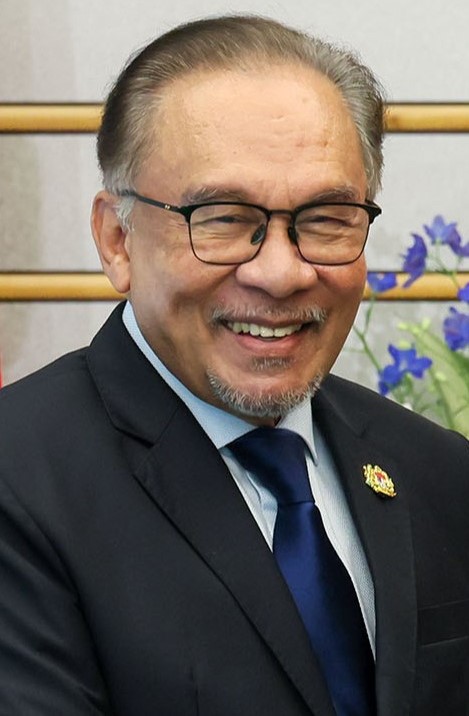
Communications Minister Datuk Fahmi Fadzil has extended his congratulations to Tan Sri Nallini Pathmanathan following her appointment as chairman of the Malaysian Media Council, the industry's self-regulatory body. The announcement, made on June 15, marks a significant institutional development for Malaysia's media landscape as the newly established body formalises its governance structure under the Malaysian Media Council Act 2025.
Fahmi's public endorsement, shared via Facebook, underscores the government's confidence in Nallini's leadership credentials for the role. Drawing on her extensive judicial background as a former Federal Court judge, the minister expressed optimism that the newly appointed chairman would prioritise the dual imperatives of protecting media freedom while simultaneously ensuring journalistic standards remain robust and accountable. His remarks reflect a broader policy approach that seeks to balance press autonomy with institutional responsibility.
The appointment itself followed unanimous endorsement by the MMC's board members during a meeting convened on May 26. This consensus-based selection suggests broad stakeholder agreement within Malaysia's media sector regarding Nallini's suitability for the position. Her judicial experience, accumulated over decades serving on Malaysia's highest court, positions her to navigate the complex intersection of constitutional law, free speech principles, and media regulation that defines the council's mandate.
The Malaysian Media Council itself represents a significant regulatory evolution for the country's press environment. Established under the 2025 legislation, the MMC functions as an independent self-regulatory mechanism designed to address media conduct issues without direct government intervention. This institutional arrangement reflects international best practices whereby industry bodies, rather than state apparatus, adjudicate on ethical and professional standards within journalism. For Malaysian readers and media practitioners, this distinction carries meaningful implications regarding editorial independence and journalistic accountability.
Fahmi's emphasis on responsible media freedom within his congratulatory message reveals the administration's nuanced position on press regulation. Rather than advocating unfettered editorial autonomy, his statement articulates a vision where freedom operates within an ethical framework. This framing acknowledges growing concerns about misinformation, sensationalism, and the erosion of public trust in institutions—challenges that extend across Southeast Asia as digital platforms democratise content distribution while complicating verification and editorial control.
The emphasis on strengthening journalistic ethics resonates particularly in Malaysia's contemporary media environment. The country has witnessed increasing fragmentation along political and commercial lines, with outlets frequently accused of partisan coverage or sensationalism. A revitalised regulatory body under credible independent leadership could theoretically help restore public confidence in institutional media at a time when alternative information sources proliferate unchecked. Nallini's appointment, therefore, carries symbolic weight beyond mere administrative succession.
Nallini's background as a Federal Court jurist specifically enhances her legitimacy for this role. Courts operate within established procedural frameworks and evidence-based reasoning that translate readily to media regulation. Her familiarity with constitutional protections for free speech, alongside principles governing restraint and responsibility, positions her to lead an organisation that must manage inherent tensions between competing rights and interests. This judicial temperament becomes increasingly valuable as media bodies confront complex cases involving privacy, national security, corporate reputation, and public interest claims.
The MMC's self-regulatory model addresses a persistent gap in Malaysia's regulatory architecture. Unlike government media agencies bound by political cycles, or purely voluntary industry associations lacking enforcement mechanisms, the council operates as a statutory body with genuine independence yet institutional legitimacy. This structure allows the media industry to police its own conduct while providing recourse mechanisms for aggrieved parties. For Malaysian consumers of news and information, this means access to complaint procedures and adjudication processes outside both government censorship and unaccountable corporate structures.
Regionally, Malaysia's investment in institutionalised media self-regulation distinguishes it within Southeast Asia's varied approaches to press governance. While some nations rely primarily on government regulation and others depend entirely on market forces and voluntary standards, Malaysia's legislative framework suggests acknowledgment that professional media health requires structured accountability mechanisms. This positioning could potentially influence regulatory approaches adopted by neighbouring countries grappling with similar tensions between press freedom and social stability.
The appointment also carries implications for the broader media industry. Newsrooms and media organisations will likely adjust operational practices to align with standards that an independent regulatory body might establish. Whether through complaints resolution, ethical guidance, or disciplinary actions, the MMC under Nallini's leadership will shape industry norms and professional expectations. Media professionals and organisations must now navigate this evolving regulatory environment, where editorial decisions face potential review by an institution designed to represent public interest rather than organisational interests.
Looking forward, Nallini's tenure will substantially determine the MMC's public perception and effectiveness. Her ability to command respect across media organisations, government bodies, and civil society will influence the council's legitimacy and impact. Early decisions regarding complaint procedures, ethical guidelines, and high-profile cases will signal whether the institution functions as a genuine independent arbiter or becomes perceived as advancing particular interests. For Malaysian media stakeholders and news consumers, the coming months will prove crucial in assessing whether this regulatory innovation genuinely strengthens journalistic standards and public trust.