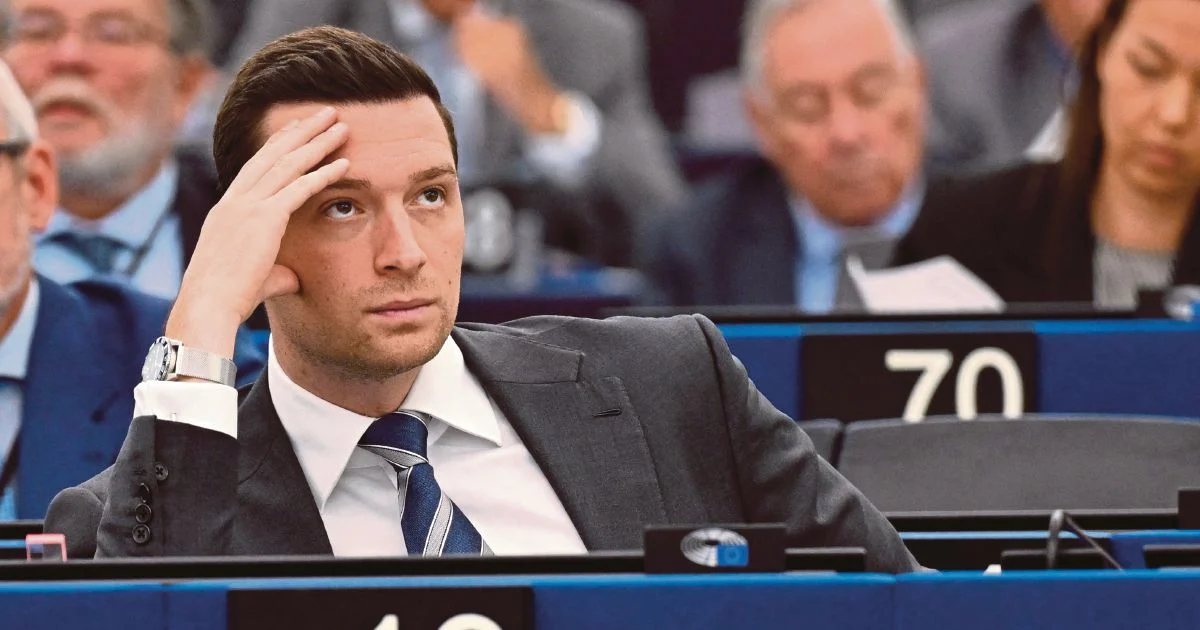
France's anti-corruption watchdog has initiated moves to investigate claims that Jordan Bardella, the influential far-right figure tipped to become the country's next presidential candidate, once occupied a fabricated assistant position within the European Parliament. The allegations have sparked fresh controversy around one of France's most prominent nationalist politicians and raise questions about governance standards within both the European institution and French political circles at a pivotal moment in the country's political cycle.
The corruption investigation mechanism was triggered Tuesday after the watchdog examined evidence suggesting Bardella may have received payment for work that was never actually performed during his time linked to the European Parliament. The claims represent a serious challenge to his credibility, particularly given the French public's longstanding sensitivity to financial impropriety among political figures. Such accusations carry particular weight in the current political climate, where concerns about institutional integrity and proper stewardship of public funds remain high on voters' minds across Europe.
Bardella and his National Rally party have categorically rejected these assertions, framing them as politically motivated attacks against a rising force in French politics. The party's response underscores the increasingly polarized nature of French political discourse, where allegations against figures from the anti-establishment right are frequently dismissed as coordinated attempts by establishment opponents to delegitimize their movement. This defensive posture reflects broader tensions within French society regarding the legitimacy and tactics of its political institutions.
The investigation carries significance beyond France's borders. The European Parliament, which has faced recurring criticism over administrative practices and spending oversight, would face fresh scrutiny if the allegations prove substantiated. Such findings could reinforce the widespread perception among voters across the European Union that parliamentary institutions are insufficiently accountable and that staff employment practices lack adequate transparency. For Southeast Asian observers monitoring European governance developments, the incident illustrates how even developed democracies struggle with institutional oversight mechanisms.
Bardella's trajectory represents a crucial element of France's evolving political landscape. As a leading figure within the National Rally, widely expected to be a central force in upcoming French elections, any substantive findings from this investigation could reshape the electoral dynamics significantly. His personal credibility remains important to his political viability, making this inquiry consequential for France's near-term political direction and the balance of power between nationalist and centrist forces.
The timing of this investigation is notable, arriving at a moment when France's political establishment faces broader questioning about legitimacy and representation. Voters across much of Europe, including French citizens, have grown increasingly skeptical of traditional political elites, creating space for outsider figures like Bardella. However, such skepticism cuts both ways—populations also expect higher standards of accountability from those promising alternative approaches to governance. Any evidence of improper conduct would undermine claims that anti-establishment politicians represent a cleaner alternative to traditional politics.
The European Parliament itself faces institutional implications from this situation. The chamber has faced persistent criticism regarding employment practices, with previous scandals revealing inadequate oversight of assistant positions and funding allocations. Multiple investigations over the years have exposed instances of unnecessary positions, inflated salaries, and insufficient verification of actual work performed. Strengthening these oversight mechanisms remains essential for maintaining public confidence in European institutions that already struggle with legitimacy problems, particularly in countries where populist movements have gained ground.
For Malaysian readers observing international governance developments, this case illustrates universal challenges that democracies at all development stages encounter. Employment fraud allegations against politicians, improper use of public funds, and institutional accountability gaps transcend geographical and economic boundaries. The mechanisms by which anti-corruption bodies investigate such matters, whether successfully or ineffectively, offer lessons applicable to enhancing governance standards across Southeast Asia's diverse political systems.
The investigation's progression remains uncertain at this stage, with multiple potential outcomes ranging from clearance to substantive findings of misconduct. The watchdog's involvement ensures that the matter will receive systematic examination, though the speed and thoroughness of any resulting probe will depend on available evidence and investigative resources. How French authorities handle this case may influence public perceptions of institutional integrity and the fairness of accountability mechanisms when applied to figures across the entire political spectrum.
Beyond the immediate implications for Bardella and the National Rally, this situation reflects broader questions about how democratic societies maintain institutional standards while managing political polarization. The investigation's findings, whatever they may ultimately be, will contribute to ongoing debates about parliamentary governance, anti-corruption enforcement, and the nature of legitimate political competition in contemporary democracies. These conversations remain vital as France and Europe navigate their complex political futures.

