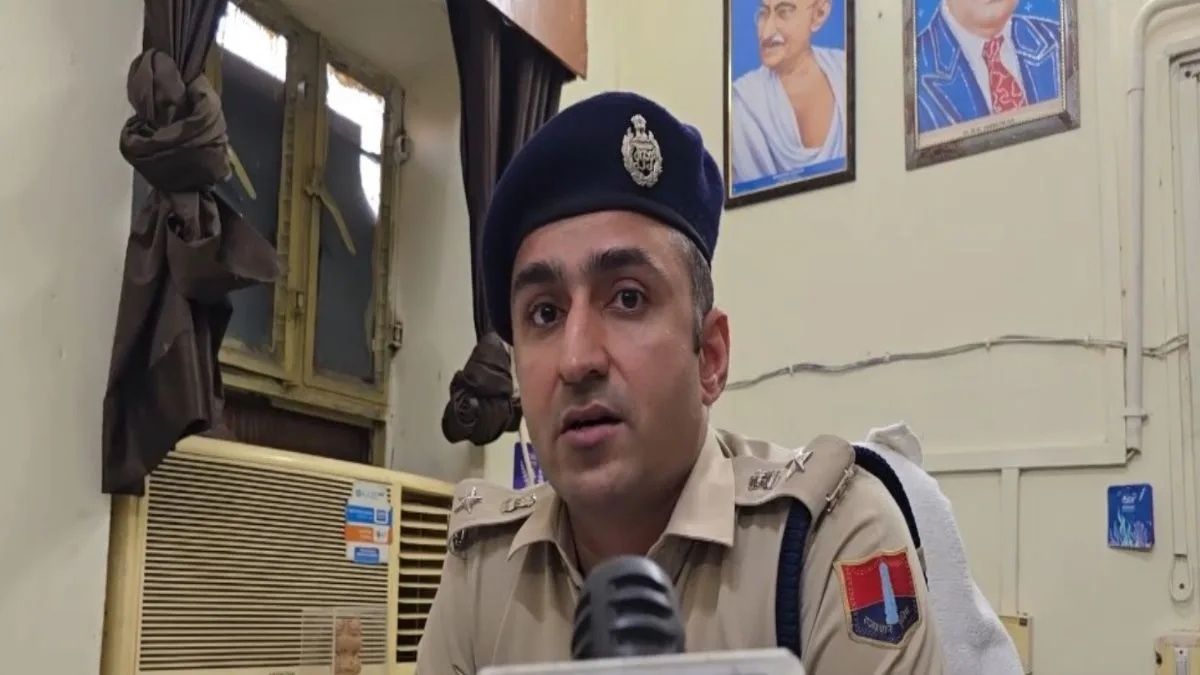
A suspected honour killing in Rajasthan's Dholpur district has prompted a murder investigation after two young women from the same family were allegedly pushed into a river, police confirmed on Friday. The incident, believed to have occurred around 9pm to 10pm on June 11 near Sagarpada Bridge, has led authorities to name the victims' father and several other family members as suspects in what investigators describe as a case rooted in the family's rejection of the women's romantic choices.
The Sadar Police received information that Bharat Lodha, a resident of Pharakpur village and father of four, had killed two of his daughters. Upon receiving this complaint, police teams immediately mobilised to the location and began examining the scene. Superintendent of Police Vikas Sangwan outlined the circumstances that have emerged from preliminary inquiries, painting a disturbing picture of family conflict escalating to fatal consequences.
According to initial police findings, the fundamental motive behind the alleged killings centres on romantic relationships that the family actively opposed. This pattern aligns with a troubling phenomenon in parts of North India where family honour is perceived to be threatened by young women's relationship choices, particularly when those choices fall outside family or community expectations. The victims appear to have become victims of this deeply ingrained mindset, with investigators treating the case as a potential honour killing—a classification that suggests deliberate elimination of family members perceived as having brought shame upon the household.
The mechanics of how the women were brought to Sagarpada Bridge remain under intensive scrutiny. Police are systematically reconstructing the sequence of events leading up to their deaths, examining crucial details including the time the victims were taken from home, the vehicle or mode of transport used to convey them, and which family members were present at the location. These investigative threads are essential to establishing the full chain of culpability and determining whether this was a spontaneous act or a premeditated plan involving multiple perpetrators.
Investigators suspect that the women were forced off or pushed from Sagarpada Bridge into the river below, though Sangwan emphasised that such conclusions remain preliminary pending further verification. The river location itself suggests a deliberate choice—disposing of bodies in water creates investigative challenges and may reflect an attempt to conceal evidence. The bridge location indicates accessibility and relative isolation, factors that criminals often consider when planning such acts.
The investigation into this case underscores a broader pattern of family violence in India that frequently goes underreported or is concealed under the guise of accidents or suicides. The fact that police received credible information about the deaths points to community awareness and willingness to report such crimes, a positive sign for justice despite the tragedy. However, the preliminary nature of findings means that alternative explanations—accidental deaths, suicides—have not yet been fully ruled out, though the circumstances as described strongly suggest foul play.
Police continue to gather forensic evidence from the scene and are conducting extensive questioning of individuals connected to the case. The investigation encompasses not merely establishing what happened but understanding the family dynamics that led to such a drastic outcome. This requires interviews with extended family members, neighbours who may have observed tensions, and potentially the other daughters of Bharat Lodha who might provide insights into family relationships and the victims' circumstances.
The timing of the incident—late evening—suggests an attempt to minimise witnesses and conduct the alleged act under cover of darkness. This calculated approach, if confirmed, would strengthen the case for premeditation rather than a crime of passion. Investigators will examine whether family members had conducted surveillance or planning, whether the victims were isolated intentionally, and how other household members were prevented from knowing what transpired.
For Malaysia and the broader Southeast Asian region, this case serves as a stark reminder of how deeply honour-based violence remains embedded in certain communities across South Asia. While Malaysia's diverse society and stronger legal protections for women provide some safeguards, cases of family violence motivated by relationship disapproval continue to occur domestically. The Rajasthan investigation demonstrates the importance of robust police response, community reporting, and legal frameworks that treat such deaths as murders rather than private family matters.
Sangwan stated that legal action will be determined based on investigation findings, suggesting that charges may include murder under relevant sections of Indian law, with potential enhancements if premeditation is established. The case also highlights challenges in investigating crimes where perpetrators and victims share family bonds, complicating witness cooperation and evidence gathering.
As the investigation proceeds, authorities face the complex task of building an airtight case against multiple suspects while dealing with potential resistance from family members and community attitudes that sometimes sympathise with honour-based justifications for violence. The coming weeks will be critical in determining whether sufficient evidence emerges to secure convictions and send a clear message that such killings will not be tolerated, regardless of cultural or familial claims to justification.

