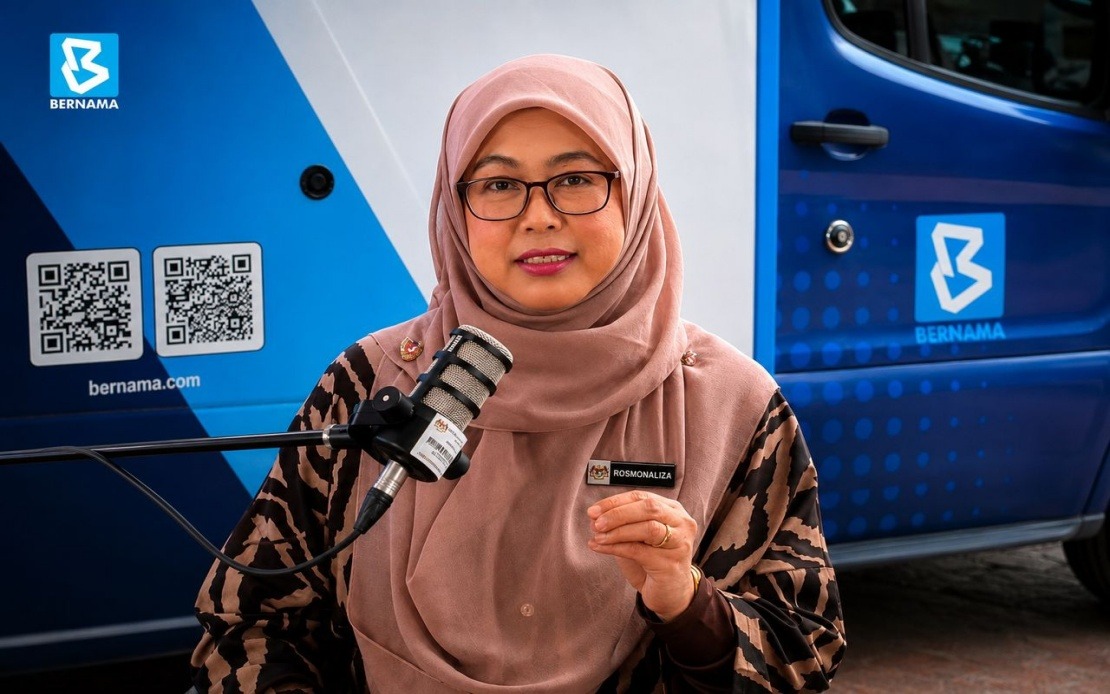
The traditional image of the father as household provider is rapidly becoming outdated in Malaysia's contemporary family structure, according to the National Population and Family Development Board (LPPKN). Speaking during the KASIH Lensa Keluarga podcast, Rosmonaliza Abdul Ghani, director of LPPKN's Family Well-being Division, emphasized that the modern father must wear multiple hats—encompassing emotional nurturance, active communication, and educational involvement alongside financial responsibility. This expanded paternal role reflects broader shifts in Malaysian household dynamics, where changing work patterns, evolving social expectations, and urbanization have fundamentally altered how families function and what they require from their members.
The evolution of fatherhood in contemporary Malaysia represents a departure from rigid gender roles that dominated previous generations. Rather than relegating fathers to the periphery of emotional and developmental decisions, LPPKN now positions them as central figures in building resilient family units. Rosmonaliza noted that fathers functioning as agents of change—rather than solely providers—contributes directly to the creation of harmonious households better equipped to navigate modern pressures. This conceptual shift carries significant implications for family stability, child development outcomes, and the overall health of Malaysian society, as research increasingly demonstrates the measurable benefits of active paternal involvement in children's lives across educational, behavioral, and psychological dimensions.
One promising trend emerging across Malaysia is the growing willingness among men to engage with professional mental health services. LPPKN has observed rising participation rates in family counseling sessions and individual therapy, indicating that Malaysian fathers are gradually shedding the stigma traditionally associated with seeking emotional or psychological support. This cultural shift proves particularly important given the mounting pressures contemporary fathers face—financial strain, workplace demands, and societal expectations frequently create bottled stress that can undermine family relationships. By normalizing counseling as a legitimate resource rather than a sign of weakness, LPPKN is helping fathers develop healthier coping mechanisms and model emotional intelligence for their children.
The board provides comprehensive support mechanisms tailored to the diverse challenges fathers encounter. Beyond traditional counseling, LPPKN offers therapy sessions, personality assessments, and specialized programs addressing financial stress, mental health concerns, and life transitions. These services operate within a deliberately non-judgmental framework, ensuring fathers feel safe discussing their struggles without fearing shame or condemnation. This approach proves especially crucial for men grappling with multiple stressors simultaneously, who might otherwise internalize their problems and transmit unresolved trauma through family relationships.
Rosmonaliza emphasized the reciprocal nature of family support, arguing that children and spouses bear responsibility for recognizing paternal sacrifice and providing emotional reciprocation. Too often in Malaysian families, she noted, the father's contributions go unacknowledged until circumstances force a reckoning—by which point, damage to relationships may prove irreversible. Children particularly must develop appreciation for their father's efforts beyond material provision, understanding that presence and emotional availability constitute gifts more valuable than possessions. This recalibration of expectations creates space for fathers to feel genuinely valued within their families, reinforcing positive family dynamics rather than breeding resentment.
The connection between absent father figures and broader social dysfunction runs deep throughout Malaysian communities. Practitioners working with vulnerable populations—including those serving the urban poor and street children—consistently observe that fractured father-child relationships correlate strongly with downstream social problems ranging from substance abuse to educational failure. When fathers disengage from active parenting roles, whether through choice or circumstance, the entire family ecosystem destabilizes. Drug addiction among male household heads frequently triggers cascading crises: financial collapse, maternal overwhelm, childhood trauma, and intergenerational poverty. These patterns underscore why LPPKN's emphasis on supporting struggling fathers represents preventative social policy, not merely therapeutic intervention.
Addressing paternal disengagement requires adopting approaches fundamentally different from punishment or coercion, according to experts working in these communities. Men struggling with identity, ego, or shame often respond defensively to judgmental interventions, retreating further rather than engaging with support. Instead, compassion-centered approaches—particularly those grounding intervention in religious values and family principles—prove more effective in helping fathers reclaim their role as responsible household heads. For many Malaysian fathers caught in cycles of addiction or poverty, reconnection with spiritual meaning and family obligation provides more compelling motivation than external sanctions. Effective outreach therefore requires meeting fathers where they are, understanding the roots of their struggles, and offering genuine pathways toward restoration rather than paths toward punishment.
The quality of time fathers invest in their families matters far more than material abundance, a message LPPKN emphasizes as consumerism increasingly shapes Malaysian family expectations. Children derive security and identity from paternal presence, attention, and emotional engagement—not from expensive possessions or lavish provision. Yet many Malaysian fathers remain trapped in productivity mindsets where financial achievement becomes the primary—sometimes sole—expression of love. This misalignment between paternal intention and child perception generates mutual disappointment: fathers feel unappreciated despite working intensely to provide, while children feel emotionally neglected despite material comfort. Breaking this cycle requires deliberate recalibration of what constitutes meaningful fatherhood within Malaysian culture.
Effective family communication emerges as the foundational requirement for modern fatherhood, enabling fathers to remain relevant and connected as their children navigate increasingly complex social landscapes. Fathers who communicate openly with their children build relationships resilient enough to weather adolescence, peer pressure, and eventual independence. Conversely, fathers who maintain emotional distance or communicate primarily through discipline risk losing influence during critical developmental windows. LPPKN's emphasis on communication skills therefore addresses practical necessity—in a rapidly changing society, fathers must actively guide children through novel challenges rather than relying on inherited wisdom or parental authority alone.
The broader Malaysian context makes LPPKN's advocacy particularly timely. As women increasingly enter the workforce and pursue education and career advancement, traditional household arrangements continue shifting. Single fathers, co-parenting arrangements, and blended families now represent significant portions of the Malaysian demographic landscape. These evolving structures require new models of fatherhood that move beyond outdated templates. Simultaneously, economic pressures mean many Malaysian families depend on dual incomes, leaving both parents simultaneously stretched between workplace and household responsibilities. Within this context, fathers cannot afford to treat childrearing as peripheral—engagement becomes economically necessary and developmentally essential.
Social challenges affecting Malaysia—from youth unemployment to mental health crises to substance abuse—frequently trace their roots to fractured family relationships and paternal absence or dysfunction. Addressing these interconnected problems requires systematic intervention at the family level, where stable, engaged, emotionally healthy fathers significantly influence outcomes. LPPKN's multi-pronged approach—combining counseling services, public awareness campaigns, and community outreach—acknowledges this reality. By positioning father engagement as a social good meriting institutional support rather than a personal choice left to individual initiative, Malaysia positions itself to address root causes of social dysfunction rather than merely managing symptoms.
Moving forward, Malaysian society must continue normalizing discussions about fatherhood's emotional dimensions while removing barriers preventing fathers from engaging fully with their families. This requires workplace policies supporting parental involvement, cultural messaging validating emotional expression among men, and sustained investment in services like those LPPKN provides. The stakes extend beyond individual family happiness to encompass societal resilience, intergenerational health, and the transmission of values across generations. When Malaysian fathers embrace expanded roles encompassing emotional nurturance, active communication, and genuine presence, entire family systems and communities benefit. This transformation from breadwinner-focused fatherhood to multidimensional parental engagement represents not a regression from traditional values but rather their authentic expression in contemporary circumstances.

