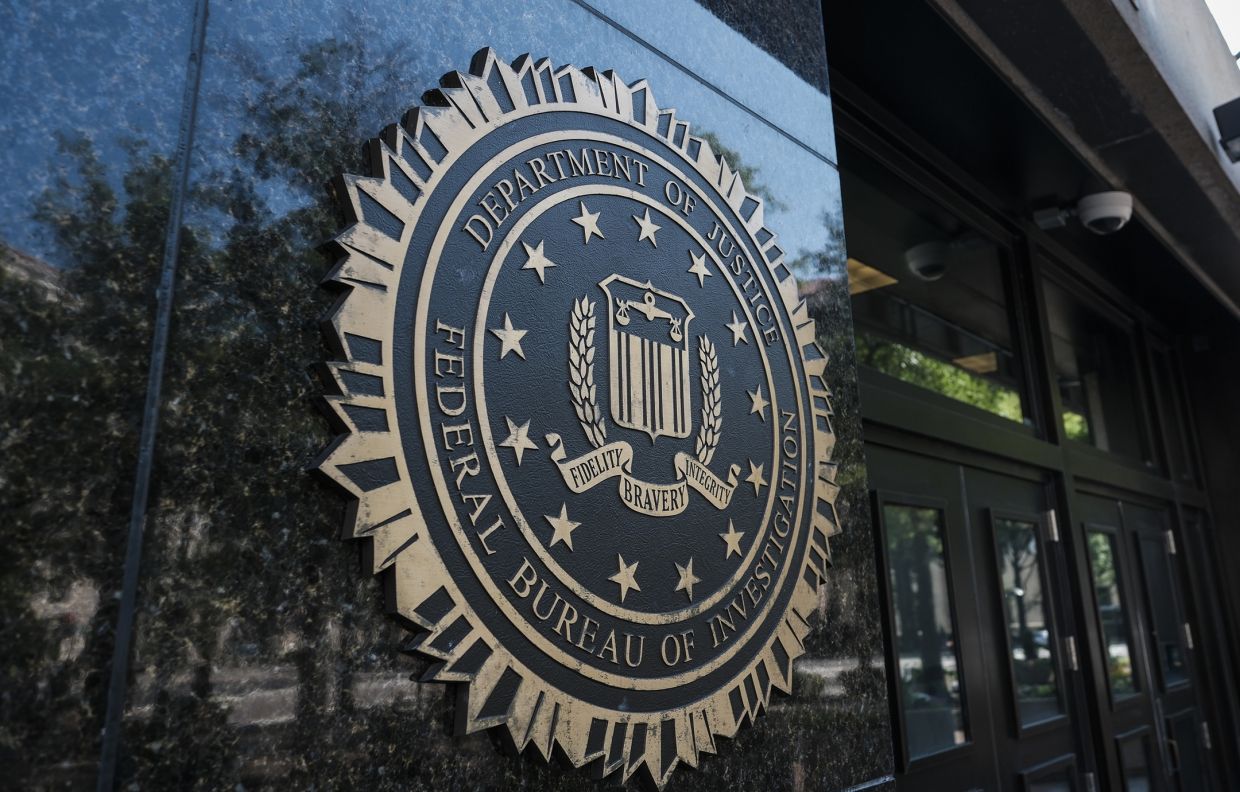
A supervisory FBI agent stationed in Washington has been taken into custody on charges related to the theft of approximately US$1 million in cryptocurrency. Patrick Yaroch's arrest followed a voluntary confession he made to colleagues, prompted by what court documents describe as a crisis of conscience. The case has emerged as a significant breach of trust within federal law enforcement, raising questions about oversight mechanisms when agents gain access to sensitive digital assets during criminal investigations.
According to an affidavit filed with the court, Yaroch approached a Justice Department employee and disclosed his actions, stating that the matter was "eating him up inside" and that he needed to "get it off his chest." Rather than attempting to conceal the theft or quietly remedy the situation, the agent's decision to come forward voluntarily may have been motivated by genuine remorse, though it also accelerated the legal consequences he now faces. The timing and manner of his confession suggest internal conflict between his position as a federal law enforcement officer and his personal financial circumstances.
The cryptocurrency in question was obtained through Yaroch's access to a suspect's account during a legitimate FBI investigation. Using a passphrase that the bureau had lawfully obtained as part of its investigative work, Yaroch made between ten and twelve separate withdrawals beginning in late 2024 or early 2025. When federal investigators subsequently examined his cryptocurrency wallet where the stolen funds had been deposited, they discovered approximately one million dollars in assets. Yaroch's own estimate had placed the figure at less than US$1 million, suggesting either imprecision in his understanding of what he had taken or possible understatement during his initial confession.
What makes this case particularly striking is the apparent motivation behind Yaroch's actions, as revealed through his communications with colleagues and his digital footprint. Court records indicate that Yaroch expressed frustration with the FBI's operational constraints, stating he was upset that the bureau "could not or would not act against adversarial cryptocurrency accounts." This suggests he may have viewed his theft not merely as personal enrichment but potentially as a form of vigilante action against what he perceived as insufficient institutional response to cryptocurrency-related threats. Whether this represented genuine conviction or a rationalization for criminal behaviour remains unclear.
The agent's internet activity provided additional insight into his mindset during the period of the thefts. In May, Yaroch used ChatGPT to solicit investment advice for approximately one million dollars, expressing an aspiration to retire by age 40 and eventually establish a vineyard or agricultural property in locations such as Cilento, Italy or Portugal's Dao region. This search history paints a picture of someone contemplating lifestyle changes and financial independence, circumstances that may have influenced his decision to access funds that were not rightfully his. The specificity of his retirement goals—particularly his interest in a slower-paced agricultural lifestyle in Southern Europe—suggests premeditation rather than impulsive misconduct.
Yaroch's approach to authorities appeared collaborative initially. He indicated willingness to continue speaking with investigators and made an appointment to do so on August 3, having stated his intention to first consult with a lawyer. This apparent readiness to engage with the investigative process might have suggested a path toward negotiation or structured cooperation. However, FBI leadership made the strategic decision over the weekend preceding his scheduled meeting to conduct an unannounced search of his residence and proceed with arrest. The timing reflects a preference for swift apprehension over the uncertain dynamics of ongoing voluntary cooperation.
Curiously, charging documents filed in federal court do not yet include a specific count related to the actual theft of cryptocurrency itself. Instead, Yaroch faces charges of possession of stolen property, a distinction that may reflect the speed of the investigation and the urgency with which authorities moved to secure his arrest. Legal analysts suggest this preliminary charging approach allows prosecutors time to develop more complex charges related to wire fraud, theft of government property, or other federal statutes while maintaining custody. The absence of formal representation in court records indicates Yaroch has not yet retained counsel, or such representation had not been entered into the system at the time documents were filed.
The incident raises significant concerns about the oversight structures governing federal agents' access to seized assets, particularly in the rapidly evolving realm of digital currencies. While traditional evidence management protocols exist for physical property and bank accounts, cryptocurrency's unique characteristics—its digital nature, the requirement for authentication passphrases, and its relative novelty within law enforcement—may present novel vulnerabilities. The case suggests that access controls and audit mechanisms for cryptocurrency seized during investigations may require strengthening, particularly when individual agents possess passphrases or private keys.
For Southeast Asian readers, this case carries particular resonance given the region's growing prominence in global cryptocurrency markets and the increasing involvement of regional law enforcement in cross-border digital asset investigations. As Malaysian, Singapore, and Indonesian authorities develop their own cryptocurrency investigation capabilities in partnership with international agencies like the FBI, ensuring robust internal controls and accountability becomes paramount. The Yaroch case demonstrates that even within experienced federal agencies, the intersection of access to valuable digital assets and individual financial temptation can create vulnerability.
The broader implications extend to questions about whether current recruitment, training, and supervisory practices adequately prepare agents for the ethical challenges posed by cryptocurrency investigations. Yaroch held a supervisory position, suggesting seniority and presumably higher standards of conduct. Yet despite his rank, he found himself in a position to rationalize theft and act on it repeatedly. The case underscores that institutional safeguards must extend beyond mere access restrictions to encompass psychological preparation and ethical frameworks that help agents navigate the unique pressures of digital asset custodianship.

