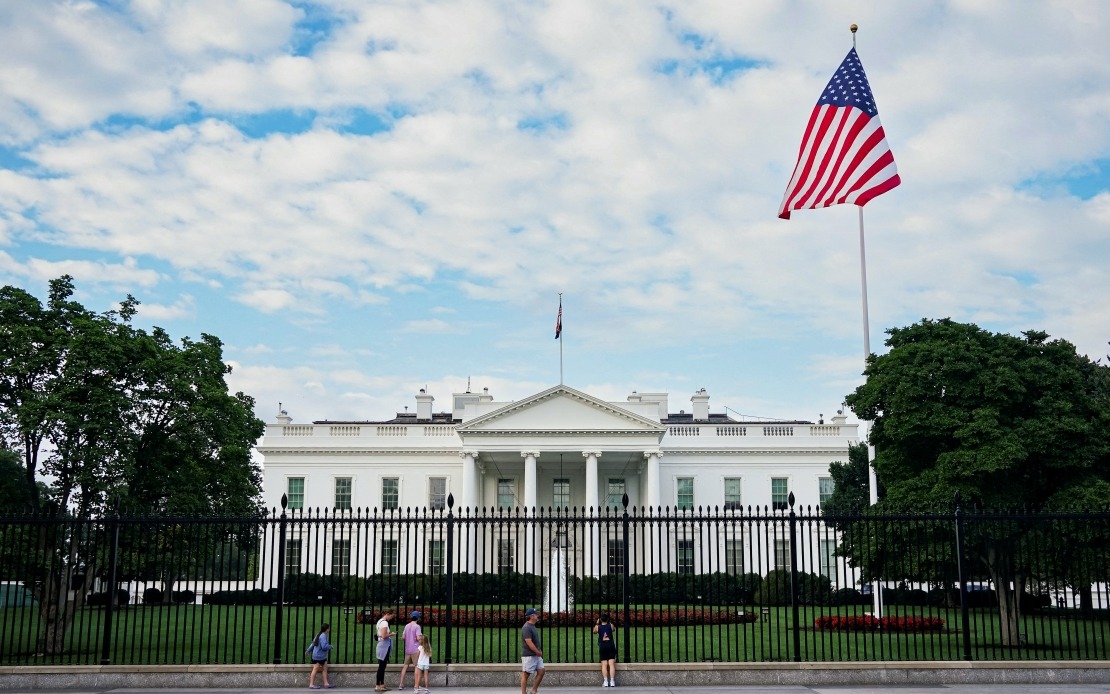
The Federal Bureau of Investigation has announced the successful disruption of what officials characterised as a serious coordinated threat against a high-profile Ultimate Fighting Championship event held at the White House on Sunday. FBI Director Kash Patel disclosed on social media that law enforcement became aware of the potential danger on June 10, enabling authorities to intervene before any harm could occur. The event, which took place on the South Lawn of the White House, commemorated President Donald Trump's 80th birthday alongside the United States' 250th anniversary, making it a significant occasion that would have presented an attractive target for those harbouring malicious intent.
According to officials familiar with the investigation, the alleged plot involved a disturbing level of operational sophistication and coordination. The purported scheme centred on using explosive-laden drones to target buildings adjacent to the venue, with the intention of triggering mass panic and causing spectators to evacuate in a specific direction. This orchestrated chaos would have funnelled crowds towards a pre-positioned sniper team positioned to inflict maximum casualties. The multi-stage nature of the alleged attack, combined with the specific targeting methodology, suggests a level of planning that extended beyond spontaneous violence and indicated a degree of tactical preparation among the conspirators.
The scope of the investigation underscores the concerning dimensions of the alleged threat network. While five individuals had been taken into custody by Monday, law enforcement officials identified approximately 23 people as potentially connected to the broader conspiracy. This significant number of identified individuals raises questions about how such a network could operate and communicate without triggering earlier intervention. Officials also revealed that a secondary wave of attacks had allegedly been planned, with conspirators intending to storm the White House gate following the initial drone and sniper assault. This layered approach to the alleged assault suggests operatives who had studied security procedures and choreographed their movements accordingly.
The UFC event itself represented an unusual spectacle in American political culture, drawing roughly 4,000 spectators to witness cage-fighting competition at the presidential residence. The unprecedented nature of hosting such an entertainment event at the White House had already generated controversy, with two Virginia residents mounting legal challenges arguing the event lacked proper authorisation. However, a federal judge in the US District Court for the District of Columbia declined to block the proceedings on Friday, determining that the event could proceed as planned. This judicial decision allowed preparations to move forward despite the legal objections, though the subsequent disclosure of the alleged security threat underscores why such scrutiny existed.
The revelation of this thwarted plot aligns with broader concerns about escalating political violence in the United States. The country has witnessed a troubling increase in violent incidents targeting political figures and institutions over recent years. The incident in April, in which a heavily armed individual carrying guns and knives penetrated security barriers at the White House Correspondents' Dinner, exemplifies the persistent vulnerability of high-profile political gatherings to determined attackers. That individual faced charges related to attempted assassination of the sitting president, demonstrating that such threats are not merely theoretical but represent tangible dangers that law enforcement must continuously address.
The successful disruption of this particular threat reflects the ongoing operational capabilities of American intelligence and law enforcement agencies to identify and intercept potential attacks before they materialise. The ten-day window between initial detection on June 10 and the actual event allowed sufficient time for investigators to locate and apprehend key figures while mapping the broader network of alleged conspirators. This preventative approach, while appearing invisible to the public when successful, represents the essential work of security services operating behind the scenes. For Malaysian observers and Southeast Asian security professionals, the case illustrates the persistent challenge of protecting high-value targets and public gatherings against coordinated threats, a concern equally relevant in the region.
The implications for international security practitioners merit consideration. As threats increasingly cross jurisdictional boundaries and utilise technology such as weaponised drones, nations must develop corresponding investigative capabilities and intelligence-sharing protocols. The identification of 23 potential conspirators suggests investigators were examining not merely those directly involved in the alleged operational planning but also a broader network of supporters, sympathisers, or enablers. Understanding the radicalization pathways and communication channels that allow individuals to coalesce around violent objectives remains crucial for agencies worldwide seeking to prevent similar incidents.
The decision to proceed with the event despite identified threats reflects a calculated assessment that security measures sufficiently protected attendees. The presence of heightened law enforcement visibility, combined with the already-secured White House perimeter, created a defended environment where plotters would have faced significant operational challenges. Nevertheless, the coordination allegedly planned by the conspirators suggests they believed they had identified vulnerabilities or exploitable moments during the event's timeline. This cat-and-mouse dynamic between security planners and those seeking to breach defences continues to evolve as technologies and tactics develop on both sides.
Looking forward, the incident raises important questions about how authorities balance public access to significant events with security imperatives. The White House has historically maintained a degree of separation from the general public, though recent administrations have increasingly opened the grounds for special events and celebrations. These decisions necessarily entail accepting some level of residual risk, mitigated through comprehensive security protocols and advanced intelligence gathering. For regional governments and institutions in Southeast Asia facing similar questions about balancing public engagement with security concerns, the American experience provides both cautionary lessons and examples of successful threat interdiction.