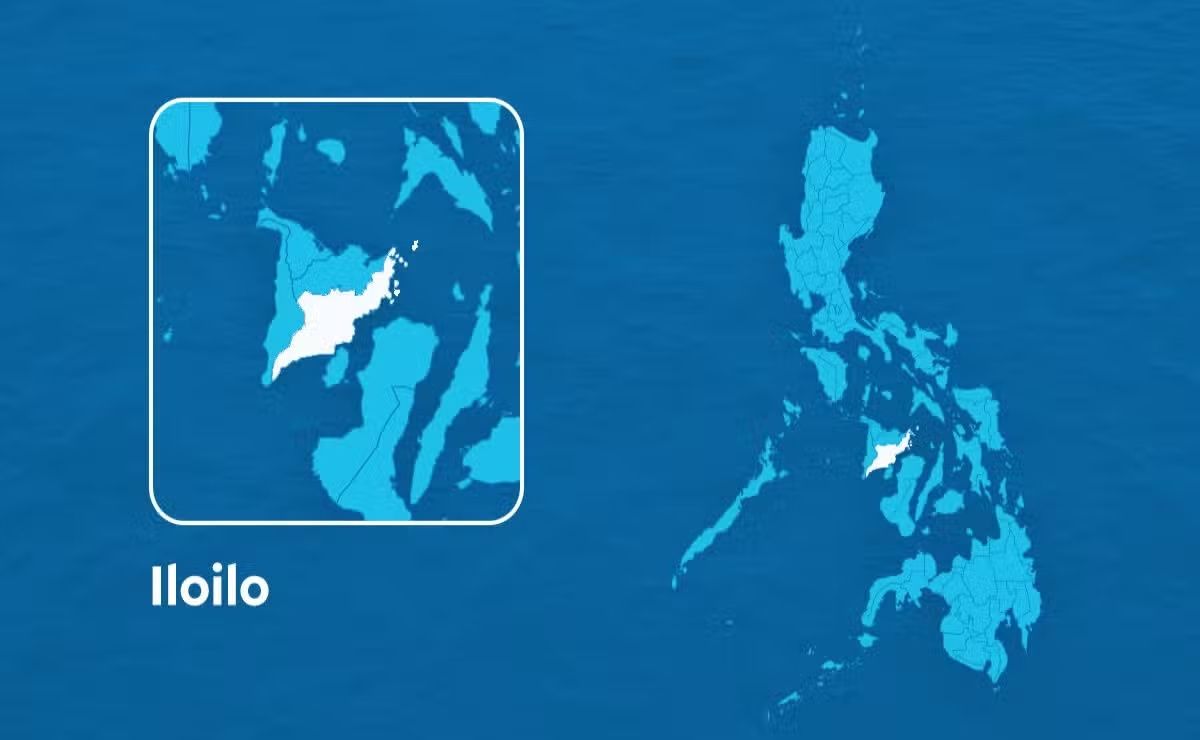
An Iloilo-based businessman has surfaced on the Federal Bureau of Investigation's roster of most sought fugitives, prompting his family to break silence on his whereabouts and medical circumstances. Rey Grabato II, whose name was added to the FBI's Most Wanted Fraudsters list on August 13, is currently in Iloilo province, according to confirmation from his father, town Mayor Rey Grabato, who disclosed the information on Friday without elaborating further on the situation.
The FBI's designation carries serious accusations. Grabato faces charges encompassing conspiracy to commit securities fraud, direct engagement in securities fraud, conspiracy to execute wire fraud, wire fraud itself, and conspiracy to defraud the United States regarding tax matters. These charges represent a significant escalation in a case that has attracted international attention and raises questions about cross-border financial crime enforcement in the region.
The family's public response came through Christopher Rey Grabato, the accused's youngest brother, who issued a carefully worded statement via Facebook on Friday evening. In his message, Christopher Rey emphasised that neither Rey Grabato II nor any authorised family representatives have received formal notice or summons from either Philippine or American authorities. This clarification appears designed to counter speculation about imminent legal action and to establish that the family has not yet been engaged in formal proceedings by either jurisdiction.
Central to the family's defence is the medical condition afflicting the accused. Christopher Rey disclosed that his elder brother suffered a severe stroke with debilitating consequences. The statement described Rey II as currently experiencing partial paralysis alongside significant impairment in mobility, communication, and cognitive function. The family's assertion that their immediate focus remains his medical treatment and rehabilitation attempts to frame the situation as one of humanitarian concern rather than evasion.
The financial allegations stem from activities connected to the National Realty Investment Advisors, commonly referred to as NRIA, an entity at the heart of the federal investigation. Christopher Rey's statement referenced reporting by Barron's, the respected financial publication owned by Dow Jones & Company, which cited federal prosecutors in characterising Grabato's leadership position at NRIA as merely "titular" in nature. This distinction carries legal weight, as it suggests Grabato held a formal title without substantive operational control or decision-making authority.
The family's legal strategy appears to emphasise Grabato's limited operational role at NRIA, pointing instead to Thomas Nicholas Salzano as the figure who genuinely directed the organisation's governance and operations. Salzano has already been apprehended by federal authorities, according to the family's statement, which may indicate that prosecutors have already secured cooperation or testimony from this central figure. The implication is that Grabato's involvement was peripheral to the scheme's core operations.
The emergence of this case illustrates the complex challenges facing law enforcement across international boundaries, particularly when financial crimes involve multiple jurisdictions. The Philippines, despite not being a traditional hub for such sophisticated financial schemes, has become home to several high-profile figures sought by American authorities. The case also highlights the evolving methods by which fugitives attempt to manage their legal exposure, including deploying family statements to shape public and legal narratives.
For Malaysian and Southeast Asian observers, this case carries relevance beyond its immediate circumstances. Financial fraud schemes operating across the region often exploit regulatory gaps and the relative ease of movement between countries. The presence of a major FBI fugitive in the Philippines underscores that Southeast Asia remains accessible to individuals attempting to evade American justice, despite increasing international law enforcement cooperation. This reality has implications for the region's financial stability and its reputation in attracting legitimate investment.
The family's plea for restraint and public understanding suggests awareness of potential vigilante action or premature public judgment. By positioning Grabato as a stroke victim undergoing medical rehabilitation, the statement attempts to humanise the accused while simultaneously arguing that his current incapacity makes him an unsuitable target for immediate apprehension. However, this approach may prove insufficient to persuade either American prosecutors or Philippine authorities that the case should be postponed pending medical recovery.
The timeline of events remains unclear regarding when Grabato relocated to the Philippines, whether before or after the FBI's formal announcement, and whether the stroke occurred before or after arriving. These details will likely become crucial in determining whether the family can argue he lacks the capacity to stand trial or whether authorities will pursue extradition regardless. The family's statement that they will address the matter in proper legal forums suggests they anticipate formal engagement with the Philippine justice system and potentially international extradition procedures.
The case also raises questions about the effectiveness of the FBI's Most Wanted strategy in an age of modern communication and international mobility. Naming Grabato publicly may have accelerated family efforts to secure medical care and craft a legal defence, but it equally signals to Philippine authorities that the United States considers him a priority target. The family's circumspection about further details may reflect legal counsel advising against additional public statements that could be used against them in future proceedings.
As this situation develops, it will test the bilateral extradition treaty between the United States and the Philippines, as well as the country's commitment to cooperating with American law enforcement on white-collar crime. The medical circumstances surrounding Grabato present a genuine legal complexity that courts on both sides will need to navigate, balancing humanitarian considerations against the serious nature of the allegations and the victim's rights to pursue justice through proper channels.

