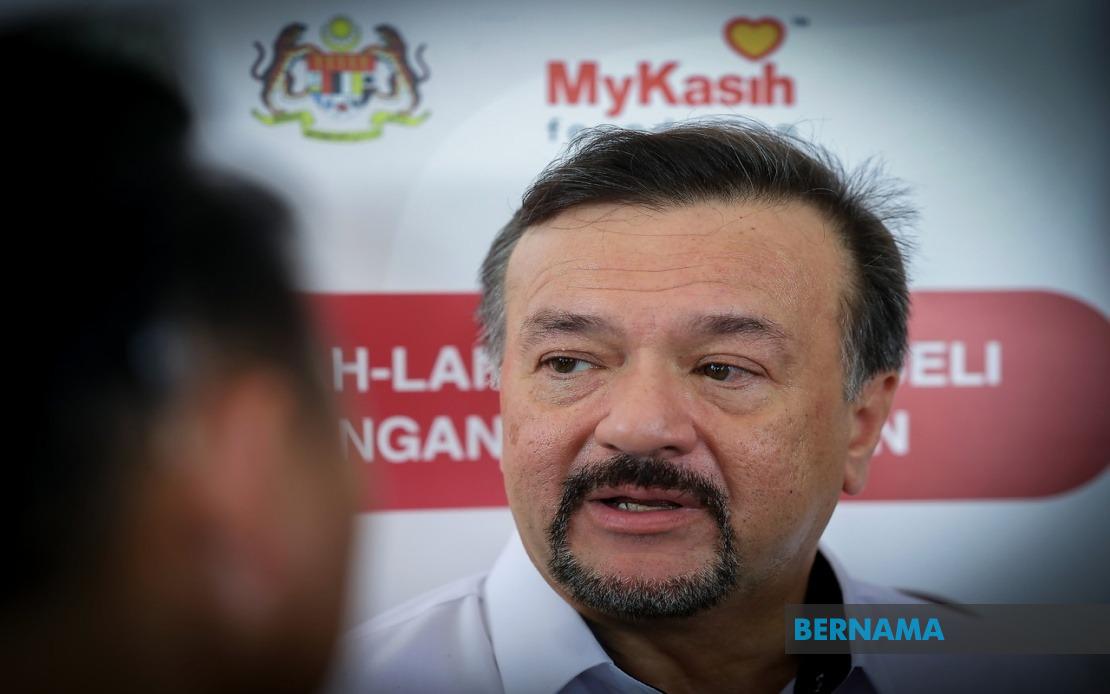
The Malaysian government has signalled flexibility in managing the BUDI MADANI Diesel subsidy programme, with the Ministry of Finance prepared to consider refinements as operational experience accumulates. Finance Minister II Datuk Seri Amir Hamzah Azizan outlined this adaptive approach during a media briefing in Kuching, emphasising that policy adjustments would be grounded in concrete usage information rather than speculation or theoretical projections. This pragmatic stance reflects the government's learning from previous targeted subsidy initiatives, where initial parameters sometimes required recalibration once real-world uptake patterns became evident.
In explaining the ministry's philosophy, Amir Hamzah drew parallels to the earlier implementation of the RON95 petrol subsidy scheme, which faced early criticism regarding quota sufficiency. He revealed that when data from the initial five months of 2024 were analysed, only 0.76 per cent of programme participants exceeded the 200-litre monthly threshold. This figure undermines arguments that the existing allocation structure was fundamentally constraining consumers, suggesting instead that most users operated well within established limits. The Finance Minister indicated that such evidence-based findings would guide any future decisions about quota expansion or other structural modifications to the diesel programme.
The BUDI MADANI Diesel initiative represents a shift towards more targeted energy subsidies, departing from the blanket fuel price controls that characterised earlier policy regimes. For Malaysian consumers and small businesses reliant on diesel—including transport operators, agricultural enterprises, and small manufacturers—the programme's design carries significant implications. The quota system aims to balance fiscal sustainability with affordability, a delicate equilibrium that requires ongoing monitoring and adjustment. The government's stated openness to refinement signals that policymakers acknowledge this tension and will not remain rigidly attached to initial parameters if evidence suggests modification is warranted.
Amir Hamzah's reference to the e-hailing sector subsidy demonstrates the government's willingness to implement differentiated support mechanisms. That programme initially offered uniform quotas, but feedback about insufficient allocations for high-usage drivers prompted a review of consumption patterns. Subsequent data analysis revealed legitimate variation in driver fuel requirements, leading to the introduction of dual quota tiers at 600 and 800 litres monthly. This two-tier structure accommodates heterogeneous operational patterns while maintaining programme integrity and fiscal discipline. The same analytical approach is now being applied to the diesel subsidy, suggesting that if comparable variation in usage emerges among diesel users, comparable adjustments may follow.
The distinction between reactive policymaking and evidence-based adjustment is crucial for understanding the government's position. Rather than responding to anecdotal complaints or political pressure, the Finance Ministry is adopting a wait-and-see approach anchored in comprehensive data collection. This methodology reduces the risk of hasty decisions that might create unintended consequences or undermine the programme's longer-term credibility. For Malaysian stakeholders—from fuel retailers to industrial users to transport companies—this commitment to data-driven governance offers some reassurance that their concerns will be heard and evaluated objectively, contingent on supporting documentation.
The presence of Works Minister Datuk Seri Alexander Nanta Linggi at the briefing underscores the cross-sectoral relevance of fuel subsidy policy. Infrastructure development, maintenance, and transportation services all depend on affordable diesel availability. The government's careful management of the programme reflects awareness that energy costs permeate economic activity across multiple sectors. By maintaining fiscal control while remaining responsive to documented needs, policymakers seek to balance macroeconomic stability with microeconomic viability for businesses and consumers facing rising operational costs.
Southeast Asia's experience with targeted subsidies offers pertinent context. Several regional economies have transitioned from universal fuel subsidies toward more precisely calibrated support mechanisms, seeking to protect vulnerable populations and essential sectors without sustaining unsustainable fiscal burdens. Malaysia's gradual implementation and data-driven monitoring aligns with international best practice in subsidy reform. However, success depends on transparent communication with affected constituencies and demonstrated willingness to act on findings—commitments that the Finance Ministry's recent statements appear to endorse, though long-term credibility will depend on actual implementation.
For Malaysian businesses operating in price-sensitive sectors, the BUDI Diesel programme's stability and predictability matter as much as its generosity. Companies investing in fleet expansion or equipment decisions need reasonable confidence that fuel cost structures will remain comprehensible and relatively stable. The government's emphasis on ongoing review based on actual data can be interpreted either reassuringly—as commitment to rational management—or with some ambiguity regarding long-term parameters. This ambiguity creates both opportunity and risk: opportunity for responsive adjustment if circumstances warrant, but potential uncertainty for commercial planning if adjustments prove frequent or substantial.
The early data suggesting modest quota utilisation may reflect several possibilities beyond programme adequacy. Consumer behaviour often adjusts gradually to new policy environments, with initial uptake potentially underrepresenting long-term demand. Conversely, the figures might genuinely indicate that existing allocations satisfy prevailing needs. Additional months of implementation data will illuminate which interpretation is more accurate. The Finance Ministry's willingness to await this accumulation of evidence demonstrates confidence in the programme's design, though it also implies that any necessary adjustments may still lie several months ahead.
Looking forward, the government's commitment to evidence-based refinement suggests that the BUDI MADANI Diesel programme will evolve based on documented experience rather than remain static or subject to sudden reversals. This measured approach contrasts with more volatile policy environments and may contribute to the programme's sustainability. However, it also requires that the ministry maintain robust data collection systems, ensure transparent reporting, and establish clear decision-making thresholds that would trigger quota adjustments or other modifications. For Malaysian stakeholders monitoring this initiative, the next few months of reported usage data will prove pivotal in determining whether the current framework adequately serves its intended purpose or requires recalibration.

