The Malaysian Meteorological Department has issued a broadly optimistic weather outlook for Negeri Sembilan ahead of tomorrow's nomination proceedings for the 16th state election, with morning conditions expected to remain predominantly fine across the majority of the state. Dr Mohd Hisham Mohd Anip, the department's director-general, indicated that morning sessions should proceed without significant meteorological disruption in the districts of Jelebu, Jempol, Kuala Pilah, Rembau and Tampin, though Port Dickson and Seremban face the prospect of rainfall during these crucial early hours when nomination activity reaches its peak.
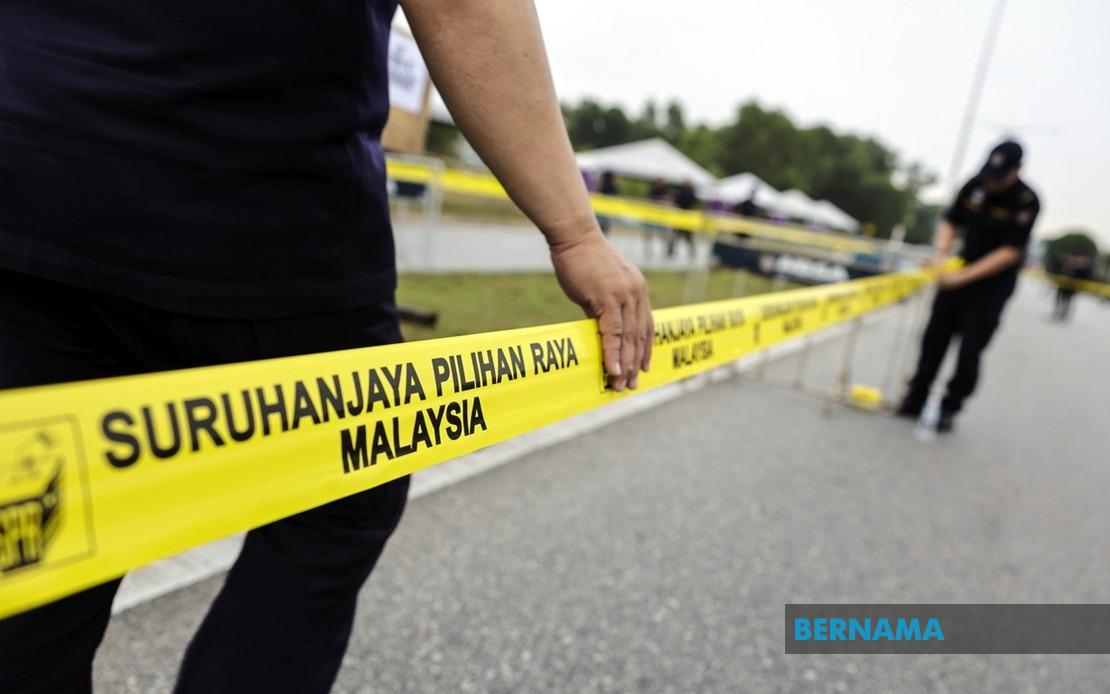
The meteorological assessment carries particular relevance for election administration, given that the nomination process operates within a tightly defined window between 9 am and 10 am at eight designated nomination centres across the state. Any substantial weather disruption during this narrow timeframe could complicate logistics for candidates, election officials and supporters gathering to formalise their participation in the electoral contest. The presence of adequate weather conditions in five of the state's main electoral districts substantially reduces such administrative risks for those areas.
Temperature patterns across Negeri Sembilan are expected to remain within typical tropical ranges, with the meteorological department forecasting minimum temperatures between 23 and 24 degrees Celsius and maximum readings of 32 to 33 degrees Celsius. These moderate thermal conditions should prove comfortable for the substantial crowds anticipated to congregate at nomination centres and throughout the day's political activities, presenting no particular hardship for candidates, their campaign teams or election workers who will be stationed at various locations conducting official proceedings.
The afternoon outlook presents a more complicated meteorological picture, with the MetMalaysia assessment indicating that thunderstorm development represents a significant possibility across most districts as the day progresses. Such atmospheric development typically follows the diurnal heating cycle characteristic of tropical climate zones and poses potential disruptions to campaign activities scheduled beyond the morning nomination window. However, the department's technical analysis suggests that rainfall intensity should remain relatively modest, with precipitation expected to arrive as brief, passing showers rather than sustained periods of heavy downpour.
The temporary and limited nature of anticipated afternoon precipitation carries implications for campaign scheduling and public engagement activities planned to follow the formal nomination period. Political parties and candidates have traditionally scheduled rallies, public addresses and grassroots campaigning for afternoon and evening hours, when larger crowds typically gather. The forecast suggests that while weather monitoring will remain prudent, the anticipated rainfall patterns should not substantially curtail such planned activities or necessitate major adjustments to campaign logistics.
Dr Mohd Hisham's advisory to all stakeholders—including candidates, their supporters and election commission personnel—recommends maintaining current awareness of meteorological developments through the MetMalaysia website and official channels. This guidance reflects standard operational practice during major public events where weather fluctuations could influence crowd management or administrative procedures. The department's proactive communication approach enables election participants to make informed decisions regarding scheduling, logistics and participant safety throughout the nomination day and subsequent campaign period.
The Negeri Sembilan state election landscape reflects a complex multi-party competition across the 36-seat assembly. Pakatan Harapan is contesting all 36 seats through an alliance distributing 16 to PKR, 11 to DAP and nine to Amanah, positioning the coalition for comprehensive electoral engagement. Barisan Nasional's strategy involves contesting 25 seats through UMNO's 16 candidates, MCA's seven and MIC's two positions, representing a more selective regional approach than its opposition counterpart.
Perikatan Nasional's participation spans 11 seats across multiple party formations, with PAS fielding five candidates, Wawasan four, and Gerakan and MIPP each contributing one representative. This configuration demonstrates the multi-party fragmentation increasingly characteristic of contemporary Malaysian electoral contests, where coalition arrangements and strategic seat allocations shape competition across state elections. Beyond the three major coalitions, smaller parties including ASLI, PSM and Berjasa have each registered single-candidate participation, adding further complexity to tomorrow's nomination proceedings.
Bersatu's candidate announcement, scheduled for later today, will provide the final missing component of the pre-election picture. The timing of Bersatu's nomination strategy relative to its coalition positioning within the broader political landscape remains a matter of continued analysis for observers tracking realignments within the Malaysian political ecosystem. The party's seat allocation decisions may signal broader strategic recalibrations relevant to both Negeri Sembilan and national political trajectories.
The 889,490 registered voters in Negeri Sembilan comprise 867,151 ordinary voters alongside 16,884 military personnel and their spouses, and 5,455 police personnel eligible for early voting procedures. The Election Commission has established July 28 as the designated early voting day, with the general polling date fixed for August 1. The state assembly's dissolution on June 5 initiated this electoral calendar, providing political contestants and voters with a defined timeline for campaign activities and electoral engagement.
This nomination day occurs within a period of significant Malaysian electoral activity and ongoing political realignments. The weather forecast's reassuring tone regarding administrative conditions stands in contrast to the complex political environment within which these nomination proceedings unfold. For Malaysian observers and Southeast Asian analysts monitoring regional electoral trends, Negeri Sembilan's 16th state election represents a significant test of coalition durability, voter sentiment regarding governance performance and the electoral sustainability of contemporary political arrangements across Malaysia's federal system.

