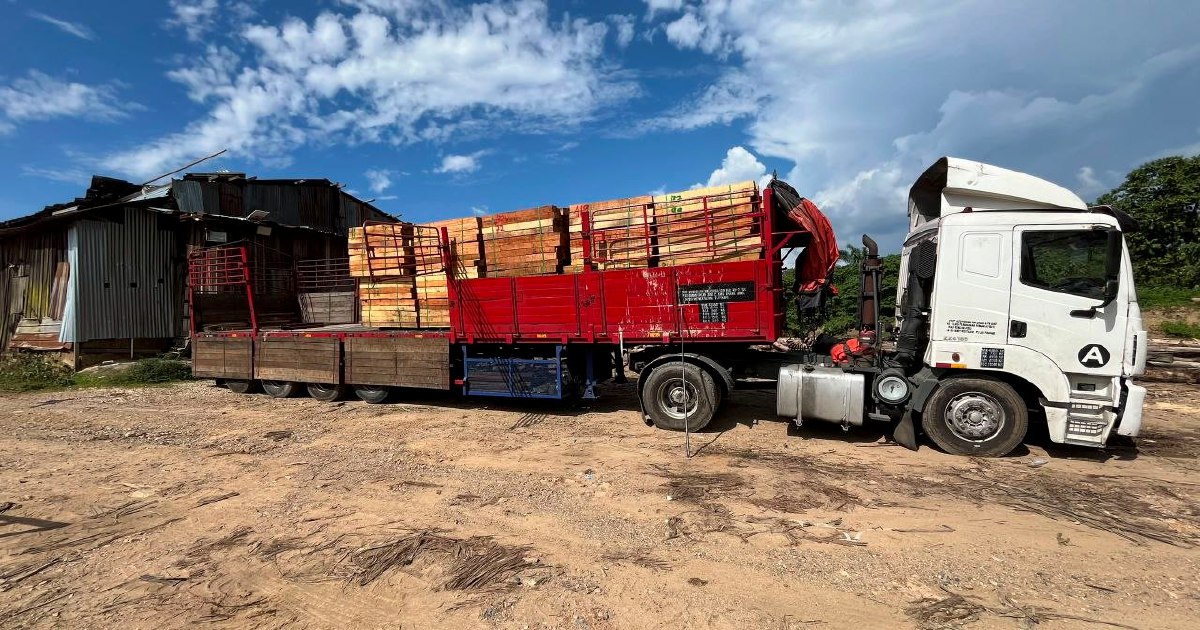
Enforcement authorities have dismantled a large-scale illegal timber processing operation in the Kuala Krai district of Kelantan, resulting in the arrest of five individuals and the confiscation of assets exceeding RM2.32 million. The factory complex, located in the Sungai Embak area, was conducting unauthorised processing of timber when enforcement teams moved in yesterday, discovering extensive machinery and stockpiles of processed wood products that had not been lawfully obtained.
The bust represents a notable success in Malaysia's ongoing struggle against unlawful logging and timber trafficking, which has long plagued the country's forestry sector. Authorities have intensified operations targeting illegal processing facilities in recent years, recognising that dismantling downstream operations is critical to disrupting the entire supply chain of illegally harvested timber. The scale of assets seized suggests this was not a small-scale operation but rather an organised venture with significant infrastructure and production capacity.
Kelantan has become a focal point in the national battle against timber-related crimes, given its extensive forest reserves and remote terrain that can shelter illicit activities. The state's geography and the prevalence of dense vegetation have historically provided both opportunity and concealment for smuggling networks. Recent enforcement successes in the state indicate that heightened vigilance and improved intelligence-sharing between agencies are beginning to yield tangible results in catching perpetrators and disrupting their operations.
The machinery and equipment recovered from the site will undergo assessment to determine its legal status and origin. Equipment used in timber processing operations can indicate the sophistication and scale of the criminal enterprise; industrial-grade machinery suggests this facility was engaged in high-volume production rather than small-scale cutting. Such operations typically feed into broader supply chains that may extend beyond Malaysia's borders, with processed timber often destined for export through regional ports and networks.
Illegal logging remains one of Southeast Asia's most persistent environmental and economic challenges, with Malaysia particularly affected by cross-border smuggling and organised trafficking rings. The timber stolen through illegal operations represents not only lost revenue for the state and federal governments but also accelerated deforestation and ecosystem degradation. Forests in Peninsular Malaysia continue to face pressure from various threats, and unauthorised harvesting undermines both conservation efforts and the long-term sustainability of the timber industry.
The arrests signal intensified coordination among Malaysian enforcement agencies tasked with combating forest crimes. The federal and state forestry departments, police, and customs authorities have increasingly pooled resources and intelligence to track down illegal processing hubs, which are often easier to locate and verify than dispersed logging operations deep in forested areas. This approach of targeting the factories and mills where stolen timber is processed has proven effective in disrupting criminal networks that depend on converting raw logs into sellable products.
The value of seized assets—RM2.32 million—underscores the lucrative nature of the illegal timber trade and the financial incentives driving criminal participation. Processors can charge substantial premiums for rapid, unauthorised processing that bypasses regulatory oversight and taxation. Downstream buyers often accept illegally sourced timber at discounted prices, effectively incentivising the entire criminal chain from poachers to processors to smugglers.
Governments across Southeast Asia have acknowledged that combating timber trafficking requires sustained investment in enforcement personnel, surveillance technology, and inter-agency communication systems. Malaysia has progressively upgraded its detection capabilities, though resource constraints continue to challenge enforcement efforts. The success of yesterday's operation demonstrates that focused investigations and coordinated raids can yield significant disruption even as criminal networks continuously adapt their methods.
The five detained individuals now face potential charges under forest and customs legislation, with sentencing guidelines providing substantial penalties for involvement in large-scale illegal timber operations. Prosecutions serve a dual purpose: removing active participants from the criminal network while also attempting to deter others considering entry into the trade. However, enforcement officials acknowledge that penalties alone cannot eliminate demand or disrupt supply chains without sustained operational pressure.
Industry observers note that the visibility of such raids has important downstream effects on legitimate timber traders and exporters, who face increased scrutiny and compliance requirements to demonstrate that their products originate from legal sources. The proliferation of illegal timber creates unfair market competition and damages the reputation of Malaysia's forest products sector internationally, making enforcement operations vital not only for environmental protection but also for industry integrity.
Beyond the immediate arrests and seizures, the operation highlights gaps in timber supply chain monitoring and the continued vulnerability of Malaysia's forests to organised criminal activity. Experts argue that addressing the problem comprehensively requires strengthening certification systems, improving traceability of harvested logs from forest to end-user, and addressing corruption that may enable illegal operations to flourish. The Kuala Krai bust, while encouraging, underscores that ongoing vigilance remains essential.

