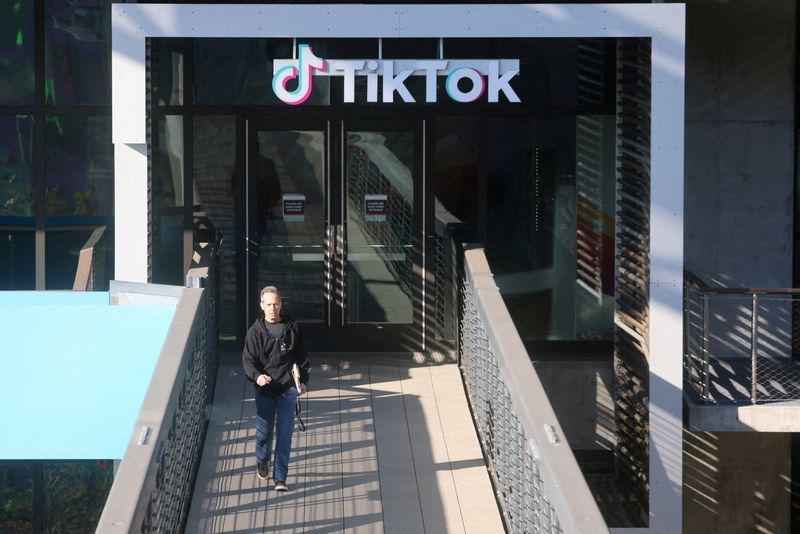
Florida's attorney general launched a legal challenge against TikTok on Monday, accusing the video-sharing platform of breaching state legislation that prohibits social media companies from permitting children under 14 to establish accounts. Republican James Uthmeier filed the action in St. Lucie County state court, arguing that TikTok has knowingly allowed underage access while downplaying the volume of violent and sexual material that young users encounter.
Uthmeier stated that the company deliberately misleads parents and prioritizes financial gain over child protection. The filing seeks a court directive requiring TikTok, owned by ByteDance, to modify its operations to comply with Florida regulations, alongside financial compensation for damages caused.
TikTok's response emphasised its cooperation with state officials and efforts to suspend accounts of Florida users below age 14. A company representative indicated the platform continues implementing updates across the state to align with legislative requirements and expressed readiness to defend its youth safety practices during legal proceedings.
The action fits within a broader pattern of enforcement against TikTok. More than 25 state attorneys general have filed separate claims accusing the platform of designing features that create dependency in younger demographics, contributing to mental health deterioration. Most complaints rely on state consumer protection statutes rather than child-specific legislation.
H.B. 3, the law underlying Florida's case, prohibits accounts for users under 14 and mandates parental approval for those aged 14 to 16. The statute became effective in January 2025. Florida also pursued Snap in 2025 with comparable allegations, characterising the Snapchat owner's conduct as particularly serious given its marketing to 13-year-olds despite enabling access to pornography and drug transactions.
A federal judge previously declared the legislation unconstitutional, though that decision has been temporarily suspended, permitting enforcement while Florida contests the ruling before an appeals court. The Snap case remains pending as the company challenges the law's compatibility with First Amendment protections.