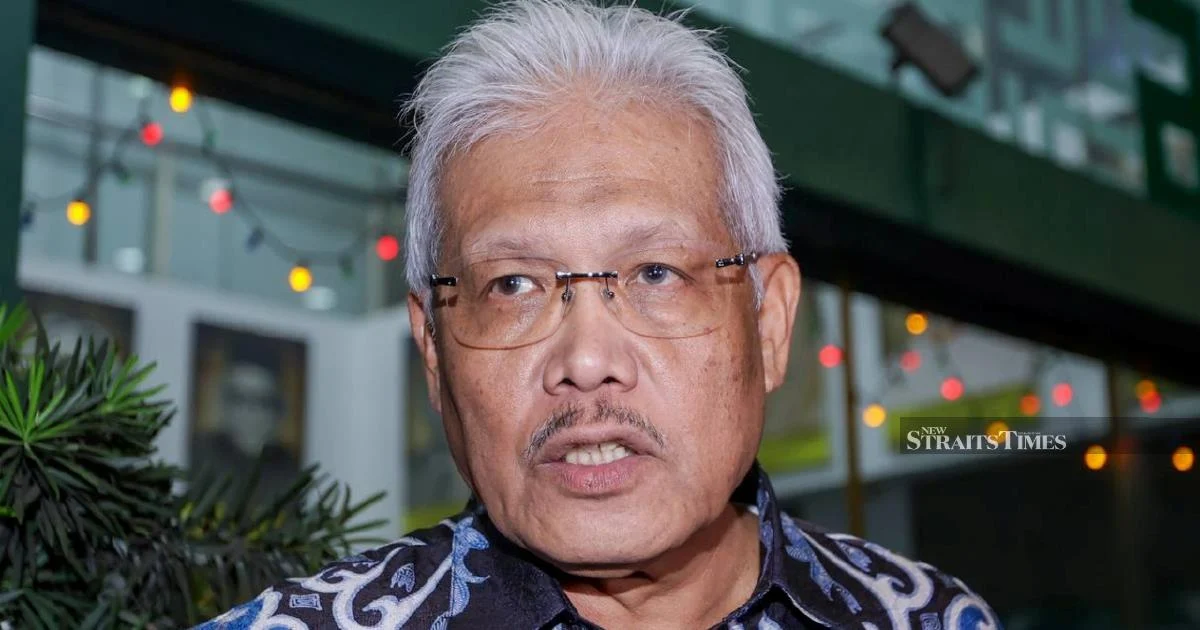
The opposition will lodge an official notice with the Dewan Rakyat Speaker confirming Datuk Seri Hamzah Zainudin's designation as opposition leader before parliament reconvenes for its next sitting in Kota Baru. This administrative step formalizes a significant development in Malaysia's political landscape, establishing clear parliamentary representation for the opposition bloc and ensuring the Speaker's office maintains accurate institutional records of leadership appointments across all parliamentary groupings.
The timing of this notification reflects established parliamentary protocol whereby changes in opposition leadership must be formally documented before the legislative body conducts its proceedings. By submitting the notice ahead of the upcoming session, the opposition ensures that Hamzah's position is officially recognized in all parliamentary records, correspondence, and procedural matters. This formalization carries practical importance for parliamentary operations, affecting everything from seating arrangements to speaking rights and committee assignments within the Dewan Rakyat's structured framework.
Hamzah's appointment as opposition leader represents a consolidation of anti-government sentiment across multiple political parties that have coalesced into an opposition coalition. His acceptance of the role signals the coalition's ability to present a unified institutional face to the government and electorate, rather than operating as fragmented partisan entities. For Malaysian governance, this development means the Speaker will oversee a clearly defined opposition structure with recognized leadership, facilitating more orderly parliamentary debate and ensuring government accountability mechanisms function through established channels rather than ad-hoc arrangements.
The formal notification process underscores how Malaysia's parliamentary system requires procedural adherence even during periods of political realignment. The Speaker's office must maintain accurate information about opposition leadership to ensure that parliamentary privileges, parliamentary questions, and legislative initiatives originate from officially recognized authority figures within the opposition. This bureaucratic formality prevents ambiguity about which opposition member can claim certain parliamentary rights or obligations associated with the leadership position.
For Malaysian readers following domestic politics, understanding this procedural step illuminates how institutional frameworks shape political competition. Unlike some democracies where opposition leaders emerge through media recognition or grassroots support alone, Malaysia's system requires formal notification and parliamentary recognition. This mechanism reflects the Westminster parliamentary tradition that Malaysia inherited, where institutional legitimacy flows through official channels and documented processes rather than informal consensus.
The submission of this notice before the next sitting demonstrates the opposition's organizational readiness and commitment to working within established parliamentary norms. By completing administrative requirements proactively, the opposition signals its intention to engage constructively with parliamentary institutions while maintaining its role as government critic and alternative power center. This measured approach contrasts with any perception of political instability or institutional skepticism that might emerge if leadership transitions occurred without proper procedural observance.
Hamzah's positioning as opposition leader comes amid Malaysia's evolving political dynamics, where traditional party alignments have shifted substantially over recent years. His appointment represents a potentially significant moment for opposition unity, as consolidating leadership around a single recognized figure can strengthen the coalition's ability to coordinate legislative strategy, present coherent policy alternatives, and mount sustained challenges to government initiatives. The formal notification makes this leadership arrangement visible and binding under parliamentary rules, moving beyond informal understanding to official status.
For Southeast Asian observers monitoring Malaysian politics, this development reflects broader regional trends of political fluidity and realignment. Many Southeast Asian democracies experience periods where traditional ruling coalitions face strengthened opposition movements. Malaysia's handling of opposition leadership recognition through formal parliamentary procedure demonstrates how institutional structures can accommodate political change while maintaining continuity in governance processes. The notice requirement ensures that parliamentary machinery adapts to new realities without institutional disruption.
The Speaker's acknowledgment of the opposition leader designation carries implications for parliamentary question periods, parliamentary committees, and legislative negotiations. When the Dewan Rakyat resumes, Hamzah will possess recognized standing to direct opposition parliamentary activity, submit formal motions, and engage government ministers in structured debate. This institutional recognition translates to tangible parliamentary powers that can be deployed to scrutinize government decisions, table alternative legislation, and articulate opposition policy positions within the chamber.
Looking at the institutional timeline, submitting the notice before the next sitting ensures smooth parliamentary operations from the session's opening proceedings. Parliament's speaker can prepare necessary arrangements acknowledging Hamzah's new role, and parliamentary staff can update procedural documents and seating plans accordingly. This advance notification prevents the awkward situation where opposition leadership changes mid-session or remains unacknowledged during parliamentary business, which could generate procedural confusion or disputes about speaking rights and representation.
The opposition's adherence to formal notification procedures also reflects political maturity and institutional respect. Rather than assuming Hamzah's authority through media declarations alone, the coalition respects the Dewan Rakyat's role as the supreme legislative body whose procedures must be followed. This approach strengthens rather than weakens the opposition's position, as it demonstrates confidence in parliamentary institutions and commitment to political rules that govern competition between government and opposition forces.

