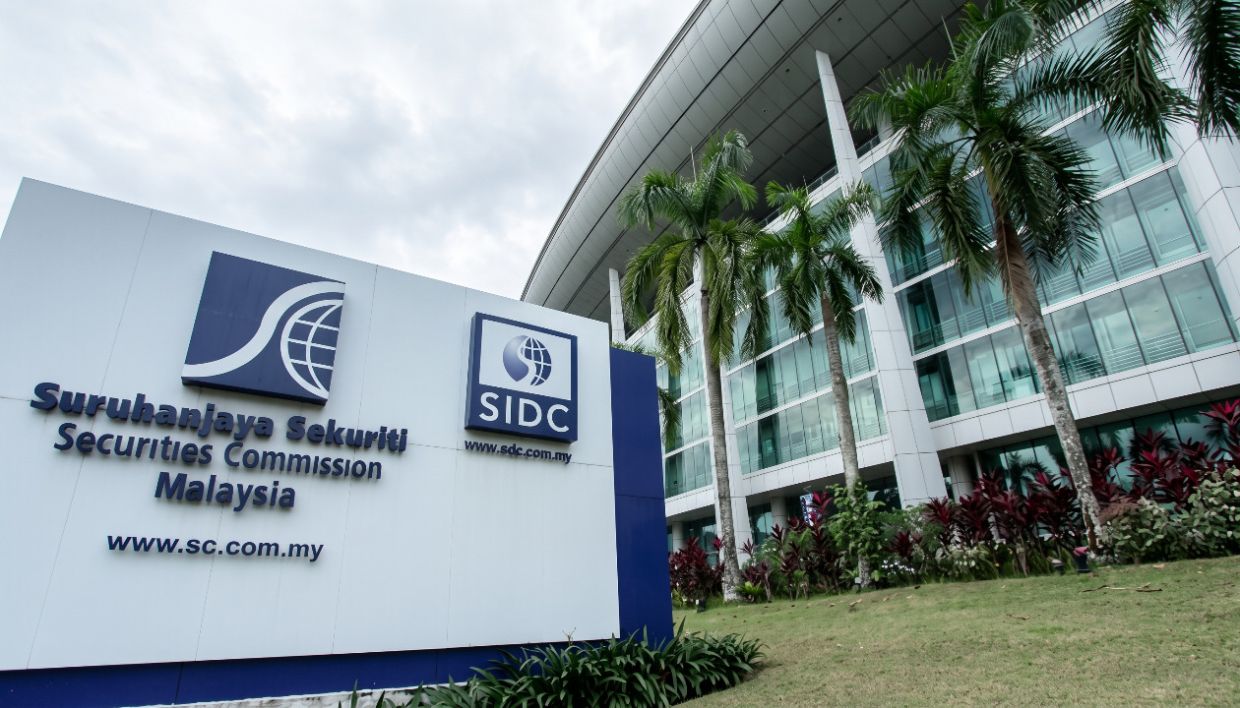
The Kuala Lumpur Sessions Court has handed down a three-year prison sentence to Mohd Arif Fadzlee Mohd Arifin, a former bank analyst, following his conviction on charges related to operating in the securities industry without proper authorisation from regulators. The conviction underscores the Securities Commission Malaysia's continued focus on rooting out unauthorised financial intermediaries who operate in the capital markets, a persistent challenge across Southeast Asia's financial services landscape.
Mohd Arif faced two distinct charges brought by the SC on January 23, 2024, both stemming from his actions in 2011 in Petaling Jaya and Nilai. The first charge alleged that he falsely represented himself as a representative of CIMB Wealth Advisors Berhad while engaging in securities dealing—a regulated activity under the Capital Markets and Services Act 2007—without holding a Capital Markets Services Representative's Licence from the SC. This violation of Section 59(1) of the CMSA strikes at the heart of financial regulation, as the licensing requirement exists to protect consumers from unqualified individuals making investment decisions on their behalf.
The second charge, brought under Section 362(3) of the CMSA, involved Mohd Arif's misuse of the Unit Trust Consultant title, a designation he was not entitled to hold. By claiming this credential, he created a false impression among potential clients that he possessed legitimate authority to manage their securities investments. The dual nature of his offences—combining both unlicensed activity and fraudulent credentialling—demonstrates a pattern of deception rather than a technical compliance oversight, a distinction that likely influenced the court's sentencing decision.
The prosecution presented a comprehensive case built on testimony from ten witnesses, including two individuals who had been affected by Mohd Arif's conduct. This level of evidence gathering reflects the resources the SC devotes to investigating and prosecuting financial crimes that directly harm retail investors. The court's examination of witness evidence proved decisive, with the Sessions Court finding on February 27, 2026, that the prosecution had successfully established a prima facie case—a significant procedural milestone that effectively shifted the burden to the defence to demonstrate reasonable doubt.
Mohd Arif's defence strategy ultimately proved unsuccessful despite his decision to testify under oath. Rather than calling supporting witnesses or experts to corroborate his account, he chose to rely solely on his own testimony to challenge the prosecution's narrative. The court found his defence insufficient to raise reasonable doubt about the prosecution's case, suggesting that his testimony either failed to convincingly counter the evidence presented or that his explanations lacked credibility with the bench.
The sentencing reflects the judiciary's seriousness regarding financial market regulation. The court imposed three years imprisonment for each charge, with both sentences to run concurrently, meaning Mohd Arif will serve three years rather than six. This decision, while substantial, sits below the maximum penalties available under the CMSA for such offences. Section 59(1) violations carry maximum sentences of five years imprisonment or fines up to RM5 million or both, while Section 362(3) offences can result in penalties up to RM1 million or five years imprisonment or both. The court's choice not to impose consecutive sentences or the maximum penalty suggests judicial consideration of mitigating factors, though these were not detailed in the judgment.
This case carries particular significance for Malaysia's financial services industry and regional market participants. Unlicensed securities activities undermine the integrity of capital markets by allowing unqualified operators to manage client funds and provide investment advice without proper oversight or insurance protections. Retail investors harmed by such operators often have limited recourse, as compensation schemes typically apply only to licensed intermediaries. The conviction demonstrates that Malaysian authorities possess both the legal tools and determination to prosecute perpetrators, providing some deterrent effect against similar misconduct.
For financial institutions like CIMB Wealth Advisors, whose name was invoked without authorisation in this case, such prosecutions highlight vulnerabilities in institutional reputations when individuals falsely claim affiliations. Banks and wealth management firms across the region must implement robust verification processes and regularly audit client-facing communications to prevent employees or former employees from misrepresenting institutional connections. The reputational damage from association with unlicensed activity, even tangential, can undermine client confidence and compliance records.
The broader regional context matters as well. Across Southeast Asia, regulators grapple with a persistent underground market of unlicensed financial intermediaries, particularly in areas involving unit trusts, forex trading, and cryptocurrency investments. Malaysia's demonstrated commitment to prosecution sends a message to both would-be offenders and to other ASEAN financial regulators about enforcement standards. As cross-border capital flows and digital investment platforms increase, the risk of unlicensed operators targeting regional investors grows correspondingly, making coordinated regulatory vigilance essential.
Looking forward, this case illustrates why the SC's licensing framework and enforcement capacity require sustained investment. The time lag between Mohd Arif's offences in 2011 and his sentencing in 2026 is notable—a fifteen-year delay that, while not uncommon in criminal proceedings, highlights the resource constraints regulators face. Enhanced investigation capacity and faster prosecution timelines could strengthen deterrent effects while protecting the market more promptly. Similarly, public awareness campaigns informing investors how to verify advisor credentials through SC registries could reduce the pool of potential victims vulnerable to similar schemes.
For Malaysian retail investors, the conviction offers reassurance that unauthorised securities operators face genuine legal consequences. However, it also serves as a reminder to verify the credentials of any financial advisor through official SC channels before entrusting them with investments. As Malaysia's capital markets continue to develop and attract retail participation, maintaining regulatory standards through consistent enforcement remains essential to building long-term investor confidence and market integrity.

