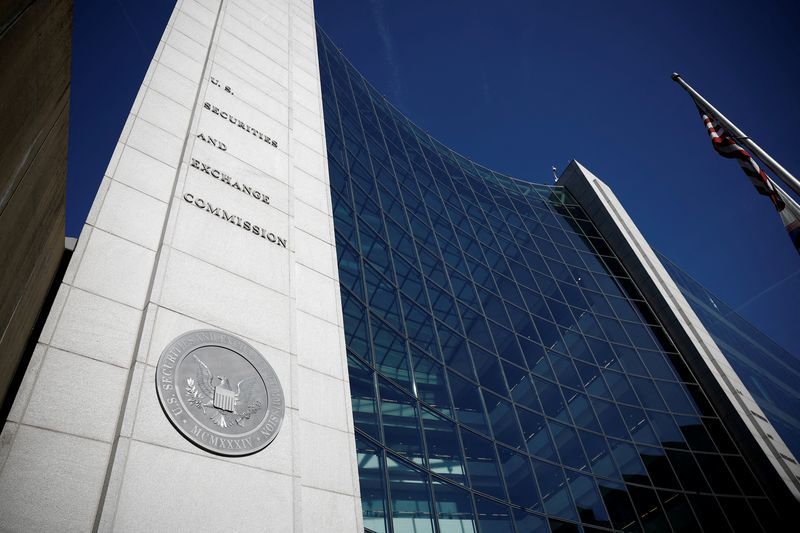
The U.S. Securities and Exchange Commission has filed civil charges against Jason Satsky, a 59-year-old former co-head of Americas power and renewable energy banking at Bank of America, alleging he violated securities laws by disclosing confidential information about a forthcoming corporate takeover. According to the regulator's complaint filed on Friday, Satsky shared non-public details concerning the pending acquisition of South Jersey Industries with his longtime friend Gavin Wolfe, enabling Wolfe to accumulate shares ahead of the public announcement and realise substantial illegal gains.
The alleged scheme centred on South Jersey Industries, an energy holding company where Bank of America served as an adviser on what would become an $8.1 billion acquisition announced in late February 2022. Satsky, in his banking role, possessed advance knowledge of the transaction. The SEC contends that in late 2021, before the deal became public, he tipped off Wolfe about the impending takeover, providing him with material non-public information that fundamentally altered the investment decision-making landscape. This breach of fiduciary duty allegedly gave Wolfe an unfair market advantage that individual investors and institutions trading without such insider knowledge could never have accessed.
Wolfe, now 55 years old, capitalised on the alleged tip by acquiring more than 2.2 million shares of South Jersey Industries' parent company, representing a total investment of approximately $53 million at prevailing market prices. When the acquisition was formally announced on February 24, 2022, the stock price surged, delivering Wolfe a gain of roughly 36 percent on his position, translating into approximately $18.5 million in illegal profits. The scale of these gains underscores how material the withheld information was to the valuation of the company and how profitable insider knowledge can be for those who possess it.
The relationship between Satsky and Wolfe spans more than two decades, and their communications during the relevant period allegedly occurred through multiple channels and settings. Most notably, the SEC points to a nationally televised college basketball matchup between Duke and Kentucky held at Madison Square Garden, where the two men and their respective wives attended together. Satsky had secured luxury box seating through his employer, Bank of America, and the SEC alleges that among the conversations held during this high-profile event were discussions about South Jersey Industries and its acquisition prospects. The casual, social setting of such an encounter highlights how insider trading schemes often unfold through personal relationships and informal communication rather than overt, recorded transactions.
Wolfe currently operates Evergreen Capital, an investment management firm that oversees family assets and investment vehicles. His prior experience in the financial sector included a senior banking role at Credit Suisse, where he specialised in power and renewable energy financing. Both he and Satsky moved to Bank of America in 2012, bringing their professional relationship and expertise to the institution. This shared history and continued proximity within the same employer created conditions that may have facilitated the alleged information transfer and enabled Wolfe to act on insider details with confidence born from their long-standing professional familiarity.
The SEC's enforcement action seeks multiple remedies against both defendants. The regulator aims to recover the illicit profits generated through Wolfe's trading activity, impose civil monetary penalties reflecting the severity of the violation, and secure officer-and-director bars that would prohibit Satsky and Wolfe from serving in leadership positions at publicly traded companies. Such bars represent particularly damaging consequences for individuals in the investment and banking sectors, effectively curtailing their ability to operate at senior levels within the financial industry.
Both defendants have vehemently rejected the allegations. Robert Anello, Satsky's legal counsel, issued a statement emphasising his client's innocence and asserting that evidence will vindicate Satsky's conduct. According to Anello, Satsky never conveyed material non-public information regarding South Jersey Industries to Wolfe or any other party, and that his actions were entirely proper and compliant with applicable securities regulations. Anello's statement suggests that the defence will challenge the SEC's characterisation of what information was disclosed and whether any information shared actually constituted material non-public data under securities law definitions.
Wolfe's defence team has similarly mounted a vigorous denial. Reed Brodsky, representing Wolfe, contends that his client categorically rejects all allegations and will mount a full courtroom defence. Critically, Brodsky argues that the SEC has overlooked sworn testimony and documentary evidence demonstrating that Wolfe's purchase of South Jersey shares originated from an independent investment thesis developed through his own analysis and research, rather than from confidential tips received from Satsky. This assertion, if proven, would undermine the SEC's core allegation that the trading activity flowed directly from the alleged information breach.
Bank of America itself has not been accused of any wrongdoing in connection with the matter, though the institution did terminate Satsky's employment in March 2025. A spokesperson confirmed that Satsky no longer works at the bank, effectively severing his career there. The fact that the bank moved to dismiss Satsky suggests internal confidence that his conduct violated company policies or represented a serious breach of trust, even as the institution itself avoids legal liability for his actions. Evergreen Capital, Wolfe's firm, has not yet publicly commented on the SEC's charges.
This enforcement action reflects broader regulatory scrutiny of insider trading schemes within Wall Street's power and energy banking sector, an area that has increasingly attracted SEC attention. Investment banks advising on major transactions in the energy and utilities space handle enormous quantities of sensitive information, and the temptation for bankers to monetise privileged knowledge through personal trading accounts or tips to associates remains a persistent compliance challenge. The case underscores how personal relationships among senior financial professionals can become vectors for securities law violations, particularly when individuals maintain contact across firms and sectors while possessing asymmetric information about major corporate events. The outcome will likely influence how institutions structure their information barriers and monitor communications among staff with access to confidential transaction details.

