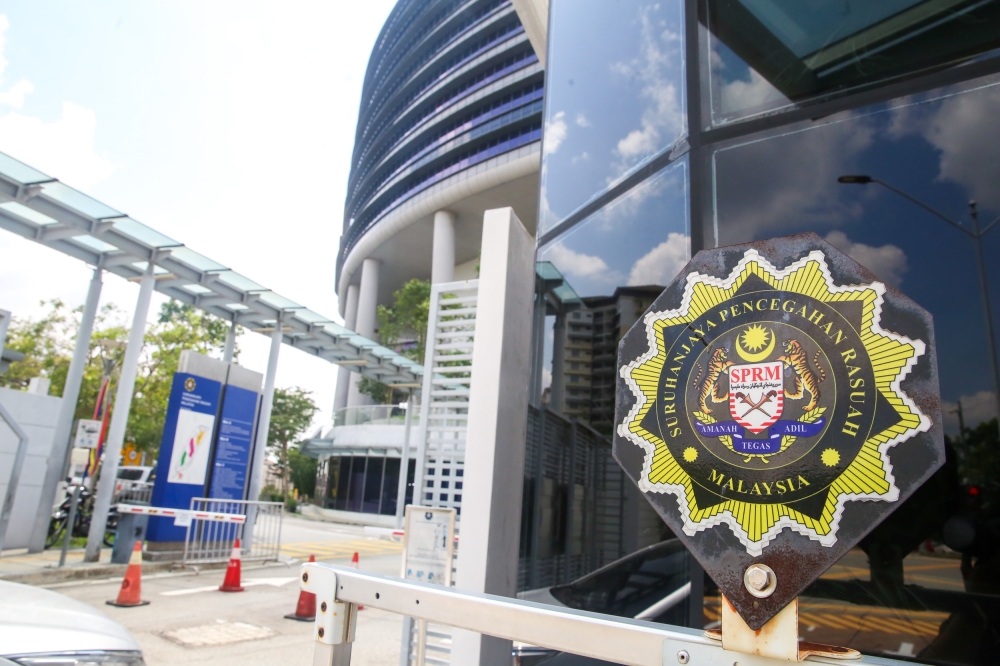
A former government employee remains in custody at the Kuala Lumpur Malaysian Anti-Corruption Commission (MACC) headquarters following allegations that he systematically manipulated the social safety net system to siphon nearly RM300,000 in assistance payments. The suspect, detained for a four-day remand period, faces accusations centring on the fraudulent use of personal identification details belonging to 11 different individuals, raising fresh concerns about vulnerability within Malaysia's welfare administration infrastructure.
The case underscores a troubling pattern of insider abuse within public agencies, where individuals with legitimate access to government systems exploit their positions for personal enrichment. Civil servants maintaining administrative authority over benefit distribution channels possess inherent capacity to circumvent normal verification processes, creating opportunities for large-scale fraud that might evade detection for extended periods. Investigators allege that the accused deliberately submitted documentation utilising the identities of 11 people without their knowledge or consent, systematically processing multiple claims through the assistance programme.
This particular investigation reflects broader challenges facing Malaysian authorities in protecting state resources allocated for vulnerable populations. The magnitude of the alleged theft—reaching RM300,000—demonstrates the scale of damage a single actor can inflict when internal controls prove inadequate. That the accused occupied a civil service position suggests he possessed sufficient technical knowledge and systemic access to navigate approval processes, a combination that compounds the severity of the breach.
The identity fraud dimension introduces additional complications for affected individuals and authorities alike. Each of the 11 people whose personal details were appropriated potentially faces administrative complications, including suspicious financial records, potential tax implications, and reputational damage. Malaysian authorities must now conduct individual outreach to notify victims, investigate whether other fraudulent claims exist under their names, and undertake remedial administrative corrections—a labour-intensive process straining investigative resources.
Welfare fraud perpetrated by insiders carries particular significance in Southeast Asian context, where public trust in government assistance programmes remains fragile. Citizens contemplating legitimate benefit applications may hesitate if confidence erodes that their personal information receives adequate protection within state systems. This reputational damage extends beyond immediate financial loss, potentially reducing programme utilisation among genuinely eligible populations who fear bureaucratic corruption.
The MACC's intervention indicates that anti-corruption authorities recognised sufficient prima facie evidence to secure remand authority from the courts. Malaysia's anti-corruption framework permits extended detention for serious financial crimes, reflecting legislative acknowledgment that such cases require thorough investigative groundwork. The four-day remand window provides investigators opportunity to secure statements, cross-reference financial records, establish communication patterns, and potentially identify collaborative participants if the scheme involved multiple actors.
Government procurement and assistance distribution systems represent recurring vulnerability points identified in previous anti-corruption campaigns across Malaysia. Unlike one-off transactions potentially easier to disguise, systematic aid payment schemes inherently generate documentary trails through banking systems, government records, and beneficiary databases. However, detecting fraud requires genuine inter-agency coordination between financial institutions, social welfare departments, and law enforcement—communication channels that historically operated in isolation.
The implications extend to civil service training and oversight mechanisms. How an individual serving in government employment could execute this scheme speaks to inadequate supervision structures, insufficient periodic audits of high-risk positions, and potentially ineffective whistleblower protections that might have flagged irregularities earlier. Departmental leadership bears responsibility for establishing control environments that discourage fraudulent behaviour through randomised checks, segregation of duties, and transparent approval hierarchies.
Froming a policy perspective, this case validates arguments for strengthening identification verification protocols within welfare administrations. Biometric authentication systems, digital signature requirements, and mandatory in-person verification processes could substantially reduce opportunities for identity-based fraud. Several neighbouring jurisdictions have implemented such technologies with measurable success, suggesting feasible pathways for Malaysian authorities to modernise disbursement infrastructure.
The investigation trajectory will likely determine whether charges extend beyond the remanded individual. Accomplices within banking sectors, telecommunications networks supplying SIM cards for recipient verification, or supervisory figures who facilitated system access could emerge as the probe deepens. Similarly, recipients unknowingly receiving payments under false identities may become subjects of separate investigation to determine complicity levels.
This episode arrives amid heightened scrutiny of government expenditure and resource stewardship across Malaysia. Public sector salary scales, pension entitlements, and employment benefits have become increasingly competitive, yet allegations of internal theft fundamentally undermine morale within honest ranks. Career civil servants maintain reputational stakes in demonstrating that government service demands and reflects ethical standards.
The accused's eventual judicial proceedings will constitute important precedent regarding sentencing frameworks for elaborate bureaucratic fraud schemes. Courts must calibrate penalties that acknowledge both the financial magnitude and the institutional trust violations involved, establishing deterrent messaging for other potential actors positioned within vulnerable administrative points. Severity of punishment signals whether governmental institutions take internal accountability seriously.
As authorities continue investigative work, Malaysian taxpayers await explanation regarding institutional failures that permitted this alleged scheme to develop. The case demands systematic responses extending beyond individual prosecution to encompass procedural reforms, technological upgrades, and supervisory restructuring throughout government assistance distribution mechanisms.

