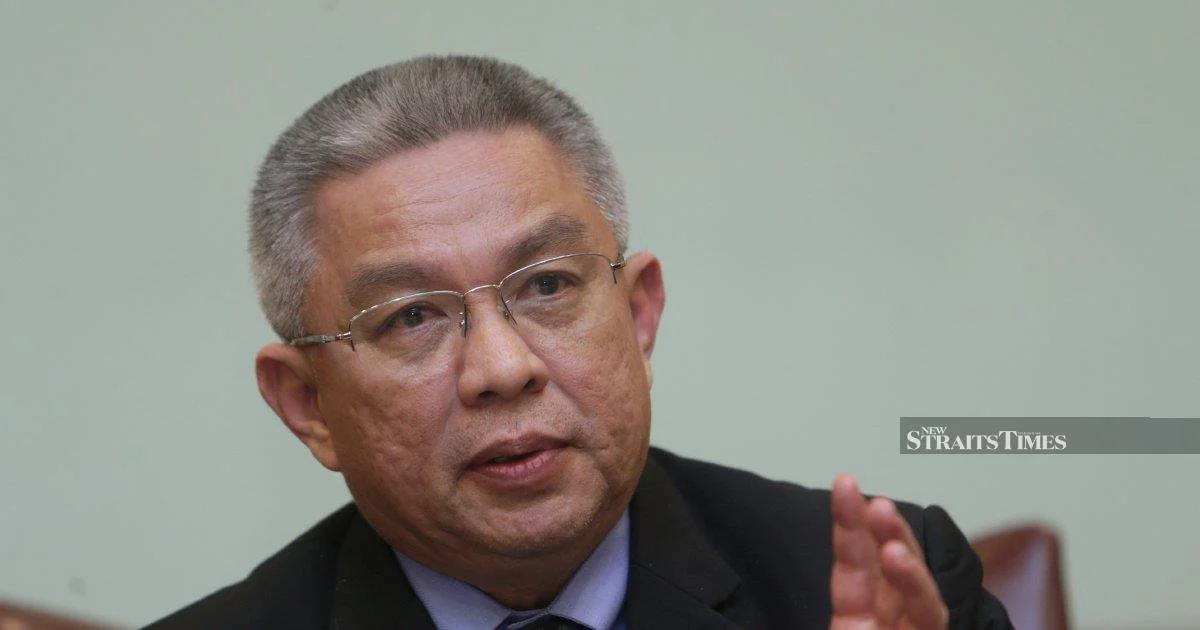
Barisan Nasional has confirmed its full slate of 56 candidates for the Johor state election, a move that represents the coalition's strategic push to reassert dominance in Malaysia's southern powerhouse. Among the notable figures stepping forward to contest is Datuk Seri Dr Adham Baba, who previously served as health minister, alongside Alwiyah Talib, the former representative of the Endau assembly seat. The announcement consolidates BN's positioning ahead of the crucial electoral contest in a state that has historically been central to the coalition's political fortunes.
Dr Adham Baba's inclusion in the candidate roster carries particular significance given his previous ministerial experience and profile within the federal government. His return to electoral politics in Johor reflects BN's intention to leverage established political figures with national recognition and administrative credentials. The former health minister's candidacy signals the coalition's confidence in fielding personalities who can appeal to voters on both state and national governance records, particularly in areas where federal health policy implementation has direct bearing on local constituencies.
Alwiyah Talib's presence among the candidates underscores BN's commitment to fielding candidates with existing assembly-level experience. Her previous tenure as Endau assemblyman provides the coalition with someone familiar with constituency-level politics and grassroots engagement. This combination of fresh faces and returning politicians reflects a deliberate strategy to balance continuity with renewal as BN seeks to recover electoral momentum in a state where political fortunes have shifted considerably in recent years.
Johor's electoral significance cannot be overstated within the Malaysian political context. As the largest Malay-majority state and historically a BN stronghold, any substantial shift in voting patterns reverberates across national politics. The state has served as a barometer for broader political sentiment, and BN's performance here often presages outcomes in other peninsular states. The announcement of this candidate slate therefore carries implications extending well beyond Johor's borders, particularly for coalition stability and positioning ahead of any potential federal electoral contest.
The timing of candidate announcements in Johor elections typically reflects calculations about political momentum and the readiness of party machinery. By presenting a full slate of 56 candidates, BN demonstrates organisational preparedness and confidence in contesting all available seats. This comprehensive approach contrasts with scenarios where coalitions field selective candidates, suggesting BN believes it has sufficient resources and popular support to mount a credible challenge across the state's electoral map.
The inclusion of figures from diverse political backgrounds within the BN framework—including those previously associated with other political vehicles—also illustrates the coalition's inclusive approach to candidate selection. Dr Adham Baba's previous association with Bersatu before rejoining BN circles exemplifies the fluid nature of Malaysian political alignments, where personal relationships, policy preferences, and organisational loyalty can shift as political circumstances evolve. His repositioning underscores broader realignments within Malaysia's complex political landscape.
For Malaysian voters and political observers, the Johor state election represents a critical moment to assess whether BN retains sufficient electoral appeal to govern Malaysia's largest southern state. The quality and profile of candidates fielded often correlates with a coalition's electoral prospects, as voters consider both individual candidate calibre and the broader party machinery backing them. The inclusion of experienced figures like Dr Adham Baba suggests BN is attempting to project competence and governance credentials alongside grassroots connectivity.
Regionally, Johor's election also holds significance for Southeast Asia's broader political dynamics. As a Malaysian state sharing direct borders with Singapore and serving as a crucial economic and tourism corridor, Johor's governance affects transnational commerce, immigration patterns, and regional stability. The election outcome will influence policy direction on cross-border issues, infrastructure development, and economic management in ways that resonate across the region.
The political dynamics within BN's candidate selection also reflect ongoing negotiations between the coalition's constituent parties. The balance between UMNO, MCA, MIC, and other allied parties in securing candidacies reveals internal coalition mathematics and relative influence distribution. These internal arrangements ultimately determine not just candidate rosters, but also post-election portfolio allocation and state government composition should BN prevail.
Looking ahead, the campaign period will test whether BN's candidate slate can effectively articulate a compelling vision for Johor's development and governance. Voter expectations regarding economic opportunity, public services, infrastructure investment, and social welfare provision will determine whether experience and administrative credentials translate into electoral support. The candidates' individual capacity to connect with constituencies on specific local issues will prove as important as their national or state-level profiles.
The announcement of Johor's BN candidates marks the beginning of an intensely competitive electoral period. As the state election draws closer, campaign dynamics will inevitably shift, local controversies will emerge, and voter sentiment may crystallise around specific issues or personalities. However, by fielding an experienced slate including former ministers and assembly veterans, BN has positioned itself to contest comprehensively for control of one of Malaysia's most politically consequential states.

