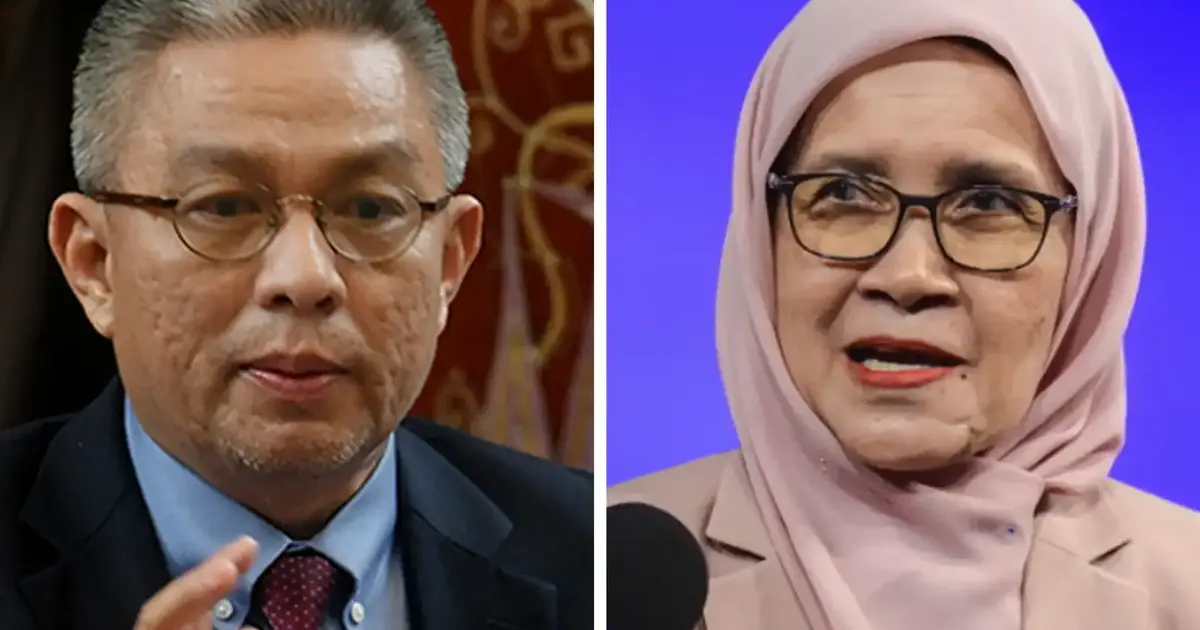
A prominent Umno politician with previous ministerial experience will stand in the upcoming Johor state election, signalling continued confidence within the ruling coalition's leadership structure. Onn Hafiz Ghazi, currently chairman of the Johor Barisan Nasional coalition, has confirmed his candidacy for the Machap constituency, where he seeks to retain his parliamentary representation.
The announcement reflects a strategic decision by Umno's upper echelon to field seasoned figures in critical state contests. Johor, as Malaysia's second-largest state and a traditional stronghold of the ruling coalition, remains crucial to Barisan Nasional's political fortunes. The participation of experienced politicians like Onn Hafiz underscores the importance placed on this electoral battleground and the coalition's determination to consolidate its position in the peninsula's southern region.
Onn Hafiz's career trajectory has spanned significant portfolios within the federal government. His previous tenure as health minister positioned him at the centre of policy decisions during critical periods, providing him with visible national prominence. This ministerial background typically translates into electoral advantages, as constituents often reward candidates with demonstrated experience in high office. His appointment as Johor BN chairman further elevates his status within the state's political hierarchy and marks him as a key figure in orchestrating the coalition's campaign strategy.
The Machap constituency itself carries considerable weight within Johor's electoral mathematics. Located within the state's broader political landscape, holding this seat would contribute meaningfully to the Barisan Nasional's overall tally. By positioning a figure of Onn Hafiz's stature to contest the seat, Umno appears to be signalling that the party views this territory as both winnable and strategically important for maintaining coalition dominance in the state.
For Malaysian voters tracking Johor's political developments, the appearance of former federal ministers at state level contests often indicates shifting priorities within ruling party structures. When senior figures choose to contest state elections rather than focus exclusively on federal politics, it typically suggests perceived weakness that must be addressed through direct intervention. Alternatively, it may reflect ambitions to control important state governments as potential launching pads for future federal advancement.
The timing of Onn Hafiz's entry into the Johor state electoral arena warrants consideration alongside broader regional political currents. Johor has witnessed intensified political competition in recent years, with opposition parties strengthening their organisational presence. The Barisan Nasional's deployment of experienced candidates represents a calculated response to maintain electoral momentum and prevent opposition inroads into what has historically been coalition territory.
Umno's decision to field Onn Hafiz as both a candidate and state-level coalition chairman suggests confidence in his capacity to navigate both electoral and administrative responsibilities. These dual roles require political acumen and organisational capability—he must simultaneously run his own campaign while coordinating broader Barisan Nasional efforts across Johor. This arrangement places considerable responsibility on his shoulders but also suggests party confidence in his abilities.
For Southeast Asian observers monitoring Malaysian political developments, Onn Hafiz's participation reflects broader patterns of established coalition parties leveraging experienced personnel to maintain electoral advantages. Across the region, coalition governments frequently redeploy federal-level figures to reinvigorate state-level campaigns when facing competitive challenges. Malaysia's federal structure, which grants significant autonomy to state governments, makes control of state assemblies particularly valuable for long-term political sustainability.
The health portfolio that Onn Hafiz previously managed remains highly visible in Malaysian public consciousness, particularly given recent pandemic-related healthcare debates. His ministerial experience in this crucial sector may resonate with constituents concerned about healthcare quality, accessibility, and policy direction. Medical and health professionals within Machap may view his track record in the health ministry as relevant to local governance considerations.
Johor's electoral dynamics have shifted noticeably over successive cycles. The state's urban growth, demographic changes, and evolving voter preferences have created both opportunities and vulnerabilities for the Barisan Nasional. Fielding candidates with national stature and proven administrative experience represents one strategy for addressing these challenges, though whether such measures prove sufficient ultimately depends on voter sentiment and opposition campaign effectiveness.
The selection of Onn Hafiz as Johor BN chairman indicates Umno's determination to project stable, experienced leadership heading into these state elections. The party appears to be emphasising continuity and administrative competence rather than attempting dramatic leadership changes. This conservative approach may appeal to voters valuing stability, though it could simultaneously struggle to energise those seeking fresh political directions or younger generational representation.
As Johor moves toward its state election, the involvement of figures like Onn Hafiz will help shape campaign narratives and electoral momentum. His candidacy in Machap adds another layer of complexity to state-level competition and provides tangible evidence of how Malaysia's federal political elite engage directly in state electoral contests. Whether this strategy succeeds in securing coalition victories will become apparent once balloting concludes and Johor's new political configuration crystallises.

