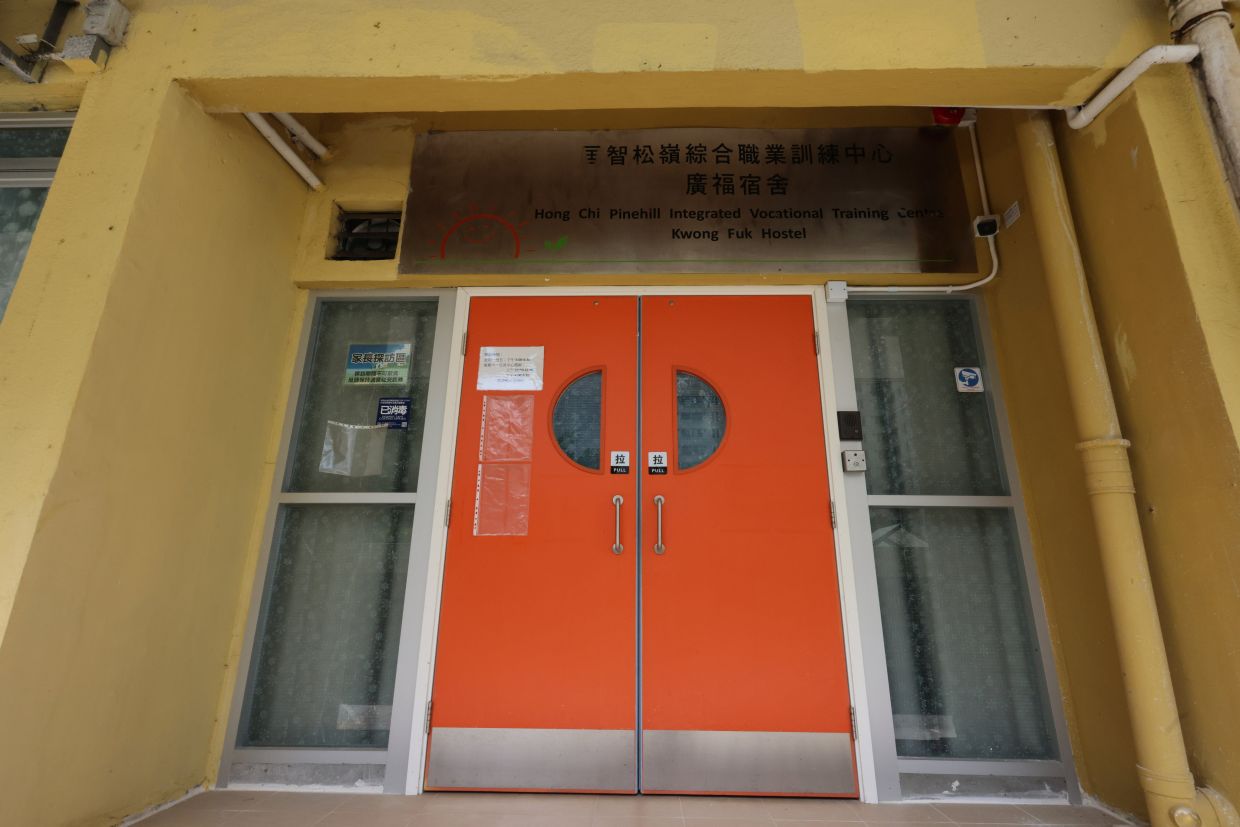
A man named Chung Pui-kei, who previously worked as an assistant warden at a residential facility for people with intellectual disabilities in Tai Po, Hong Kong, stands accused of repeatedly raping a female resident across five separate occasions during a two-month period in 2024. The charges underscore growing concerns about safeguarding vulnerabilities within care settings across Asia, where institutional protections for some of society's most vulnerable populations remain inconsistently applied.
The case unfolded at the High Court with Prosecutor Human Lam Hiu-man presenting evidence of the alleged assaults that occurred between July and August 2024 at a home operated by Chi Association, a non-governmental organisation providing support services. A jury composed of four men and two women has been empanelled, with Judge Douglas Yau Tak-hong overseeing proceedings in what has become a closely watched examination of institutional accountability and duty of care obligations.
According to prosecution arguments, the alleged victim, referred to as X in court documents, now 23 years old, possesses intellectual functioning equivalent to that of a child of nine years and ten months. This significant cognitive disparity formed the cornerstone of the prosecution's case regarding her vulnerability and inability to resist or meaningfully consent to any contact. The prosecutor characterised the defendant as having deliberately cultivated a relationship of trust, engaging the victim through seemingly innocent interactions including video games and small treats that would naturally appeal to someone with her developmental level.
Three of the five alleged incidents allegedly took place within a male staff rest area, while two reportedly occurred in the victim's own room. Prosecution evidence suggests the defendant employed deliberate strategies to isolate and control the victim, including locking doors to prevent escape or discovery. The prosecutor indicated that the victim had expressed discomfort through verbal objections or physical pain responses on certain occasions, yet refrained from more forceful resistance due to fear of punitive consequences she associated with Chung's authority figure status.
Critical forensic evidence forms part of the prosecution's case, with police investigators discovering condoms and related items stored in the defendant's locker within the male staff rest room. Additionally, officers recovered a bedsheet from the victim's room that tested positive for both the defendant's semen and the victim's DNA, providing biological corroboration of alleged physical contact between the two parties in that location.
The prosecution's case draws heavily on video-recorded police interviews conducted with the victim immediately following the disclosure of alleged incidents, supplemented by surveillance footage obtained during the investigation. These materials provide contemporaneous accounts from the victim herself, captured before extended time might affect memory or introduce additional complications regarding reliability. The prosecution presented psychiatric and psychological expertise to contextualise the victim's medical background and present cognitive condition, establishing her status as an individual unable to provide informed consent.
Psychiatrist Lydia Lam Yi-ngar from Tai Po Hospital and clinical psychologist Wong Yik-tung from the Social Welfare Department both provided expert testimony regarding the victim's intellectual capacity and mental health history. The psychiatrist had evaluated the victim twice during 2024, specifically on August 19 and October 21, following the alleged incidents. Medical records indicated hospitalisation in both 2018 and 2021 related to mental health concerns, though the victim had achieved stability through consistent medication management and maintained regular monitoring appointments post-discharge.
Doctors identified a diagnosis of bipolar affective disorder affecting the victim, a condition requiring ongoing pharmaceutical management to maintain psychological equilibrium. When assessed in August and November 2024, the psychiatrist determined the victim demonstrated no psychotic features and exhibited no symptoms consistent with post-traumatic stress disorder, findings that would not necessarily indicate absence of trauma but rather her current neuropsychiatric status at specific assessment points.
Defence counsel Lawrence Hui Cheuk-lun pursued lines of questioning designed to introduce alternative explanations for potential inconsistencies in the victim's recollection or perception of events. Questions focused on whether patients experiencing medication non-compliance might develop hallucinations affecting perception, a line of inquiry targeting the reliability of the victim's testimony regarding the defendant's identity and involvement. However, the psychiatrist testified that valproate sodium, one of the victim's two medications functioning as a mood stabiliser, does not produce hallucinations as a side effect, and blood tests demonstrated drug levels consistent with appropriate dosing during the relevant period.
The case raises significant questions about institutional responsibility within residential care facilities throughout Southeast Asia. Despite regulatory frameworks ostensibly designed to protect vulnerable residents, investigations frequently reveal gaps in supervision, inadequate background screening procedures, and insufficient oversight mechanisms that allow potential perpetrators to access victims in positions of relative isolation. The Chi Association facility, while formally structured to provide protective residential arrangements, apparently presented circumstances permitting unsupervised access between staff and residents in enclosed spaces.
For Malaysia and other regional jurisdictions, this Hong Kong case provides instructive context regarding vulnerability within care environments. Malaysian care homes, psychiatric facilities, and residential institutions serving intellectually disabled populations operate under regulatory regimes that similarly mandate safeguarding protocols, yet enforcement disparities and resource limitations frequently compromise practical implementation. Enhanced training for care staff, mandatory reporting systems with clear accountability structures, and more rigorous surveillance measures represent protective mechanisms that some facilities implement inconsistently.
The trial's continuation with clinical psychologist Wong providing further evidence regarding the victim's intellectual capacity assessment will likely establish additional markers of her diminished ability to understand situations, anticipate consequences, or resist authority figures. Malaysian legal principles, while recognising special protections for mentally incapacitated persons under sexual assault statutes, nonetheless require prosecutions to establish these protections through expert medical testimony and documentary evidence similar to what the Hong Kong court is currently examining.
The case underscores how individuals with intellectual disabilities face disproportionate risk of sexual violence within institutional settings where power imbalances compound their existing vulnerabilities. Until care providers throughout the region implement more stringent safeguarding practices, enhance training regarding professional boundaries, strengthen supervision protocols, and establish functional reporting mechanisms that remove barriers to disclosure from vulnerable residents, such incidents will likely continue occurring with insufficient frequency.

