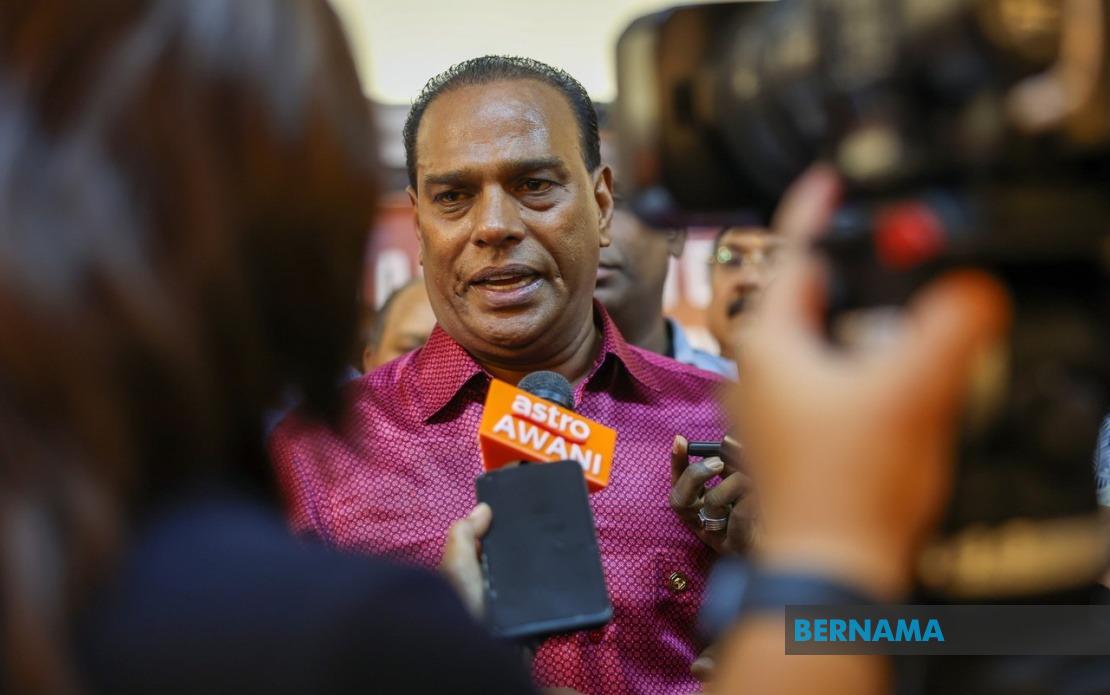
Datuk Seri M. Saravanan, the former Human Resources Minister and Tapah MP, confirmed his scheduled appearance before the Sessions Court in Kuala Lumpur tomorrow to answer charges that have dogged his political career since 2022. The MIC deputy president released a video statement to media outlets acknowledging the impending court date, signalling his willingness to engage the legal process despite the circumstances surrounding the allegations against him.
The charges against Saravanan are understood to originate from a third-party claim relating to the controversial hiring of foreign workers during the height of Malaysia's COVID-19 response. The allegation itself carries significant implications given the heightened scrutiny applied to foreign worker recruitment policies during pandemic lockdowns, when many domestic workers faced unemployment and wage pressures. The timing of these allegations raises questions about the broader governance practices within the ministry during a period when resource management and worker protections became central political issues.
Central to Saravanan's defence is his assertion that the individual who initially made the statement linking his name to the allegations has since passed away, occurring approximately two months before his anticipated court appearance. He further contends that before the individual's death, they had already executed a Statutory Declaration formally retracting the allegations. This sequence of events introduces unusual procedural complexities, as the credibility and veracity of witness testimony becomes impossible to test through conventional cross-examination in court.
Saravanan emphasized through his statement that he maintained no prior contact with the individual making the allegations, whether through telephone conversations or digital messaging platforms. This categorical denial attempts to distance him from any suggestion of collusion or prior relationship that might have motivated the allegations. However, the fact that charges proceed despite the primary accuser's retraction indicates that prosecutors have identified sufficient corroborating evidence or alternative grounds to pursue the matter independently of the original third-party statement.
The charges fall under Section 16 of the MACC Act 2009, which addresses corrupt practices including the solicitation, receipt, provision, promise or offer of bribes. This legal framework represents one of Malaysia's most serious provisions against public sector corruption, suggesting the allegations involve questions of improper inducement or financial impropriety rather than mere administrative irregularity. The invocation of anti-corruption legislation indicates official concern that the foreign worker hiring practices may have involved breaches of public trust and misuse of ministerial authority.
Saravanan's legal team has signalled their intention to apply for expedited trial proceedings, seeking to move the case forward without unnecessary delays. This tactical approach suggests confidence in the strength of his defence while potentially aiming to minimize the political damage of prolonged legal uncertainty. Accelerated trial schedules, however, place significant pressure on defence preparation and evidence gathering, particularly in cases where key witnesses have deceased.
The Malaysian Anti-Corruption Commission's decision to proceed with formal charges reflects its enforcement priorities regarding ministerial conduct during the pandemic period. The MACC has faced ongoing scrutiny regarding the consistency and timeliness of its investigations into high-profile figures, with critics arguing that some cases receive more rigorous investigation than others. The Saravanan case will likely draw further attention to how the anti-corruption body manages investigations that involve retracted allegations and deceased primary witnesses.
For Malaysia's political landscape, the case underscores continuing questions about ministerial accountability and oversight mechanisms during crisis periods. The foreign worker recruitment issue itself remains contentious, as Malaysia's economy depends substantially on migrant labour across multiple sectors, yet domestic worker welfare and employment opportunities remain policy priorities. The allegations suggest potential disconnects between official policy frameworks and on-ground implementation during pandemic conditions when bureaucratic oversight may have been compromised.
The broader Southeast Asian context adds another dimension to this case, as foreign worker management practices have become increasingly politicized across the region. Malaysia's approach to migrant labour has regional implications given the substantial number of workers from neighbouring countries employed in Malaysian industries. How domestic courts adjudicate questions of ministerial responsibility in worker recruitment affects broader diplomatic relationships and investor confidence in governance standards.
Saravanan's pre-trial positioning demonstrates awareness that his political future depends significantly on court outcomes. As MIC deputy president, his credibility within the coalition impacts broader Malay-Chinese political dynamics within the ruling alliance. A conviction could reshape internal party dynamics and influence coalition negotiations, while acquittal might strengthen his position within party hierarchy and potentially rehabilitate his ministerial prospects.
The case will now enter the formal judicial process, where established evidentiary standards and procedural protections will determine the strength of the prosecution's position against Saravanan's defence. The unusual circumstance of relying on a retracted statement from a deceased witness creates genuine legal complications that courts must navigate carefully to ensure both justice and fairness.

