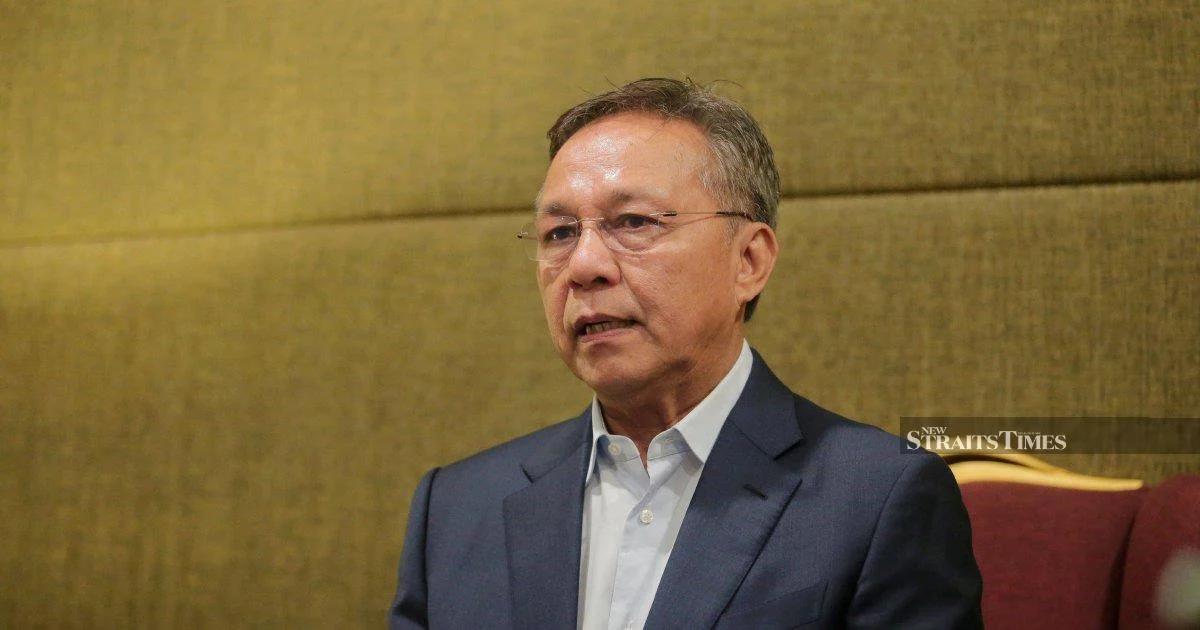
The exclusion of Datuk Seri Hasni Mohammad from Johor's Barisan Nasional slate for the forthcoming state elections marks a significant development in the coalition's electoral strategy for the southern state. The former menteri besar, who previously held the top administrative post in Johor, has notably been left off the candidate roster as the BN machinery prepares its campaign machinery for state-level contests. This decision has set political observers in the region examining the possible reasons behind his removal and what his next move might entail.
Hashni Mohammad's tenure as Johor menteri besar culminated in recent years, and his departure from the state-level candidate list suggests a potential recalibration of his political trajectory. Within Malaysian political circles, such strategic repositioning often signals that a senior figure may be considering a shift in focus, whether through retirement, a change in constituencies, or a redirection towards higher political office. The timing of his exclusion, coinciding with broader BN preparations across multiple electoral fronts, underscores the fluid nature of coalition politics in the post-2018 electoral realignment period.
Political analysts point to the possibility that Hasni Mohammad may be eyeing parliamentary representation rather than state-level assembly seats in any future general election. This represents a not uncommon trajectory for politicians of his stature who have exhausted their influence at the state administrative level. Parliamentary seats offer greater national prominence and access to federal resources, benefits that may appeal to politicians seeking to maintain or elevate their standing within the ruling coalition's hierarchy. The shift from state politics to parliamentary representation has historically allowed seasoned politicians to preserve their relevance whilst taking on broader portfolios in federal governance structures.
The removal also reflects the BN's broader reorganisation efforts in Johor, a state that remains strategically critical to the coalition's electoral mathematics. Johor has traditionally served as a crucial base for UMNO and its BN allies, and securing a competitive slate for state elections requires careful balancing of candidate profiles, demographic appeal, and party loyalty considerations. The decision to exclude a former menteri besar suggests that party strategists may be prioritising candidates perceived as having stronger current grassroots connections or demographics that align with specific constituencies.
Hashni Mohammad's political profile carries particular weight given his previous experience managing state-level administration. Such figures often possess extensive networks, business connections, and internal party capital accumulated over decades of service. His transition from the candidate list does not necessarily diminish his influence within UMNO or the broader BN framework. Instead, it may represent a mutual agreement between the leadership and the former MB to deploy his considerable experience in a different capacity that better serves his political interests and the coalition's overall strategic objectives.
The broader context for Malaysian politics adds further significance to this development. The timing of electoral cycles at state and federal levels creates complex considerations for senior politicians juggling multiple political possibilities. The next general election remains the overarching focus for federal-level parties, and high-profile politicians may make strategic decisions about contesting seats at state or federal levels based on electoral calendars and perceived advantage. Hasni Mohammad's potential repositioning towards parliamentary representation would align him with national-scale political contests that increasingly dominate Malaysian electoral discourse.
For the BN leadership in Johor specifically, the removal of Hasni Mohammad provides an opportunity to project a refreshed image whilst honouring his past contributions through alternative arrangements or positions. This balancing act between generational change and retaining seasoned political figures remains a constant challenge for Malaysia's ruling coalition as it seeks to maintain electoral competitiveness across an increasingly diverse and demanding electorate. State elections particularly demand candidates who can connect with local concerns and community issues, requirements that may argue for selecting politicians with more concentrated focus on grassroots constituencies.
The political consequences of this decision will become clearer as the BN releases its complete candidate lineup for Johor and Hasni Mohammad's own electoral intentions become more apparent. Should he contest a parliamentary seat in the next general election, it would validate speculation that his repositioning was deliberate rather than a sidelining. Conversely, if he steps back from electoral politics altogether, it might signal that his political career has reached a natural conclusion. Either outcome carries implications for how UMNO manages the transition between its established figures and newer generation of politicians competing for prominence within the party hierarchy.
Malaysia's ruling coalition continues navigating the challenge of managing senior politicians whilst maintaining electoral dynamism and competitive positioning. The decision regarding Hasni Mohammad exemplifies how state and federal-level politics intersect in determining career trajectories for established politicians. His next move will likely illuminate broader patterns in how the BN allocates opportunities and influence among its senior membership, particularly as it prepares for multiple electoral contests across different governance levels.

