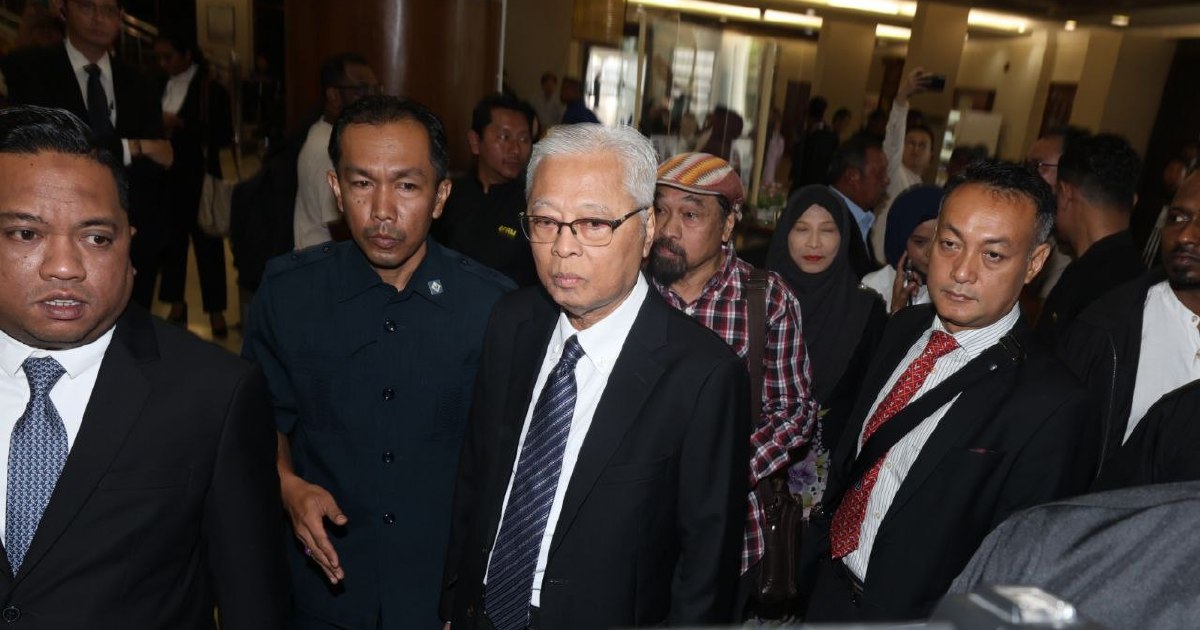
Former Prime Minister Datuk Seri Ismail Sabri Yaakob walked into the Sessions Court in Kuala Lumpur to confront charges that he did not properly disclose his assets in compliance with legal requirements. The appearance marks another significant moment in the ongoing legal scrutiny that has surrounded Malaysia's political leadership in recent years.
The allegations centre on asset declaration violations, a matter that falls under Malaysia's anti-corruption and government accountability framework. Such charges typically relate to officials' obligations under the Malaysian Constitution and the Statutory Declarations Act, which require public officeholders to file comprehensive disclosures of their wealth, properties, and financial interests. The failure to do so constitutes a breach that can result in criminal prosecution, fines, and potential imprisonment.
Ismail Sabri's tenure as Prime Minister from August 2021 to November 2022 was characterised by significant political challenges, including navigating the aftermath of the 2021 political crisis and managing various governance issues. His period in office coincided with pandemic recovery efforts and shifting coalition dynamics within parliament. The subsequent legal proceedings reflect a broader pattern in Malaysian politics where former senior officials have faced corruption and administrative accountability investigations after leaving office.
The asset declaration framework in Malaysia exists to ensure transparency and prevent conflicts of interest among public servants. Officials are generally required to submit detailed declarations covering real estate holdings, personal investments, bank accounts, and other material assets. These measures aim to maintain public confidence in government institutions and demonstrate compliance with ethical standards expected of those in high office. Non-compliance can trigger investigations by the Malaysian Anti-Corruption Commission (MACC) or other relevant authorities.
The court appearance underscores ongoing efforts within Malaysia's legal system to hold political figures accountable for administrative obligations. Over the past decade, Malaysia has witnessed numerous high-profile cases involving former officials facing various charges, reflecting a commitment—however inconsistently applied—to upholding accountability mechanisms. Such proceedings often attract considerable public attention and influence broader discussions about governance standards and the rule of law.
For Malaysian readers and regional observers, Ismail Sabri's case represents part of a longer trajectory of political accountability developments in the country. Unlike the more high-profile corruption charges that have dominated headlines in recent years, asset declaration violations are technical in nature but significant in principle. They represent the machinery of administrative law functioning to ensure compliance with established rules, regardless of an individual's prior position or status.
The prosecution of such cases requires evidence demonstrating either deliberate non-disclosure or negligent failure to comply with legal obligations. Courts must assess whether the defendant knowingly withheld information or whether procedural lapses occurred. The burden of proof and standards of evidence applied by the Sessions Court will be crucial in determining the case's outcome. The legal precedents established through similar prosecutions can influence how such charges are handled in future cases involving other officials.
From a regional perspective, Malaysia's handling of political accountability cases attracts interest from neighbouring countries grappling with similar governance challenges. Southeast Asian democracies continually evaluate how to balance judicial independence with political realities while maintaining credible anti-corruption frameworks. The outcomes of high-profile cases involving former leaders send important signals about institutional strength and the viability of legal checks on executive power.
The implications extend beyond the individual defendant to broader questions about Malaysia's commitment to transparent governance. Public discourse surrounding such trials reflects societal expectations about accountability and whether legal systems can function impartially regardless of political considerations. Media coverage and public commentary on Ismail Sabri's appearance will likely contribute to ongoing national conversations about standards for government officials and the effectiveness of existing oversight mechanisms.
The Sessions Court proceedings will progress through established legal procedures, potentially including evidence presentation, witness testimony, and final judgments. Depending on the court's findings, appeals may follow, further extending the legal process. Throughout these proceedings, the case will continue generating significant public and political interest as Malaysians observe how their institutions respond to accountability matters involving former national leadership.

