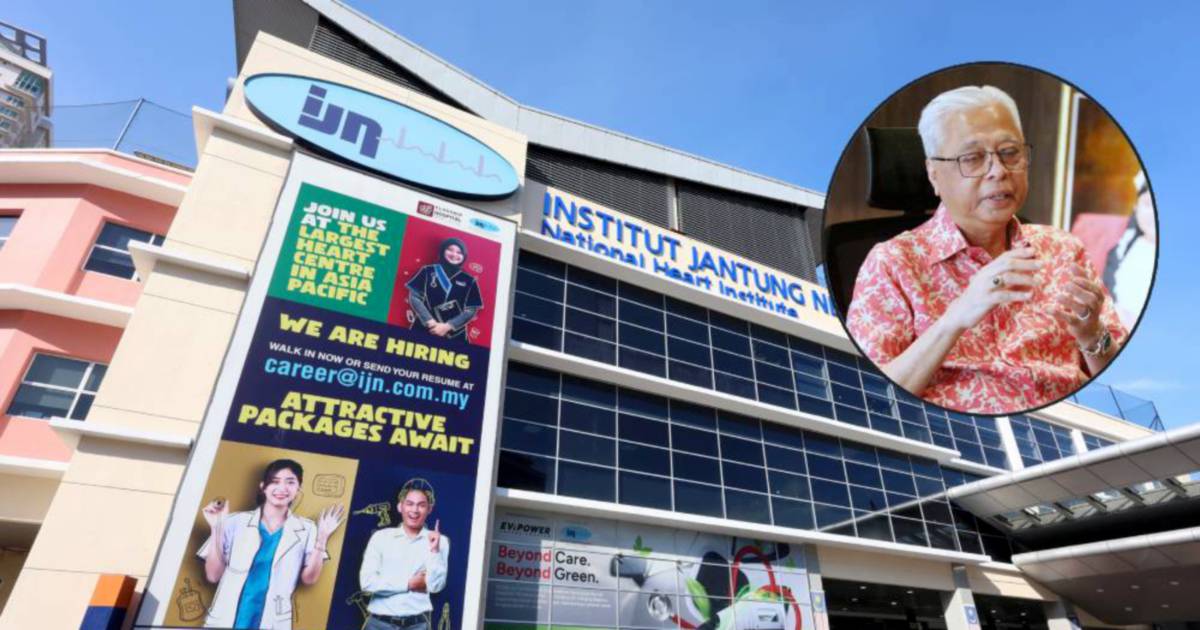
Former Prime Minister Datuk Seri Ismail Sabri Yaakob has completed a successful leadless pacemaker implantation procedure at the National Heart Institute in Kuala Lumpur. The 67-year-old political figure was admitted to IJN after being diagnosed with an abnormal heart rhythm, a condition that prompted his medical team to recommend the surgical intervention.
The leadless pacemaker represents a significant advancement in cardiac treatment technology, offering a less invasive alternative to conventional pacemakers. Unlike traditional devices that require leads—wires that connect the pacemaker to the heart—this modern approach involves implanting a single, compact unit directly into the heart chamber itself. The procedure carries fewer complications related to lead-related issues and infections, and eliminates the need for a surgical pocket beneath the collarbone.
Ismail Sabri's treatment underscores the importance of regular health screening among political leaders and public figures in Malaysia. At his age and profile, maintaining cardiovascular health is essential not only for personal wellbeing but also given the demands of public life and ongoing political engagement. His willingness to undergo the procedure publicly demonstrates the normalisation of cardiac care in the country and may encourage others experiencing similar symptoms to seek timely medical attention.
The IJN, Malaysia's premier heart and cardiovascular research institution, has established itself as a centre of excellence for complex cardiac procedures. The successful completion of leadless pacemaker implantation reflects the institution's capacity to deploy cutting-edge medical technology and expertise that matches international standards. This capability is vital for Malaysia's ambitions to position itself as a regional medical tourism destination and to ensure that high-level cardiac care remains accessible domestically.
Abnormal heart rhythms, or arrhythmias, vary widely in severity and presentation. Some patients experience palpitations, shortness of breath, or dizziness, while others may have silent conditions detected only through routine screening. The decision to implant a pacemaker typically follows specialist assessment and monitoring to establish whether the rhythm disturbance poses genuine risks to the patient's health and quality of life. For Ismail Sabri, the medical team's recommendation for intervention suggests a clinically significant condition warranting proactive management.
The recovery period following leadless pacemaker implantation is generally shorter than with conventional devices, though medical advice typically emphasises rest and activity restriction during the initial healing phase. Ismail Sabri has been advised to prioritise recovery, which may involve limiting strenuous activity, avoiding heavy lifting, and attending follow-up appointments for device monitoring and optimisation. Many patients resume normal activities within several weeks, though individual recovery timelines depend on overall health status and comorbidities.
From a broader health perspective, the prevalence of cardiac conditions among Malaysian adults remains a concern for public health authorities. Cardiovascular disease ranks among the leading causes of mortality in the country, influenced by factors including sedentary lifestyles, dietary patterns, obesity, smoking rates, and inadequate management of hypertension and diabetes. The case of a prominent public figure undergoing pacemaker implantation serves as a reminder that heart disease does not discriminate by socioeconomic status or social position.
Ismail Sabri's medical situation also reflects demographic trends affecting Malaysia's ageing population. As Malaysians live longer, age-related conditions including various forms of arrhythmia become increasingly prevalent. Healthcare planners and policymakers must ensure that treatment capacity and specialist expertise in cardiology and cardiac surgery keep pace with rising demand. This includes training sufficient numbers of electrophysiologists—specialists in rhythm disorders—and ensuring equitable access to advanced procedures across the country.
The timing of this procedure, with Ismail Sabri's continued involvement in political affairs following his tenure as Prime Minister from August 2021 to November 2022, raises questions about how political leaders manage health challenges while maintaining public responsibilities. His decision to undergo treatment and follow medical advice demonstrates the importance of prioritising health over political schedule pressures, a message that resonates across Malaysian society where work culture often minimises health considerations.
Looking forward, Ismail Sabri's successful outcome contributes to growing awareness of leadless pacemaker technology in Malaysia, potentially increasing referrals for this procedure among eligible patients. As the technology becomes more familiar to cardiologists and the public, uptake is likely to increase, benefiting patients who might previously have been hesitant about traditional pacemaker implantation due to concerns about surgical scarring or lead-related complications. The availability of such innovations within Malaysia reduces the need for overseas medical travel and keeps healthcare expenditure within the domestic economy.

