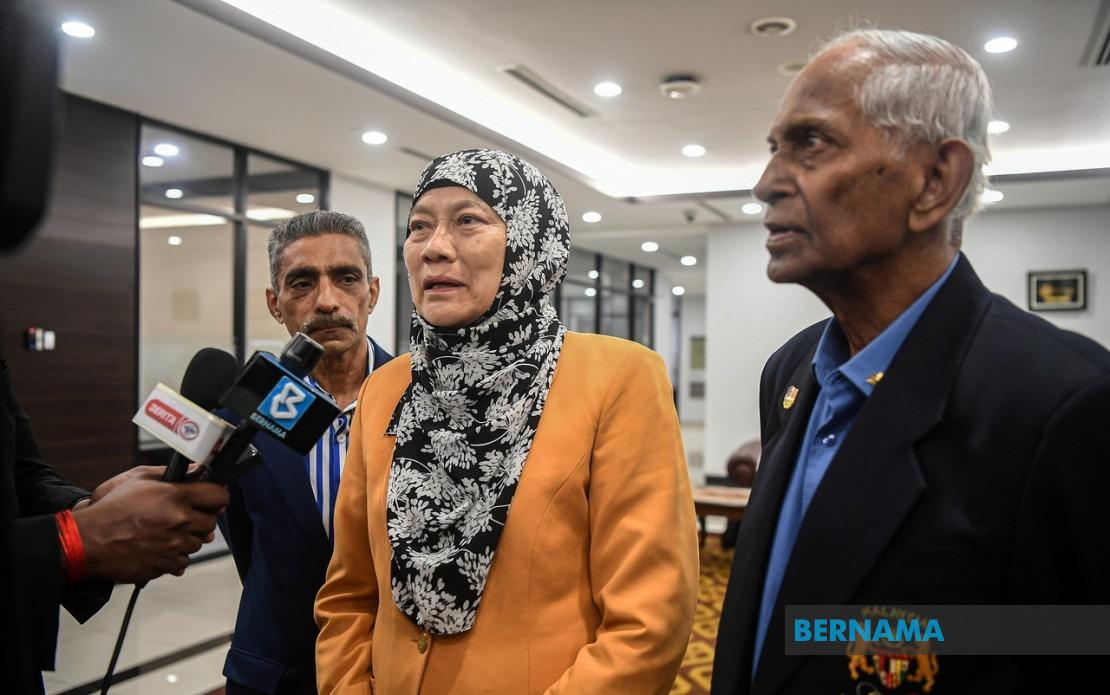
Former Sports Commissioner Datuk Zaiton Othman has issued a stark warning to Malaysia Athletics, urging the national body to overhaul its governance structures and bring operations into full alignment with both its own constitution and the regulatory framework established by World Athletics. Speaking after meeting Youth and Sports Minister Dr Mohammed Taufiq Johari at Parliament, Zaiton highlighted the serious consequences that await the federation should it persist with internal governance issues that conflict with international standards.
The risks facing Malaysia Athletics extend far beyond administrative penalties. Should the world governing body take punitive action—ranging from suspension to outright cancellation of registration—the repercussions would cascade through the entire Malaysian sporting ecosystem. National athletes would find themselves barred from competing in World Athletics-sanctioned international competitions, effectively isolating them from the global athletics circuit and denying them crucial opportunities to gain experience and secure rankings necessary for Olympic and Commonwealth Games qualification.
Even more concerning for Malaysia is the potential impact on the nation's capacity to host the 2027 Southeast Asian Games. Athletics remains one of the medal-rich disciplines at the biennial regional competition, with 47 gold medals available across track and field events alone. This places it alongside swimming and shooting as one of the most significant contributors to a host nation's medal tally. For Malaysia, which will be staging the games, the inability to organise and host athletics competitions would represent a catastrophic failure of the hosting responsibilities and would fundamentally undermine the overall success of the event.
Zaiton, an accomplished former athlete herself who earned the moniker 'Iron Woman' during her competitive heptathlon career, stressed that the concerns being raised were not isolated complaints but reflected genuine anxiety among the broader athletics community. The delegation that met with the minister included Olympian Datuk Karu Selvaratnam and former chairman of the National Athletes Welfare Foundation Datuk Noorul Ariffin Abdul Majeed, underscoring the weight of opinion behind the governance reform movement. These veteran figures from Malaysia's sporting establishment have united around the conviction that governance failures pose an existential threat to the sport's development and to athlete welfare.
The governance crisis within Malaysia Athletics appears to centre on constitutional discrepancies between the federation's internal rules and those mandated by World Athletics. These are not merely technical or bureaucratic matters; they represent fundamental questions about the federation's legitimacy and standing within the global athletics hierarchy. Earlier last month, Malaysia Athletics president Karim Ibrahim announced a temporary step back from his leadership role, ostensibly to facilitate constitutional amendments that would bring the federation's governing documents into conformity with World Athletics requirements. An Annual General Meeting scheduled for later in the month was expected to formally ratify these changes.
Karim Ibrahim's personal position has been complicated by his own suspension history. In 2018, the world governing body imposed sanctions against him—a decision that was subsequently upheld by the Court of Arbitration for Sport. Despite this disciplinary action, Karim has been permitted to retain his involvement with the Asian Athletics Federation Executive Council through the 2019-2023 term. This paradox—serving in continental athletics administration while suspended from a position of authority in a national federation—has only complicated efforts to resolve Malaysia's governance standing and may suggest deeper structural issues within how power and accountability are distributed across Asia's athletics ecosystem.
Zaiton emphasised that while government cannot directly intervene in the day-to-day administrative operations of sports associations—a principle that reflects the autonomy traditionally afforded to sports bodies—the Sports Development Act 1997 does vest the Sports Minister and Sports Commissioner with oversight capacity. This legislative framework empowers these officials to monitor compliance, issue reprimands, and ensure that sports associations operate within the regulatory guardrails established for them. The meeting at Parliament appeared designed to activate these oversight mechanisms and signal government expectation that Malaysia Athletics address its shortcomings expeditiously.
The timing of this intervention is critical given Malaysia's hosting responsibilities for 2027. Unlike some sporting disciplines that can operate in parallel frameworks, athletics operates within a rigorously standardised global system overseen by World Athletics. Any federation that falls foul of these standards faces automatic disadvantage and potential sanctions. For a host nation of a SEA Games, this creates an untenable situation where the showcase event for Southeast Asian athletics could be severely compromised, affecting not just medal counts but also the credibility of the entire event.
The broader context for Malaysian sports governance has become increasingly focused on ensuring that national federations meet international standards and operate with transparency and accountability. Athletics, as one of the flagship Olympic sports and a major contributor to regional competition success, occupies a particularly sensitive position. The sport's governance failures cannot be dismissed as internal administrative squabbles; they represent potential damage to Malaysia's international sporting reputation and tangible harm to the career prospects of Malaysian athletes who deserve to compete on the world stage without bureaucratic impediments.
Looking forward, the resolution of Malaysia Athletics' governance challenges will serve as a test case for how effectively Malaysia's sports administration can manage federation compliance with international standards. The fact that senior figures from government and the sporting establishment have publicly expressed concern suggests this is being treated with appropriate seriousness. What unfolds in coming months—particularly following the AGM and constitutional amendments—will determine whether Malaysia Athletics can restore its standing with World Athletics and avoid the catastrophic scenario of suspension that would devastate the sport domestically and internationally.

