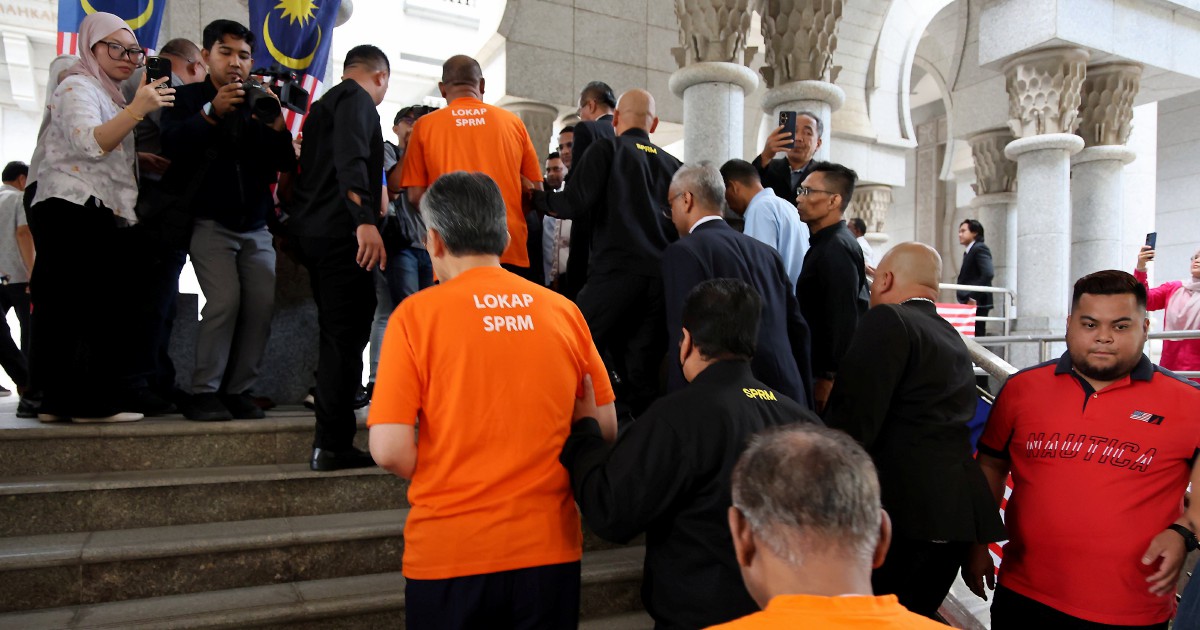
The Malaysian Anti-Corruption Commission (MACC) has successfully obtained a four-day remand extension for a former chief executive officer of Tabung Haji, signalling the deepening nature of investigations into the pilgrimage fund that has faced mounting scrutiny over governance and financial management issues.
The court ruling in Putrajaya marks a significant development in the MACC's probe, which appears to be expanding as part of broader inquiries led by a Royal Commission of Inquiry (RCI). The extension of the remand period provides investigators additional time to question the former executive and gather evidence related to alleged irregularities at the institution.
Tabung Haji, Malaysia's statutory pilgrimage savings fund, has become the subject of intense public and regulatory attention following reports of organisational dysfunction and questions surrounding how the fund's resources were deployed. The RCI, established to examine the fund's operations, has been tasked with investigating governance lapses and other concerns that have attracted parliamentary debate and media attention.
The MACC's pursuit of the former CEO suggests that investigators are examining decisions made at the executive level that may have contributed to problems identified at the institution. Remand extensions are typically granted when authorities believe they require additional time to complete interrogations, obtain statements, and compile evidence for prosecution or further action. The four-day extension indicates the complexity of the investigation and the volume of material requiring examination.
For Malaysian pension and investment holders, the saga underscores broader governance challenges within state-linked entities. Tabung Haji administers savings for millions of Malaysian Muslims preparing for the Hajj pilgrimage, making its financial health and integrity a matter of considerable public interest. Any mismanagement directly affects the retirement aspirations and religious obligations of ordinary Malaysians who rely on the fund to accumulate capital for their pilgrimages.
The involvement of the RCI elevates these inquiries beyond routine MACC investigations. Royal Commissions of Inquiry are typically established when governments identify systemic concerns requiring independent judicial examination. The establishment of such a commission suggests that alleged issues at Tabung Haji were deemed sufficiently grave to warrant this formal investigative mechanism, signalling potential governance failures spanning multiple years or involving numerous officials.
Corruption and mismanagement within government-linked companies carry wider economic implications for Malaysia's investment climate. Foreign and domestic investors scrutinise how authorities handle allegations of impropriety within state institutions, as such cases reflect the broader regulatory environment and rule of law standards. The MACC's visible pursuit of high-level executives demonstrates commitment to accountability, though observers will be watching whether investigations extend to other individuals within the organisation.
The timing and scale of the investigation also reflect evolving public expectations regarding transparency in state-linked entities. Malaysian civil society groups and opposition political figures have increasingly demanded rigorous scrutiny of government-connected institutions, viewing accountability as essential to restoring public confidence in such organisations. The RCI process, by its public nature, places these concerns into formal record and may influence future governance reforms.
Tabung Haji's challenges are not unique within Southeast Asia's development finance landscape. Other regional countries have grappled with governance issues in state-owned investment vehicles and pilgrimage funds, though Malaysia's institutional structure and explicit RCI mechanism represent a more formal investigative approach than some neighbours employ. The outcome of this inquiry may influence how other Southeast Asian nations address similar governance vulnerabilities in their own institutions.
Investigators will likely examine financial transactions, procurement decisions, asset acquisitions, and operational directives issued during the former CEO's tenure. They may also be investigating whether conflicts of interest influenced decision-making or whether proper board oversight mechanisms existed to prevent or detect irregularities. The extension suggests that documented evidence exists but requires further analysis and corroboration through witness testimony.
The case also highlights the critical role of anti-corruption agencies in maintaining institutional integrity. The MACC's willingness to pursue senior figures, regardless of their previous prominence or institutional position, sends a signal about enforcement priorities. However, investigators must balance thorough examination with procedural fairness, ensuring that due process protections are maintained even as they pursue accountability for potential wrongdoing.
Looking forward, the RCI's findings will likely shape future governance frameworks at Tabung Haji and possibly influence regulatory standards across other government-linked companies. Board composition requirements, executive compensation oversight, and financial reporting standards may all come under review. For ordinary Malaysians dependent on the fund, the outcome will determine whether systemic reforms can restore confidence in the institution's stewardship of their pilgrimage savings.

