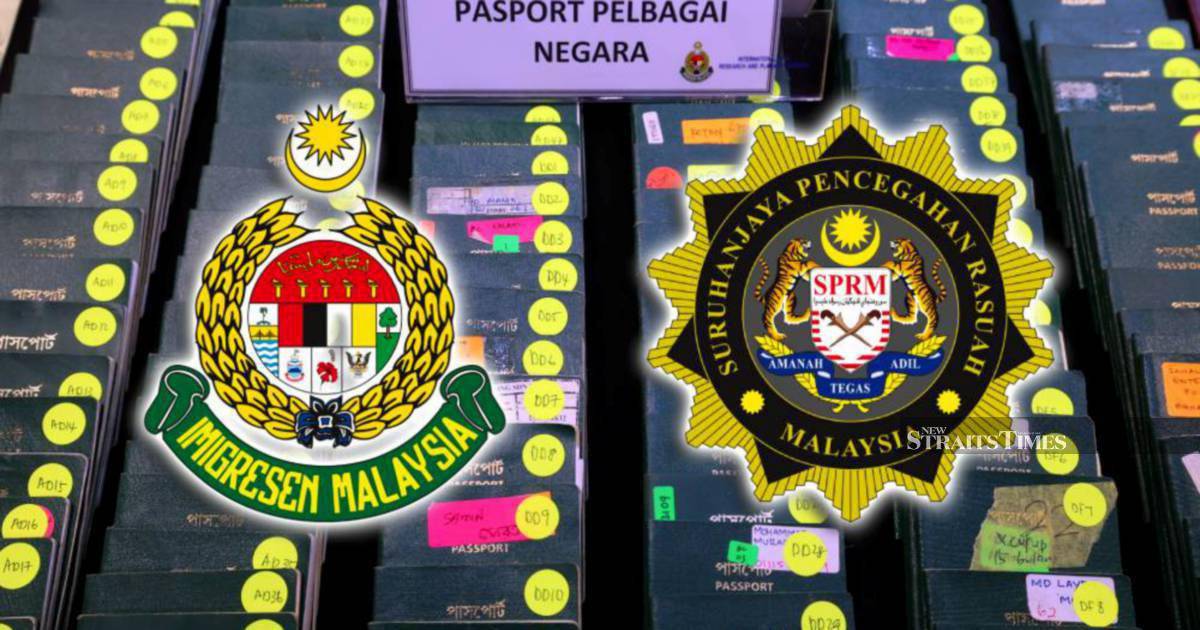
A criminal syndicate that breached Malaysia's immigration database to illegally authorize temporary work permits has been shut down following coordinated raids by the Malaysian Anti-Corruption Commission and the Immigration Department. Among the 12 individuals detained in the operation are four officers employed within the Immigration Department itself, signalling how the scheme exploited insiders with legitimate system access to circumvent official channels.
The compromised system in question is MyIMMs, the digital platform that manages employment passes and visitor documentation for Malaysia. By hacking into this network, the criminal network was able to fraudulently process and approve Temporary Employment Visit Passes (PLKS) without going through proper authorization procedures. This breach represents a significant vulnerability in Malaysia's border control and workforce monitoring infrastructure, which underpins the country's ability to manage its foreign labour force and prevent unauthorized employment.
The involvement of immigration officers in the scheme underscores a critical weakness: corrupt insiders can leverage their legitimate credentials and system privileges to enable large-scale document fraud. Rather than hackers operating entirely from outside the system, this syndicate combined technical exploitation with internal complicity. The four detained officers would have possessed user accounts and knowledge of procedural workflows, making them invaluable to criminals seeking to create passes that appeared authentic within the database.
MyIMMs serves as a cornerstone of Malaysia's immigration management, processing thousands of applications daily from employers seeking foreign workers across manufacturing, construction, hospitality, and domestic service sectors. Any compromise to this system creates immediate risks: fraudulent work permits could allow undocumented migrants to enter the country undetected, undermining labour protections and tax collection, while also creating national security concerns. The scheme's operational scope remains unclear from the initial investigation phases, though the detention of a dozen suspects suggests it may have been operating for weeks or months.
The joint operation reflects Malaysia's commitment to combating corruption within government institutions, a longstanding challenge that erodes public trust and enables organized crime. The MACC's involvement indicates this case was pursued as a corruption matter rather than merely a cybercrime, recognizing that public officials abusing their authority constitutes a fundamental betrayal of their duties. This approach aligns with Malaysia's broader anti-corruption framework, which increasingly targets white-collar offences within the civil service.
For Malaysian employers relying on the legal recruitment of migrant workers, this security breach raises urgent questions about the integrity of their approved permits and the processes they navigated to obtain them. Companies may now face complications verifying the legitimacy of documents they received during the syndicate's operational period. The Immigration Department will likely need to conduct comprehensive audits of affected applications and reissue credentials through secured procedures.
The incident also highlights the evolving threat landscape facing Southeast Asian governments as digital infrastructure becomes central to service delivery. While cybersecurity investments have expanded across the region, the combination of technical hacking with insider corruption remains particularly difficult to detect and prevent. Hackers targeting Malaysia's immigration system could theoretically be based anywhere, potentially including neighbouring countries or international cybercriminal networks seeking to facilitate human trafficking or illegal migration routes.
Investigators will now focus on determining how long the syndicate operated, how many fraudulent passes were issued, and the identities of the individuals and organizations that obtained them. The four immigration officers will face interrogation regarding their specific roles—whether they actively facilitated hacking, provided credentials to outside accomplices, or approved fraudulent applications after the system was compromised. Such distinctions will significantly influence the severity of charges pursued.
This case emerges amid broader regional concerns about labour trafficking and the exploitation of migrant workers in Southeast Asia. Fraudulent work permits issued through hacked systems could have enabled vulnerable migrant workers to be trafficked into dangerous conditions or subjected to wage theft, amplifying the human cost beyond institutional failure. The Immigration Department's credibility depends on demonstrating that such breaches are exceptional rather than systemic.
Moving forward, the case signals the need for enhanced cybersecurity protocols within immigration agencies, including multi-factor authentication, encrypted databases, and compartmentalized access controls. Malaysia will likely accelerate reviews of system vulnerabilities across government services, particularly those handling sensitive documentation. International cooperation may also become relevant if the hacking originated from external sources or if fraudulent workers were intended for cross-border operations.
The dismantling of this syndicate represents an important law enforcement victory, yet it also reveals how interconnected corruption and cybercrime have become in Malaysia's public institutions. As the investigation deepens, authorities will need to determine whether this case represents an isolated breach or symptomatic of broader vulnerabilities requiring systemic reform.

