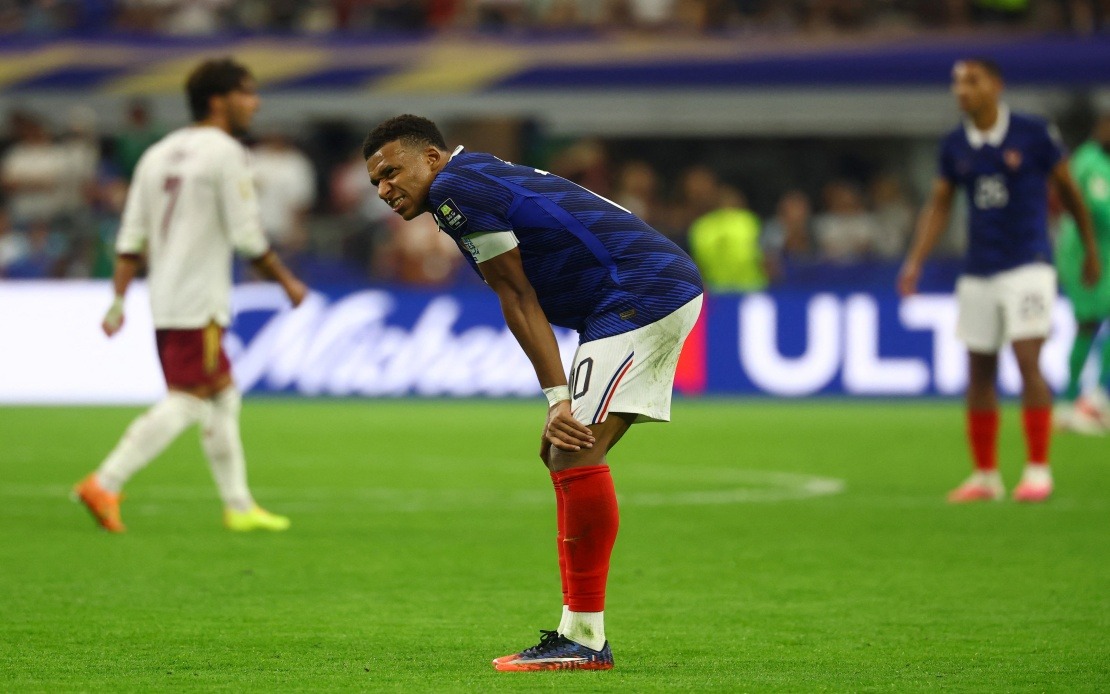
France's exit from the FIFA World Cup semifinal came with a heavy price beyond the pitch, as authorities in Paris and Lyon arrested more than 160 individuals in the aftermath of the nation's 2-0 defeat to Spain. The mass detentions, which occurred immediately following Tuesday evening's match, underscore the volatile emotions that can accompany major tournament eliminations in football-obsessed nations. The scale of the disruptions, concentrated in two major urban centres, reflects the intensity with which French citizens had invested in their team's World Cup campaign.
The Paris Police Prefecture reported that 141 of the total arrests took place across the greater Paris region, making the capital the primary flashpoint for post-match disorder. Investigators linked the vast majority of these detentions to incidents involving the deployment of firework mortars, with authorities alleging that projectiles were deliberately aimed at police officers and emergency service personnel responding to the disturbances. This tactical use of pyrotechnic devices against law enforcement represents a particularly serious form of civil disorder, as such weapons can cause significant injury and are classified as dangerous implements under French law.
The nature of the arrests reveals a disturbing pattern of escalation in how football-related emotions translate into violence. Rather than spontaneous, isolated incidents, the coordinated use of fireworks against emergency responders suggests a level of organization among certain groups within the crowds that had gathered to watch the match. Such behaviour stretches beyond typical sports-related celebrations or disappointments, entering territory that concerns security officials across Europe, who have increasingly grappled with hooliganism masked by patriotic fervour.
Lyon experienced its own significant gathering at Place Bellecour, one of Europe's largest public squares, where several hundred spectators had assembled to view the semifinal fixture. Following Spain's victory, the atmosphere in the square shifted dramatically as smaller groups began to coalesce and engage in confrontational behaviour. These clusters of individuals hurled various projectiles at law enforcement, including fireworks and other objects, prompting French riot police to intervene with significant force. Approximately 20 arrests were made in Lyon in connection with these disturbances, substantially fewer than in Paris but still representing a notable security operation.
The detainees arrested in both cities displayed a notable age demographic, with authorities confirming that those held were reportedly born between 2002 and 2011. This generational composition suggests that younger citizens, many still in their teenage years or early twenties, formed a significant portion of those engaged in the post-match violence. The involvement of minors and young adults raises questions about crowd dynamics, social media amplification, and the mobilization of youth through online networks in the context of major sporting events. Such patterns have become increasingly visible across European cities during major tournaments.
Despite the scale of the arrests and the confrontational nature of the incidents, French authorities reported that no serious injuries resulted from the clashes in either location. This outcome likely reflects both the restraint shown by emergency responders and the nature of the weapons employed, though the absence of significant casualties should not obscure the genuine danger posed to police and firefighters facing projectiles and improvised weapons. Emergency service personnel in both cities faced heightened risk as crowds became increasingly hostile following the disappointing result.
Property damage assessments indicated that neither Paris nor Lyon experienced significant destruction of public infrastructure, according to official reports from local authorities. This distinction is noteworthy, as some post-match disturbances in major cities have historically resulted in vandalism, looting, or the destruction of storefronts and public amenities. The relatively contained nature of the property damage suggests that while emotions ran high and confrontations occurred, the incidents did not escalate into the widespread disorder that sometimes characterizes major sporting defeats in other contexts.
The incidents highlight a recurring challenge for France and other European nations hosting or participating in major football competitions. The interplay between national pride, competitive disappointment, and the potential for social disorder creates a complex security environment that authorities must navigate carefully. French police and municipal governments had presumably prepared contingency plans for potential disorder, given France's history of passionate football supporters and the high stakes of World Cup competition. The relatively swift arrests across multiple locations suggest that security operations had been adequately resourced and positioned.
From a Southeast Asian perspective, these events serve as a cautionary reminder of how football's emotional resonance can transcend cultural and geographical boundaries. Malaysia and other ASEAN nations, while not directly involved in this particular tournament, have experienced their own instances of football-related violence and disorder. The French situation illustrates that even wealthy, well-developed democracies with professional police forces struggle to manage the intersection of mass emotion, national identity, and competitive sport. Understanding how European authorities respond to such incidents provides valuable context for regional security planners considering prevention strategies for major sporting events in Southeast Asia.
The broader implications of these arrests extend beyond immediate public order concerns. Football tournaments serve as focal points for national sentiment and collective emotion, and the manner in which societies process disappointment reveals much about underlying social tensions and the ways in which young people, in particular, channel frustration. The 2-0 defeat to Spain eliminated France from the tournament entirely, transforming what would have been a celebratory gathering into a site of conflict and disorder. Such rapid emotional reversals during major sporting events present ongoing challenges for law enforcement agencies worldwide, suggesting that Europe's football security frameworks will continue to evolve in response to recurring patterns of post-match disorder.

