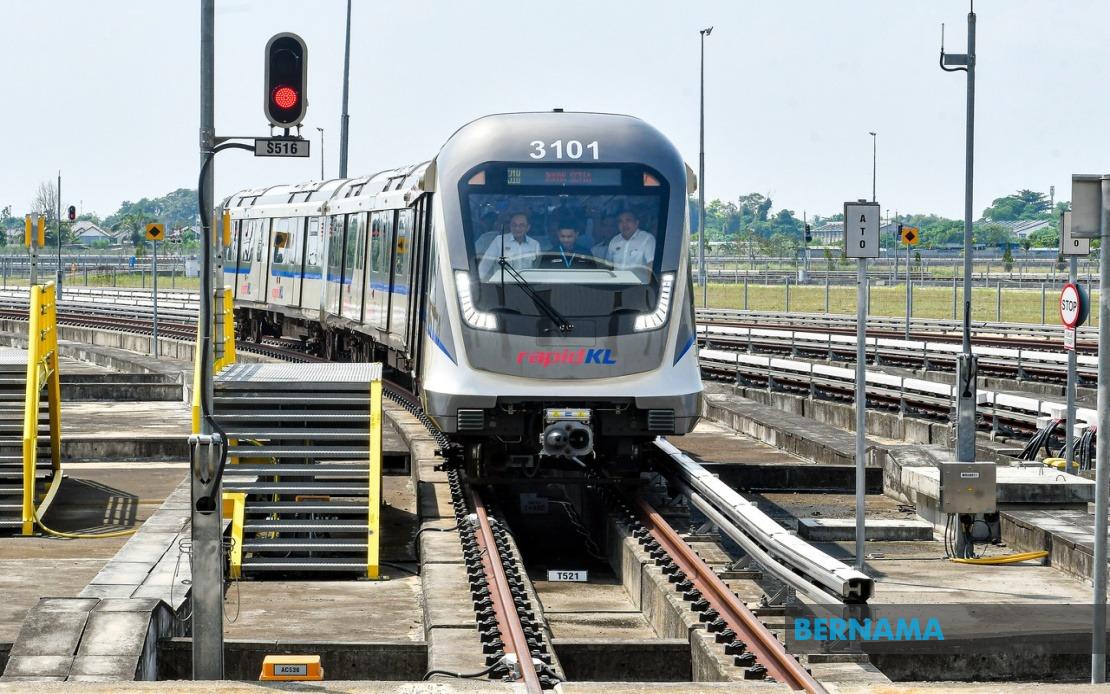
Commuters and students have welcomed the announcement of a month-long free fare period for the Light Rail Transit 3 Shah Alam Line, which Prime Minister Datuk Seri Anwar Ibrahim unveiled this week. The complimentary travel offer, running from June 29 through July 31, represents a significant opportunity for the public to become acquainted with the new rapid transit corridor without bearing any out-of-pocket costs. The initiative extends beyond the main LRT service itself, with feeder bus operations run by Prasarana Malaysia Berhad also offering free rides during the promotional period, creating an integrated transport network accessible to all passengers at no charge.
The response from students has been particularly enthusiastic, as the new line addresses a long-standing transportation challenge for tertiary education commuters in the Klang Valley region. Universiti Teknologi MARA student Arissa Ahmad Khairul, pursuing a Bachelor of Journalism degree, noted that the free fare initiative delivers tangible relief for students who had previously depended on expensive e-hailing applications or parental support to reach campus. She emphasised that the combination of no-cost travel and improved train facilities creates a compelling case for shifting away from private transportation solutions. Her personal commute from Kepong to the UiTM Shah Alam campus via Bandar Utama stands to benefit substantially, both financially and in terms of time efficiency compared to existing alternatives.
Media professional Yamin Ahmad, 25, characterised the promotional scheme as a well-considered policy that removes financial barriers preventing potential users from exploring the service. Beyond immediate cost savings, she argued the free month provides a critical window for the broader public to evaluate whether public transport represents a genuine improvement over private vehicle use. The opportunity to experience the route's convenience, reliability, and comfort levels without financial commitment may influence longer-term travel behaviour. For many, the first-hand experience during this trial period could fundamentally alter their perception of public transit viability in the metropolitan corridor.
The timing of the Shah Alam Line opening carries particular significance for the sprawling UiTM campus, which accommodates approximately 42,000 students across multiple locations. According to Mohamad Adib Hazim Mohamad Razali, president of the UiTM Students' Representative Council, only around 13,500 of these students reside in university-provided residential colleges, leaving roughly 28,500 commuting daily from surrounding areas. Many originate from Kuala Lumpur and Subang Jaya, regions now directly connected to the main campus via the new line. This new connectivity fundamentally transforms the commuting experience for these off-campus students, replacing costly and time-consuming e-hailing services or private vehicle arrangements with a rapid, direct rail connection.
The financial implications for the broader student population warrant careful consideration. Each day saved on transport costs accumulates significantly over an academic year, funds that could be redirected toward educational materials, accommodation, or basic living expenses. The free trial month provides a compelling demonstration of potential savings, potentially converting curious experimenters into committed public transit users once regular fares commence. University leadership recognises that improved transportation accessibility influences enrolment patterns and student satisfaction, making this initiative strategically important for the institution's operational efficiency and competitive positioning.
Beyond the student demographic, the free fare period targets a broader objective of public transport modal shift in Malaysia. The Klang Valley region, despite substantial population growth, continues to rely heavily on private vehicles, contributing to chronic traffic congestion and air quality concerns. Government initiatives promoting public transit adoption require not only infrastructure investment but also behavioural change among commuters. A month of free travel removes the price barrier that often prevents potential users from discovering transit advantages, allowing convenience, journey time, and environmental benefits to speak for themselves without financial obligation clouding the evaluation.
The integration of feeder bus services into the free fare scheme deserves recognition as a sophisticated policy approach. Standalone rail infrastructure without efficient first-mile and last-mile connectivity limits practical accessibility for many potential users. By simultaneously waiving fares on connecting bus routes, the government has created a genuinely integrated transport network that accommodates commuters throughout the metropolitan area, not merely those residing within walking distance of LRT3 stations. This holistic approach addresses a persistent criticism of Malaysian public transit infrastructure—that rail lines often function in isolation rather than as components of coordinated systems.
The Shah Alam Line represents investment in transportation capacity for Malaysia's economic heartland, an area home to major industrial zones, commercial districts, and educational institutions. Improving connectivity between these economic centres and residential neighbourhoods supports labour force mobility and economic productivity. When commuting becomes faster and more affordable, workers can access broader employment opportunities and employers can recruit from wider talent pools. The immediate beneficiaries—students during this trial month—embody precisely the demographic likely to carry transit-using habits forward throughout their careers, potentially establishing a generation of public transport users in an economy historically dominated by private vehicle preference.
The government's confidence in offering a full month of free service suggests considerable stakeholder alignment around the Shah Alam Line's viability and importance. Such initiatives typically reflect broader strategic thinking about urban development, congestion management, and sustainable transportation. Malaysia's transportation planners appear committed to creating genuine alternatives to car dependency, recognising that infrastructure alone cannot achieve this objective without complementary policies addressing affordability, convenience, and user experience. The free trial period should be understood not merely as a promotional gimmick but as a calculated investment in changing entrenched commuting patterns.

