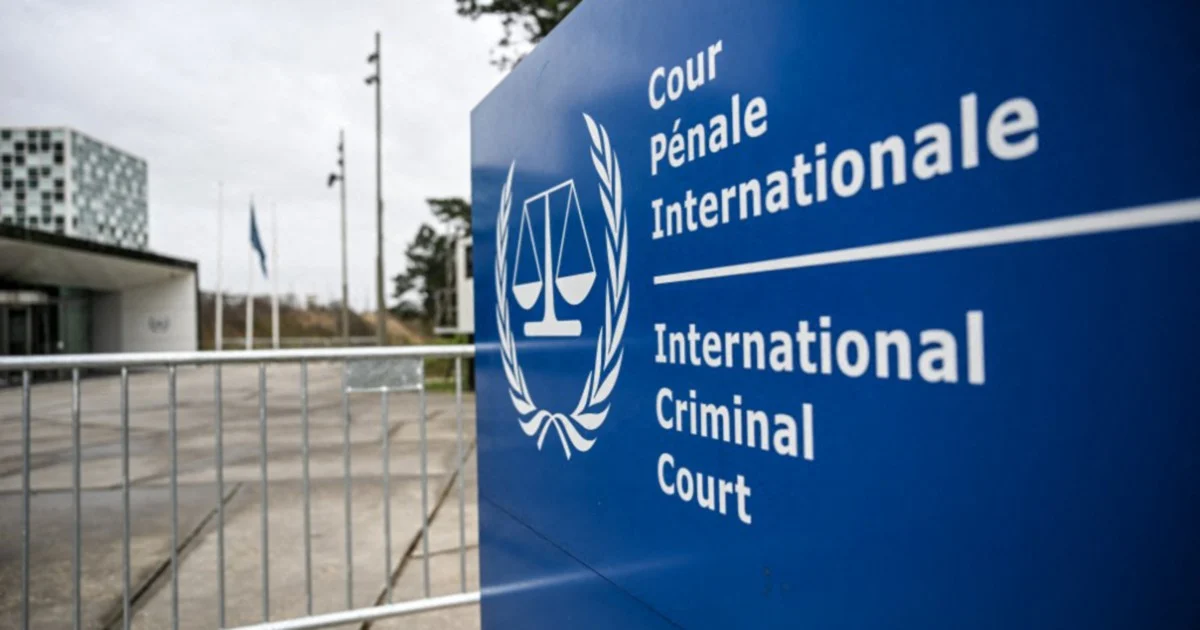
American civil liberties organisations have initiated legal proceedings against the Trump administration, claiming that recently implemented sanctions targeting the International Criminal Court infringe upon constitutional protections for free expression. The challenge was lodged this week as State Department officials intensified their push to dismantle the tribunal, prompting defenders of international justice mechanisms to mount a constitutional defence of their advocacy work.
The lawsuit represents an escalation in tensions between the United States and the ICC, an institution that has long operated under scrutiny from Washington. The advocacy groups contend that the sanctions regime creates a chilling effect on their capacity to support the court's mission and communicate freely about its importance, thereby transgressing First Amendment guarantees. This legal confrontation underscores the profound divide between those who view the ICC as a vital mechanism for accountability and those who regard it as a threat to American interests and sovereignty.
The Trump administration's renewed focus on constraining the ICC comes as the court continues investigating alleged violations in various global hotspots. US officials have articulated concerns about the tribunal's independence and its potential to prosecute American citizens or those allied with Washington. Proponents of the sanctions argue they are necessary to protect US interests and those of countries considered friendly to America, but critics maintain that such measures constitute government overreach that silences legitimate debate.
For Malaysian observers and regional watchers, this dispute carries broader implications for the architecture of international justice. Southeast Asia has experienced considerable conflict in recent decades, and questions about how justice mechanisms function—particularly when major powers seek to circumscribe their authority—resonate across the region. The confrontation highlights how geopolitical interests can collide with the institutional independence necessary for global courts to function credibly.
The advocacy groups bringing the challenge assert that sanctions effectively prohibit them from engaging in activities that support the ICC, including public education, legal assistance, and fundraising. Such restrictions, they argue, represent an unconstitutional prior restraint on speech and association. The administration counters that the measures are appropriately calibrated foreign policy tools designed to influence the behaviour of an institution they perceive as unaccountable and potentially hostile to American personnel.
This case emerges within a broader context of American ambivalence toward multilateral institutions. The Trump administration has historically questioned the value and legitimacy of various international bodies, viewing them as constraints on American autonomy. The ICC has been a particular flashpoint, with previous administrations also adopting sceptical stances toward the organisation, though the current campaign appears notably more aggressive in its objectives.
The constitutional dimension of the lawsuit adds complexity to what might otherwise be characterised as a purely foreign policy dispute. First Amendment jurisprudence provides robust protections for advocacy and speech concerning matters of public importance, including critiques of government policy toward international institutions. The courts must balance these protections against the government's prerogatives in foreign affairs and national security matters, a tension that has occupied judicial attention throughout American history.
Regional governments and civil society organisations across Southeast Asia have reason to monitor this litigation closely. Many countries in the region have ratified the Rome Statute establishing the ICC, indicating at least formal commitment to international accountability mechanisms. If the United States successfully implements a sanctions regime that silences advocacy in support of the court, it could signal to other countries that such pressure tactics are viable, potentially undermining support for international justice institutions in Asia and beyond.
The sanctions framework itself remains subject to challenge on multiple grounds. Beyond the free speech arguments, legal scholars have questioned whether such measures comply with international law obligations and whether they constitute impermissible interference in the internal affairs of an international organisation. The administration's position assumes that the ICC operates sufficiently within the American domestic sphere to justify such interventions, a premise the advocacy groups vigorously contest.
The timing of this legal challenge reflects broader American political dynamics and international tensions. As the ICC continues its investigations into alleged atrocities in different theatres, pressure from Washington to modify or abandon the court's mandate intensifies. The lawsuit suggests that civil society organisations intend to resist through all available legal avenues, including constitutional challenges that reframe this conflict in terms of fundamental freedoms rather than purely diplomatic considerations.
Looking forward, the resolution of this case could establish important precedents about the extent to which the American government may restrict speech and advocacy regarding international institutions. For Malaysia and the wider Southeast Asian region, the outcome carries significance beyond American borders, potentially influencing how major powers approach multilateral mechanisms and whether accountability institutions can maintain their independence when confronted with great power opposition. The litigation thus represents not merely an American constitutional matter but a consequential test of international justice architecture in an increasingly contested global order.

