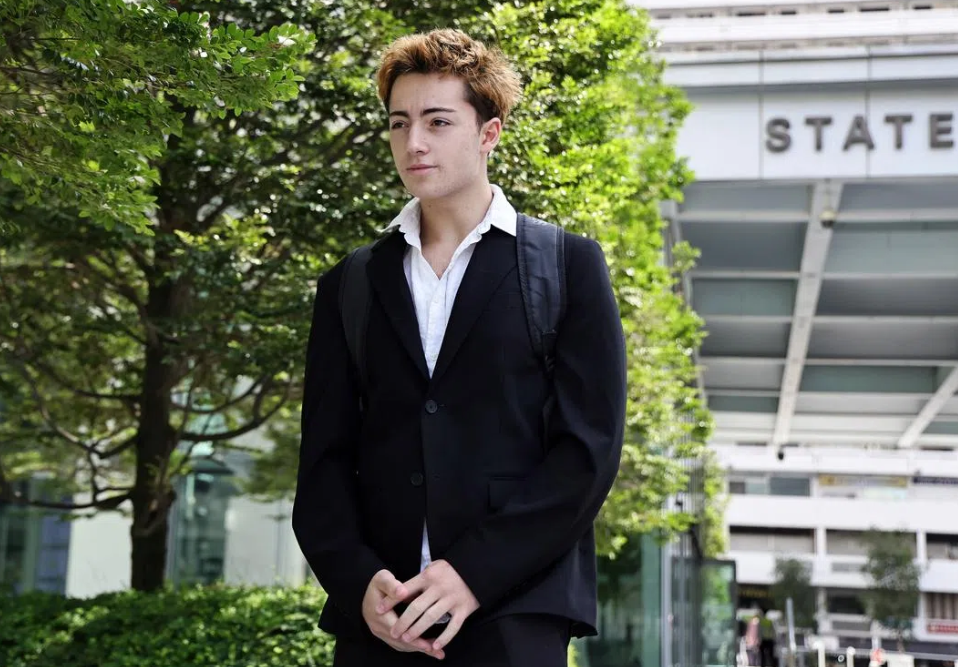
A 19-year-old French national residing in Singapore is slated to enter a guilty plea on July 13 following allegations that he contaminated a straw at a public vending machine and subsequently shared footage of the incident across social media platforms. Didier Gaspard Owen Maximilien faced formal charges in April for committing mischief and acting as a public nuisance, offences that carry serious legal consequences in the city-state.
The alleged incident took place at Goldhill Centre, situated along Thomson Road, on or about March 12. According to the charges filed against Maximilien, he deliberately licked a straw dispensed from an iJooz machine—a branded vending system specialising in freshly squeezed orange juice—before returning the contaminated item to the dispenser for potential use by other customers. The teenager then recorded himself performing this act and circulated the video through various social media channels, actions that would prove instrumental in authorities identifying and apprehending him.
The emergence of the video on social media platforms on March 12 triggered rapid viral dissemination across the internet, generating widespread alarm and distress among online communities in Singapore and beyond. The incident struck a chord with public sentiment precisely because it involved deliberate contamination of a communal facility, raising hygiene concerns and highlighting vulnerabilities in public-facing amenities. Netizens expressed shock at the brazen nature of the act and the decision to publicise it, reflecting broader anxieties about food safety and the irresponsible use of social media to document antisocial behaviour.
The ramifications of Maximilien's alleged actions extended considerably beyond the immediate health implications. iJooz management determined that the entire contents of the straw dispenser—comprising approximately 500 individual straws—required replacement as a precautionary measure to ensure customer safety and restore public confidence in their machines. This wholesale replacement represented a significant operational and financial burden for the business, demonstrating how such incidents can impose tangible costs on companies operating consumer-facing services in public spaces.
The legal framework Singapore has established to address such offences reflects the jurisdiction's stringent approach to maintaining public order and protecting communal spaces from deliberate contamination or disruption. The charge of committing mischief carries potential consequences including imprisonment for up to two years, monetary fines, or a combination of both penalties. The second charge, relating to conduct constituting a public nuisance, provides for imprisonment up to three months, financial penalties reaching $2,000, or both.
Maximilien's case resonates particularly within the Southeast Asian context, where rapid urbanisation and the proliferation of shared public amenities have created new frontiers for regulatory oversight and behavioural management. The incident underscores tensions between individual freedoms and collective responsibility, particularly among younger demographics who engage intensively with digital platforms. The decision to document and publicise antisocial conduct for online consumption represents a relatively recent phenomenon that legal systems across the region are still learning to address comprehensively.
The timing of his expected guilty plea in mid-July suggests that legal proceedings have advanced through preliminary hearings and case management stages. Maximilien's willingness to enter a guilty plea, rather than contesting the charges, may indicate either clear evidence against him or a pragmatic decision regarding the likely outcome of a trial. For Malaysian observers, the case offers instructive insights into how neighbouring jurisdictions handle breaches of public hygiene and social order, particularly those amplified through digital channels.
The incident also highlights broader questions about platform accountability and the responsibility of social media companies to monitor and moderate content depicting illegal or antisocial behaviour. While Maximilien bears direct responsibility for his actions, the viral spread of such content raises secondary concerns about amplification mechanisms and whether online platforms have adequate safeguards to prevent the glorification or encouragement of copycat behaviour.
For commercial operators managing vending machines and public-facing services throughout the region, the case serves as a cautionary reminder of emerging risks associated with deliberate contamination and the reputational damage that can result from viral incidents. Many businesses have subsequently invested in enhanced security measures, surveillance capabilities, and rapid response protocols to address such incidents swiftly and transparently. The psychological impact on consumers, once trust in a brand's safety protocols has been compromised, can prove difficult to reverse despite remedial actions.
Maximilien's prosecution also demonstrates Singapore's commitment to enforcing standards of public behaviour and hygiene through the criminal justice system, positioning these concerns as matters of collective welfare rather than mere civil nuisances. This approach contrasts with systems in some other jurisdictions that might rely more heavily on civil remedies or administrative penalties. The precedent being set through his case, combined with potential sentencing outcomes, will likely influence how similar incidents are handled and prosecuted across the region in coming years.

