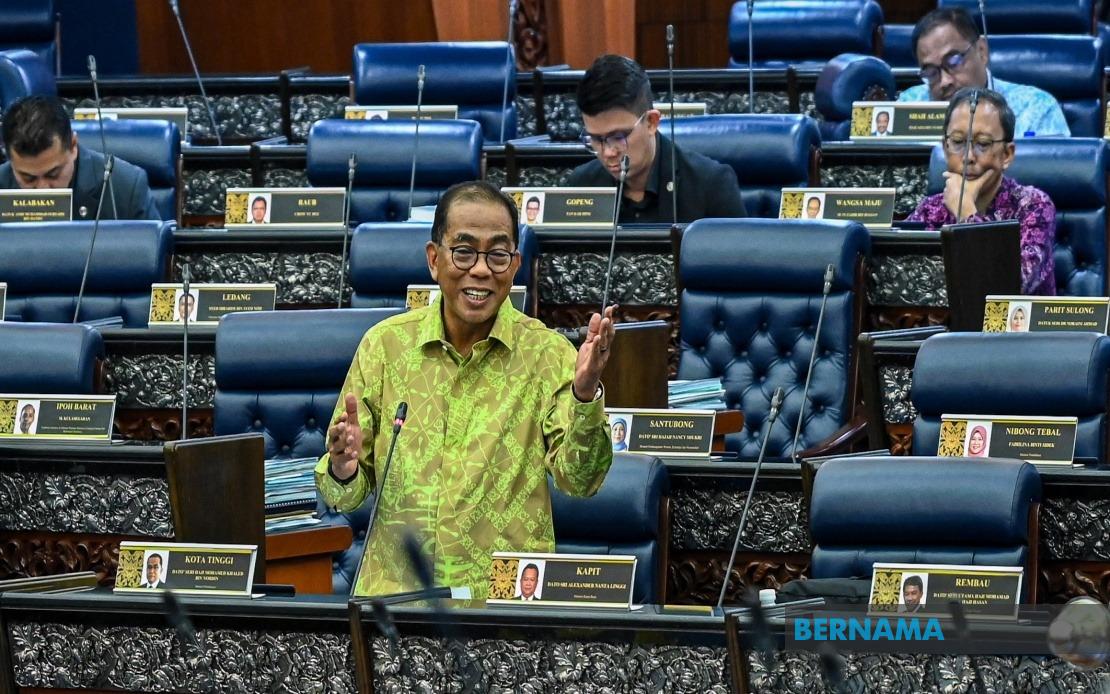
Defence Minister Datuk Seri Mohamed Khaled Nordin announced in Parliament that authorities will deliver a comprehensive investigation report on July 23 into the grenade explosion at Hobart Camp Firing Range in Gurun, Kedah, which resulted in two fatalities during a combat training exercise last month. The delayed submission reflects the complexity of examining the incident's technical dimensions alongside procedural compliance and witness accounts before drawing final conclusions about what transpired.
The armed forces established a board of inquiry the day following the incident on June 17, 2026, tasked with determining the circumstances that led to the blast. This initial investigation was subsequently reviewed by the 2nd Division Headquarters and the Army Western Field Command Headquarters. The Defence Ministry received the preliminary findings from Army Western Field Command Headquarters on July 13, but the review process identified gaps requiring further investigative work. Investigators determined that additional witness testimonies were essential to comprehensively substantiate the inquiry's conclusions, necessitating the extended timeline for the final report.
The incident occurred on June 16 at approximately 10.57 am during a Combat Enhancement Training exercise at the facility. Lance Corporal Siti Khadijah Sungip and Sergeant Norazmi Abu Bakar, the training supervisor, sustained critical injuries when a grenade detonated inside a bunker. Both were evacuated to Sultan Abdul Halim Hospital in Sungai Petani but succumbed to their wounds during transport. The fatalities have raised serious questions about safety protocols governing explosive training at military facilities throughout Malaysia.
Army Chief General Tan Sri Azhan Md Othman responded swiftly by suspending all grenade-throwing exercises across the military pending a thorough safety review. The comprehensive inspection targeted all remaining grenades held by the 1st Squadron of the Royal Engineer Regiment, the unit involved in the training. This precautionary measure underscores the gravity with which the military command regards explosive training safety and signals determination to prevent similar tragedies.
The incident prompted Defence Minister Mohamed Khaled to outline multiple safeguarding initiatives intended to elevate training standards across military firing ranges. Installation of closed-circuit television surveillance at firing ranges represents a significant infrastructure investment, enabling real-time monitoring and documented records of all training activities involving explosives. Body-worn camera technology would provide supplementary documentation from individual participants' perspectives, creating multiple layers of visual evidence for incident analysis and training review purposes.
Additionally, the ministry is implementing a casting policy for ammunition and explosives designed to establish precise service life parameters for these materials. This systematic approach acknowledges that ammunition and explosive devices degrade over time, and outdated or improperly stored materials may malfunction during handling or deployment. By establishing clear timelines for equipment replacement and retirement, the military aims to eliminate a potential contributing factor to accidental detonations. Such measures reflect international best practices in military ordnance management.
The parliamentary inquiry that prompted the Defence Minister's response originated from Datuk Mohd Isam Mohd Isa of Tampin, a Barisan Nasional representative seeking clarification on the incident's cause and measures being implemented to prevent recurrence. This legislative scrutiny demonstrates Parliament's oversight function regarding military safety and public accountability for defence operations. The Defence Ministry's detailed response and commitment to submit the complete investigation report illustrates institutional responsiveness to parliamentary questions concerning matters of significant public concern.
For Malaysian readers and regional observers, the Gurun incident highlights the inherent risks accompanying military training with live explosives, even under supervised conditions. While armed forces globally conduct such exercises routinely, the fatal outcome underscores how quickly circumstances can become catastrophic when equipment malfunctions or procedural errors occur. The two deaths represent tragic losses within Malaysia's defence community and serve as sobering reminders of the sacrifices military personnel undertake during training operations.
The extended investigation timeline, while potentially frustrating to those seeking immediate answers, reflects the importance of conducting thorough inquiries into military fatalities. Rushing preliminary findings to publication without adequate corroboration risks missing critical safety factors or perpetuating incomplete understandings of what occurred. By extending the investigation period to strengthen witness testimony and technical analysis, authorities demonstrate commitment to establishing definitive findings that can genuinely inform future safety improvements rather than merely providing superficial explanations.
Regional security observers will monitor whether Malaysia's investigation methodology and subsequent safety enhancements establish benchmarks for neighbouring Southeast Asian defence forces. The systematic approach to training facility oversight, explosive ordnance management, and incident investigation reflects professional military standards. As regional militaries expand training complexity and technological sophistication, shared learning from tragic incidents helps elevate safety culture across ASEAN nations' armed forces.
The July 23 report submission will provide the military and Defence Ministry with definitive technical findings concerning the grenade's malfunction. Whether the explosion resulted from manufacturing defects, improper handling, equipment degradation, or procedural lapses will directly influence how the ministry calibrates its remedial measures. Each finding category would suggest different emphases in supplier quality management, handler training protocols, or equipment inspection regimens.

