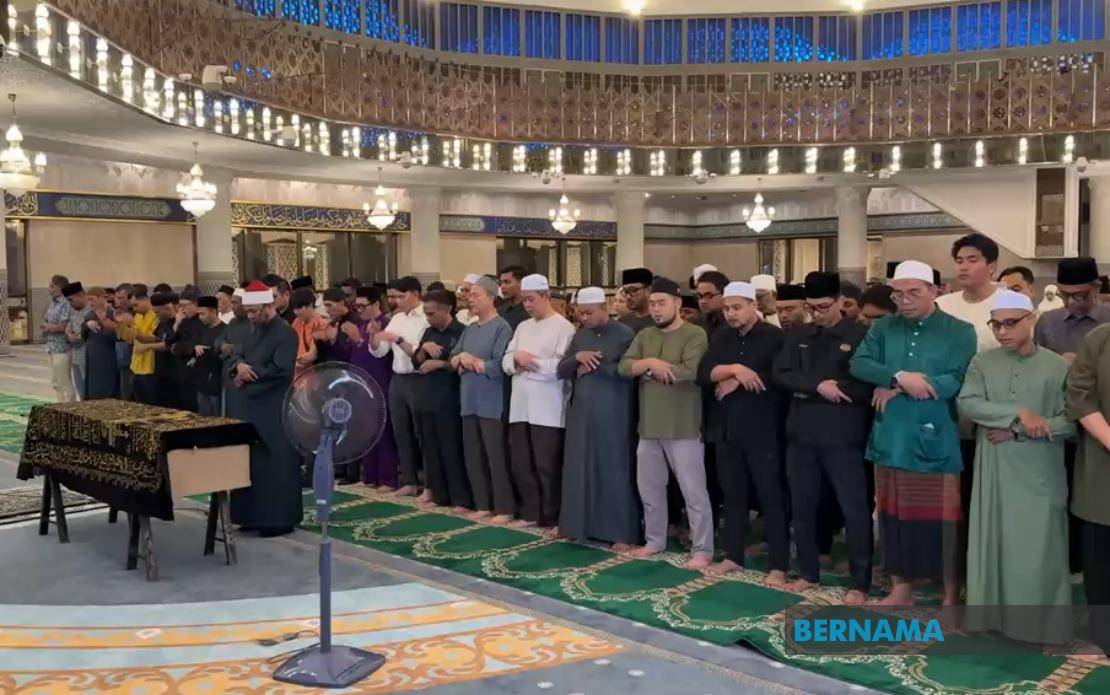
The final respects for Datuk Kamil Misuari, husband of Women, Family and Community Development Minister Datuk Seri Nancy Shukri, took place at Kuala Lumpur's National Mosque on the evening of June 18, with funeral arrangements proceeding swiftly to accommodate the family's decision to transport his remains back to Sarawak for burial. The ceremonial procedures began at Ampang Hospital, where the body underwent ritual washing at 9 pm before being solemnly conveyed to the mosque an hour later to allow his immediate family and close associates to observe the customary final viewing.
According to a statement released by the Office of the Minister of Women, Family and Community Development, the funeral prayers commenced at 10:50 pm, following Islamic tradition. The coordinated timing reflected careful logistical planning, with arrangements made to transport Kamil's remains directly to Kuala Lumpur International Airport by 11:20 pm, ensuring the evening flight to Sarawak would proceed without delay. This compressed timeframe, while respectful of Islamic funeral customs that prioritise swift burial, also accommodated the family's desire to conduct final rites in the nation's capital before returning to their home state.
A significant gathering of dignitaries and family members assembled at Ampang Hospital throughout the evening, underscoring the prominence of Nancy Shukri's ministerial position within the government structure. Education Minister Fadhlina Sidek joined close family members in paying condolences, reflecting the broader bonds of solidarity that exist within Malaysia's political establishment. The presence of high-ranking officials demonstrated both personal respect for the family and the weight of government recognition during this period of mourning.
Kamil had been hospitalised since the previous Friday, with his health deteriorating markedly during the afternoon hours preceding his death. The week-long admission, though relatively brief, had allowed family members to maintain vigil at his bedside throughout what would prove to be his final days. The sudden deterioration in his condition highlighted the unpredictable nature of medical crises, even within Malaysia's well-equipped healthcare facilities.
The funeral proceedings bore particular significance given Nancy Shukri's responsibilities as the minister overseeing women, family, and community development—a portfolio that inherently positions her as a national figure in matters relating to family welfare and social cohesion. Her personal loss, therefore, resonated within the broader context of her public duties, illustrating how personal tragedy can intersect with public responsibility in the lives of senior government officials.
Family members travelled from multiple locations to be present during this period. Relatives from Lahad Datu in Sabah made the journey to Kuala Lumpur to participate in the funeral arrangements and pay their final respects, demonstrating the family's geographically dispersed nature and the importance of gathering during times of significant loss. The coordination required to bring together extended family members from different states, combined with the formal governmental procedures involved, necessitated careful planning and execution.
The decision to conduct funeral prayers at the National Mosque, rather than at a neighbourhood or state mosque, carried particular weight. As Malaysia's primary mosque and a symbol of national Islamic identity, the venue underscored the family's standing and provided a solemn, dignified setting befitting the minister's status within government. The mosque's central location also facilitated attendance by government colleagues and other mourners who wished to offer condolences.
For Nancy Shukri, balancing her ministerial responsibilities with personal bereavement represents a significant challenge. Her portfolio encompasses crucial areas including gender equality, family support services, and community development initiatives—all spheres where her leadership remains important even during periods of personal hardship. The event serves as a reminder of the human dimension behind Malaysia's public figures, who navigate both private sorrows and demanding professional obligations simultaneously.
The transportation of Kamil's remains to Sarawak reflects the family's decision to conduct burial in their home state according to their personal and cultural preferences. This arrangement, while logistically complex given the distance between Kuala Lumpur and Sarawak and the need to coordinate airline operations with funeral preparations, honours traditions that many Malaysian families maintain regarding returning deceased loved ones to their ancestral homelands for final interment.
The incident also highlights the accessibility and responsiveness of Malaysia's national institutions during times of family crisis. The coordination between Ampang Hospital, the National Mosque, airport authorities, and government offices demonstrated the capacity of public institutions to facilitate dignified funeral procedures for prominent citizens. This seamless coordination, though often taken for granted, represents an important aspect of how the state supports its citizens during periods of grief and transition.

