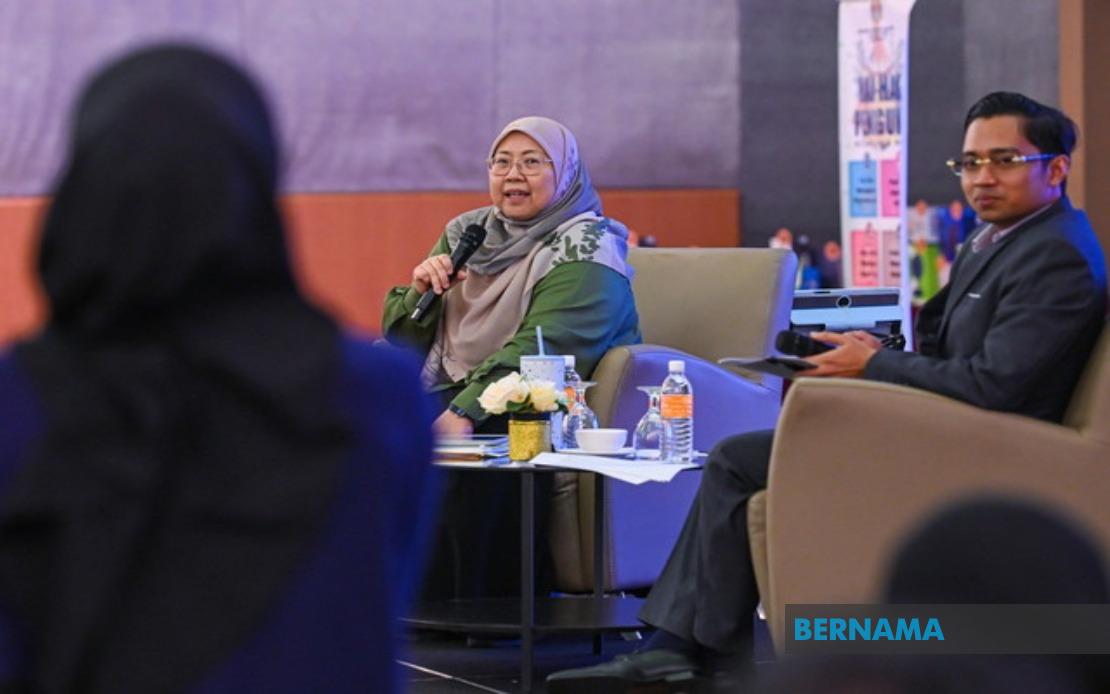
With Negeri Sembilan's state election just weeks away, the Pakatan Harapan coalition is banking on strong voter sentiment and effective ground mobilisation to retain control of the state administration. PKR secretary-general Datuk Dr Fuziah Salleh conveyed optimism about the coalition's campaign machinery and candidate performance during a town hall engagement with university students in Seremban on July 24, signalling that party strategists believe they have built sufficient momentum heading into the final stretch before polling day on August 1.
Fuziah's remarks underscore the critical role that grassroots coordination plays in state-level elections across Malaysia. The PKR leader highlighted that feedback from voters in both rural and urban constituencies has been encouragingly receptive to the coalition's messaging. This bifurcated approach—addressing rural livelihoods and community infrastructure in agricultural areas while emphasising local governance priorities in towns and cities—reflects a nuanced campaign strategy designed to resonate with diverse voter concerns across Negeri Sembilan's varied demographics.
The coalition's confidence appears anchored substantially in the eight-year tenure of Menteri Besar Datuk Seri Aminuddin Harun, who is contesting the Linggi state seat under the PH banner. Fuziah attributed the positive reception to tangible development outcomes and policy performance during the government's current administration. Her invocation of voter satisfaction with service delivery suggests that PH believes its incumbency advantage—particularly if state infrastructure, healthcare, education, and economic initiatives are perceived as successful—will prove decisive in persuading constituents to renew their mandate.
The timeline for the election cycle indicates that early voting is scheduled for July 28, providing absentee voters and those with legitimate impediments to participate ahead of the main polling date on August 1. This staggered voting arrangement is standard in Malaysian elections and typically accommodates public sector workers, security personnel, and other essential workers who may have scheduling conflicts. The four-day gap between early and general voting also allows for logistical verification and ensures that all ballot papers and materials are properly distributed to polling stations.
For Malaysia's political landscape more broadly, Negeri Sembilan represents a significant testing ground for Pakatan Harapan's continued relevance at the state level. Since the 2022 general election, the coalition has faced variable fortunes across different state assemblies, with some jurisdictions experiencing erosion of support while others have consolidated PH's position. The Negeri Sembilan contest therefore carries implications beyond state governance, potentially signalling broader voter sentiment toward the federal coalition or revealing demographic shifts in electoral behaviour that could influence future contests.
The university town hall engagement that Fuziah attended also highlights a strategic focus on younger voters, a demographic that has demonstrated significant political engagement in recent Malaysian elections. Student-majority constituencies and university towns have become pivotal swing zones in state elections, particularly where concerns about employment prospects, education quality, and cost of living intersect with questions about governance competence. PH's deliberate outreach to this segment suggests an awareness that university students and young professionals represent both swing voters and potential multipliers of campaign messaging through social networks.
Pakatan Harapan's ground coordination mechanisms have evolved considerably since the 2018 general election that first brought the coalition to power federally. The party's emphasis on well-calibrated campaign machinery implies investment in data analytics, voter contact strategies, and volunteer coordination. In an era where Malaysian elections have become increasingly competitive and where even modest swings in voter turnout or sentiment can determine seat outcomes, the operational efficiency of party machinery at the constituency level often proves as consequential as national-level policy announcements or leadership dynamics.
Fuziah's public optimism should be contextualised within the broader competitive environment facing PH. State elections in Malaysia frequently see tactical voting, where voters support different coalitions at state versus federal levels depending on local governance priorities. Negeri Sembilan has not been immune to such dynamics, and the coalition cannot assume that federal-level support automatically translates into robust state assembly results. The party's messaging therefore attempts to ground its campaign in demonstrable state-level achievements rather than relying solely on federal reputation or national leadership personalities.
The Aminuddin Harun administration's tenure provides specific governance metrics that PH campaigns can reference: infrastructure development, financial management, social welfare provision, and regulatory effectiveness are all measurable dimensions of state performance. By anchoring its campaign in these tangible outcomes rather than ideological abstractions, Pakatan Harapan aims to convince swing voters that continuity of the current administration serves their material interests and community wellbeing more effectively than alternatives.
Looking ahead to August 1, multiple variables will influence the final outcome in Negeri Sembilan. Voter turnout patterns, campaign developments in the final weeks, candidate quality and local popularity, and any late-breaking political developments at the national level could all affect results. Fuziah's expressed confidence in campaign mechanics and voter reception suggests that PH believes it has positioned itself competitively, though Malaysian state elections frequently produce surprises that confound pre-election expectations and pundit assessments.

