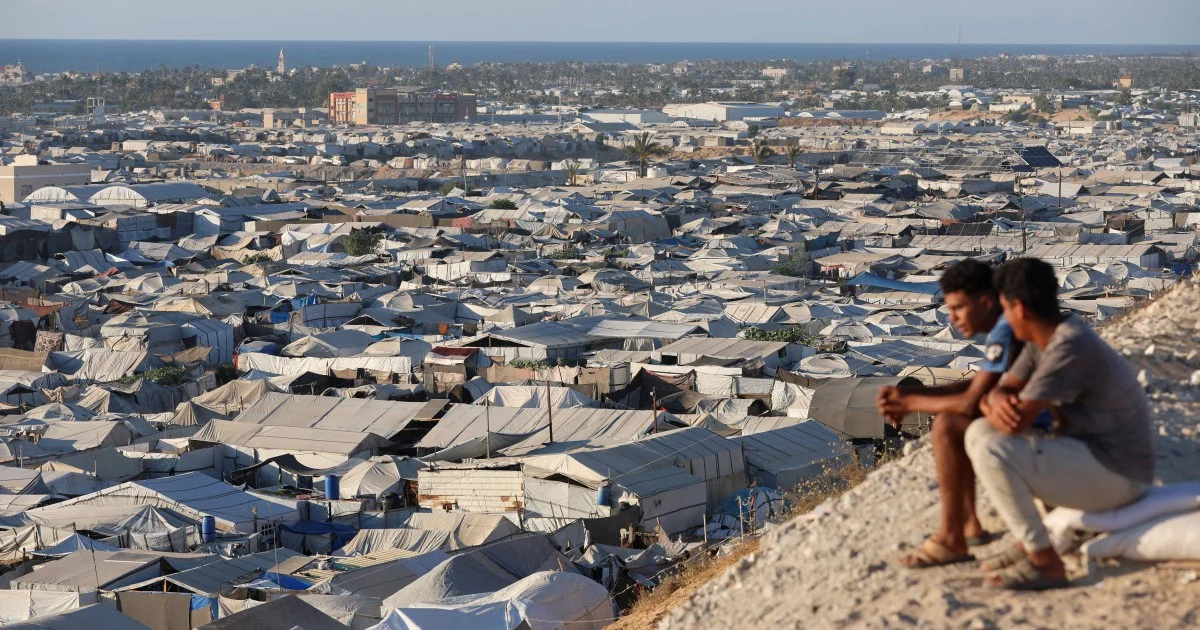
The United Nations delivered a scathing assessment of the ceasefire in Gaza today, characterizing it as a 'deadly illusion' that has fundamentally failed to protect civilians. Speaking from Geneva, UN officials highlighted a grim reality that contradicts the official cessation of hostilities declared more than eight months ago: at least 265 children have been killed during the period supposedly marked by peace, underscoring the persistent violence plaguing the embattled Palestinian territory.
This stark indictment from the world body points to a humanitarian crisis that continues unabated despite international diplomatic efforts to broker lasting peace. The sustained loss of young lives reveals a fundamental breakdown in the mechanisms supposedly designed to safeguard vulnerable populations when active warfare theoretically ceases. The UN's characterization of the ceasefire as illusory suggests that the distinction between declared peace and on-the-ground reality in Gaza remains tragically wide, with ordinary civilians—particularly children—bearing the heaviest cost of this disconnect.
For Malaysian observers and policymakers, the situation underscores the enormous gulf between international agreements and their practical implementation in conflict zones. The experiences in Gaza demonstrate how ceasefire declarations, while celebrated as diplomatic achievements, may obscure rather than resolve underlying security concerns and factional tensions. This pattern has relevance across Southeast Asia, where multiple frozen conflicts and disputed territories require careful negotiation and sustained oversight to prevent similar cycles of apparent peace masking continued violence.
The presence of 265 dead children within an eight-month period challenges the very definition of what constitutes a ceasefire in contemporary conflicts. Traditional understandings of ceasefire arrangements presumed near-complete cessation of combat operations, yet modern asymmetric conflicts often involve fragmented actors, disputed territorial control, and unclear command structures that complicate the enforcement of peace agreements. The continued casualties suggest that whatever arrangement was reached has failed to establish sufficient mechanisms for accountability, de-escalation, or protection of civilian populations.
UNICEF's role in documenting and publicizing these deaths reflects the increasingly important function that international humanitarian organizations play in bearing witness to suffering that might otherwise be minimized or denied. The agency's decision to label the ceasefire a deadly illusion represents a significant statement from a body typically focused on technical humanitarian delivery rather than political commentary, indicating the severity of the situation that prompted such language.
The data regarding children's deaths carries particular weight in international discourse because it cuts through political rhetoric and speaks to fundamental questions of protection and governance. Children cannot participate in armed conflict as combatants, making their deaths unambiguous casualties of violence rather than contested military casualties. This fact amplifies the moral dimensions of the UN's assessment and pressures parties to the conflict toward more genuine commitments to civilian safety.
The eight-month timeframe is significant in understanding the trajectory of violence since the ceasefire. This extended period suggests that the killing has not been isolated incidents or final operations, but rather reflects an ongoing pattern of mortality that persists in the absence of genuine peace mechanisms. The distinction matters for understanding whether the ceasefire represents an incomplete step toward eventual peace or whether it has become a permanent state of low-intensity conflict disguised as peace.
For the international community and neighboring nations in the Middle East and beyond, including Malaysia as a nation with significant humanitarian interests in Palestine, the UN's assessment raises difficult questions about the viability of current diplomatic approaches. If ceasefire agreements prove insufficient to protect children and civilians, renewed consideration of the underlying political issues and structural causes of violence becomes imperative. The continued deaths suggest that temporary pauses in fighting, without addressing root causes of conflict, may offer only the appearance of progress rather than genuine humanitarian improvement.
The human toll documented by the UN also reflects the broader challenge facing countries attempting to mediate Middle Eastern disputes or support humanitarian causes in the region. Malaysia's engagement with Palestinian issues, whether through diplomatic channels or humanitarian aid, occurs within this complex context where official agreements and lived reality diverge substantially. Understanding this gap becomes essential for crafting policies that genuinely contribute to civilian protection and durable peace rather than merely endorsing international agreements that fail in practice.
Moving forward, the UN's characterization of the ceasefire as deadly illusion signals that international stakeholders must demand more robust verification mechanisms, clearer accountability structures, and more substantial investments in addressing underlying grievances and power imbalances. Without such measures, future ceasefire declarations risk repeating the same pattern: international celebration of agreements followed by persistent civilian suffering. For Malaysia and other concerned nations, the lesson from Gaza is that ceasefire monitoring and humanitarian protection require sustained engagement and willingness to challenge inadequate arrangements, regardless of diplomatic sensitivities.

