Ghana will proceed with their World Cup Group L encounter against Panama with or without midfielder Thomas Partey, coach Carlos Queiroz declared on Tuesday as a Canadian federal court considered an appeal of the country's decision to bar the player from entering. The match is scheduled for Wednesday at Toronto Stadium, creating a race against time to resolve the eligibility dispute that threatens to disrupt Ghana's tournament preparations.
Partey, who plays for Spanish club Villarreal, has faced allegations of rape and sexual assault in Britain, accusations he has firmly denied. His inability to travel with the Ghana squad to Canada represents a significant setback for a team preparing to compete at the highest level of international football. The legal proceedings underscore the intersection of sports governance and criminal proceedings, a tension that occasionally surfaces in major tournaments when players face serious allegations during competition windows.
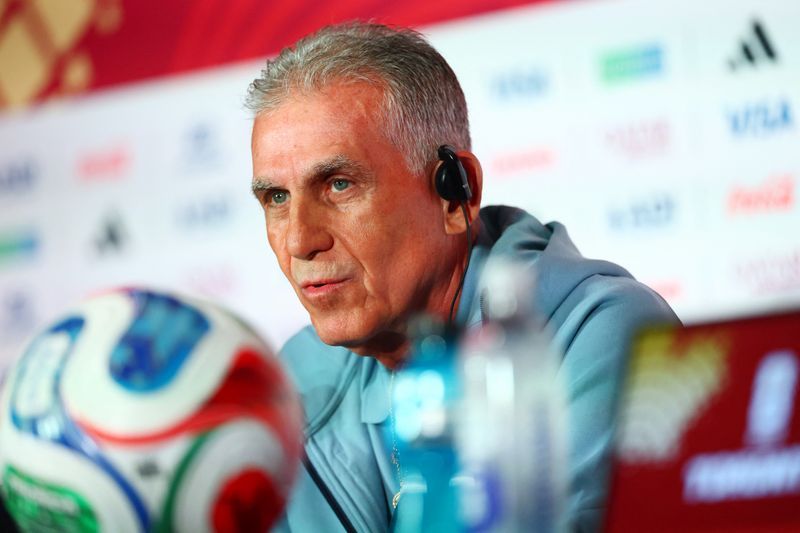
Queiroz's measured response reflected a coach accustomed to navigating complex situations across multiple football cultures. Speaking at a press conference, the 73-year-old Portuguese tactician emphasised that speculation about Partey's case served little purpose to his immediate objectives. "To add more comments about issues that are nonsense is not part of my business," Queiroz stated, redirecting the conversation toward tactical preparation. This pragmatic stance suggested a recognition that dwelling on circumstances beyond his control would only distract from the preparations required to mount a credible challenge.
The Ghana coach outlined a squad already stocked with considerable talent and experience, countering any narrative of weakness caused by Partey's potential absence. Queiroz highlighted his team's pace, technical ability, and one-on-one defensive capabilities as weapons that could be deployed effectively against Panama. His confidence reflected the depth available within the Ghana squad and an implicit acknowledgment that while Partey's loss would be felt, it need not be fatal to campaign ambitions.
Panama, whom Queiroz characterised as a well-organised and tactically experienced opponent, would present the kind of structured defensive challenge that typically requires careful preparation and execution. However, the Ghana coach identified potential vulnerabilities within Panama's setup that his team could exploit. This scouting assessment suggested Ghana had invested time in understanding their opponents' tendencies and had developed strategic responses accordingly. Such preparation is standard at World Cup level but requires meticulous execution against disciplined opponents.
The broader context of Ghana's World Cup participation carries significance throughout West Africa and the Caribbean, where the nation maintains deep cultural and sporting ties. Ghana's performance has regional implications, with supporters across the diaspora invested in the team's success. The emergence of eligibility disputes during competition casts an unfortunate shadow over what should be a celebration of African football's highest representative teams competing on the world stage.
Queiroz's tenure with Ghana represents his latest high-profile managerial appointment. The veteran coach has managed at the highest levels of European and South American club football, as well as with national teams, bringing extensive tournament experience to the African nation. His calm demeanour under pressure and refusal to be drawn into peripheral controversies reflected a seasoned professional focused on delivering results within the parameters available to him.
The question of mandatory hydration breaks introduced at the tournament also occupied Queiroz's attention during his media obligations. He expressed scepticism about the innovation, suggesting that FIFA's decision-making process warranted scrutiny. Queiroz called for transparency regarding whether such measures genuinely prioritised player welfare or served other commercial interests. This critique reflected legitimate concerns within the coaching fraternity about tournament regulations and their underlying motivations, a debate that has rumbled through international football circles for several years.
FIFA's evolving approach to player health and safety has generated periodic controversy among coaches and federation officials. Hydration breaks, while superficially reasonable, introduce tactical complications and potentially favour certain teams over others depending on climatological conditions and squad depth. Queiroz's call for post-tournament integrity reporting represented a reasonable request for accountability and data-driven evaluation of new rules' actual impact on the competition.
With the Canadian court decision pending and match day looming, Ghana faced an unusual situation where external legal processes directly threatened team preparation. Regardless of the outcome, Queiroz had committed his squad to delivering a competitive performance. This public declaration of readiness served multiple purposes: reassuring supporters, deflating potential excuses, and establishing a psychological baseline of confidence. Whether Partey would ultimately be available remained uncertain, but Ghana's resolve appeared firmly set.
The situation exemplified the complex intersection of sport and law that occasionally disrupts international competitions. While players deserve due process in addressing serious allegations, the timing creates genuine hardship for teams and individuals caught in such circumstances. Ghana would proceed methodically toward Panama, knowing that their World Cup hopes would be determined on the pitch rather than in courtrooms, regardless of which players eventually took the field.