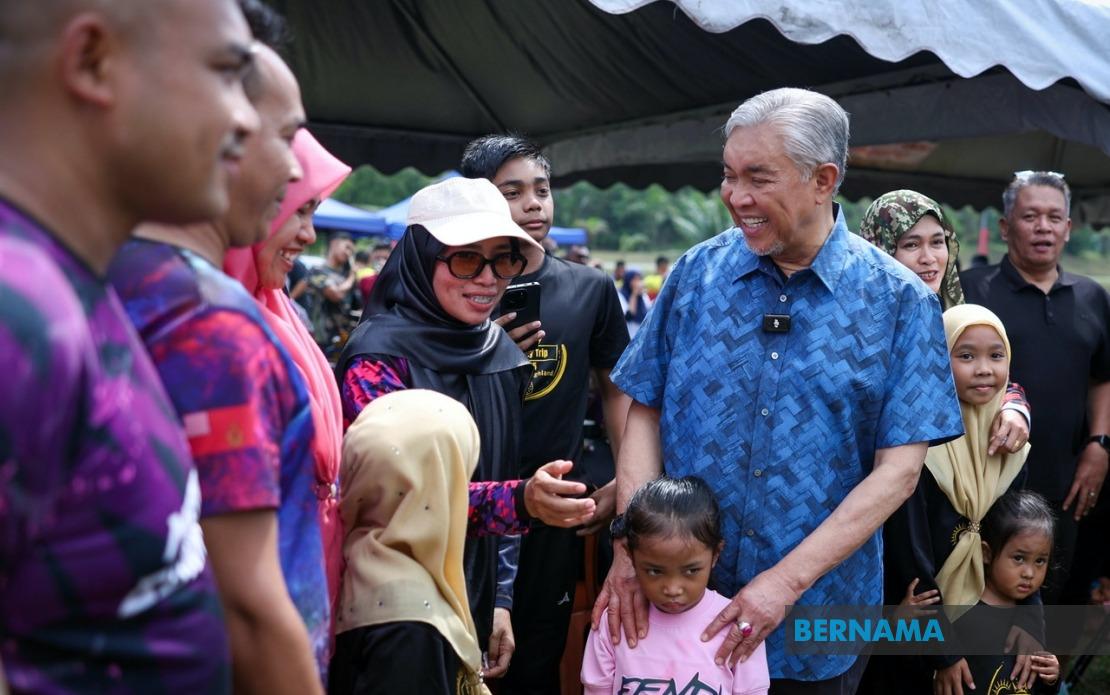
The Malaysian government views the welfare of military personnel and their families as fundamental to national security strategy, Deputy Prime Minister Datuk Seri Dr Ahmad Zahid Hamidi declared while attending the Southern Zone Armed Forces Family Day Carnival at Kem Syed Sirajuddin in Gemas. By ensuring service members have stable housing, quality education for their children, and comprehensive family support systems, the government aims to allow troops to concentrate on their core mandate of protecting the nation without personal or domestic distractions weighing on their minds.
Ahmad Zahid outlined several concrete initiatives that demonstrate this commitment beyond rhetoric. The construction of 1,300 Military Family Housing (RKAT) units at Kem Syed Sirajuddin in Gemas represents a substantial infrastructure investment designed to provide serviceable accommodation for military families across the region. Alongside housing development, the government has focused on education improvements, including safer and more appropriate transportation arrangements for children attending school. These measures reflect recognition that military effectiveness depends not solely on equipment and training, but equally on the psychological and social stability of personnel and their dependents.
The Deputy Prime Minister emphasised that honouring military sacrifices requires sustained, tangible action rather than occasional acknowledgment. Armed Forces members have historically borne the burden of defending national sovereignty during periods of armed conflict whilst maintaining peacetime security and public order. This ongoing responsibility, Ahmad Zahid suggested, demands that government reciprocate through deliberate policies that reduce non-operational stress and free service personnel to perform their duties with enhanced focus and morale.
Prime Minister Datuk Seri Anwar Ibrahim had previously reinforced this message, allocating RM844 million under this year's housing services budget specifically for upgrading and developing military family accommodation nationwide. This figure encompasses not only new construction projects such as the Gemas housing development but also essential infrastructure enhancements at existing military installations. The budget commitment signals sustained investment rather than one-off expenditure, suggesting a multi-year programme to modernise military living standards across all regional camps.
The Gemas project exemplifies how central government planning translates into regional development benefits. As one of Malaysia's larger military housing initiatives, the 1,300-unit programme will accommodate thousands of service members and their families while establishing new residential infrastructure in Negeri Sembilan. Such projects generate construction employment, stimulate local commerce, and anchor military presence within civilian communities, creating interconnected economic and social benefits beyond the military sector proper.
Education support represents another layer of the government's strategic approach to military welfare. When children of service personnel attend quality schools with reliable transportation, parental anxiety diminishes and workplace concentration improves. This perspective reflects modern human resources thinking applied to military contexts, recognising that personnel wellbeing directly influences operational effectiveness. Malaysia's commitment here aligns with international military practices in developed nations where family support is regarded as integral to force readiness.
The Southern Zone Family Day Carnival at which Ahmad Zahid spoke provides a symbolic venue for communicating these policies directly to affected communities. Attended by Army Chief General Tan Sri Azhan Md Othman alongside other senior military officials, the event demonstrates institutional alignment between political leadership and military command in prioritising personnel welfare. Such visible engagement signals to service members that their sacrifices receive genuine recognition from the highest levels of government.
For Malaysian Armed Forces personnel, these announcements carry particular resonance given the evolving security environment across Southeast Asia. Regional challenges ranging from transnational terrorism to maritime disputes require sustained military readiness and personnel retention. Countries competing for regional influence recognise that professional militaries depend on attractive career prospects and family security. By investing substantially in military welfare, Malaysia signals its commitment to maintaining force quality and retention in competition with regional defence establishments.
The broader policy framework situates military personnel welfare within national development strategy. Stable, contented armed forces contribute to the stable governance environment that attracts investment and supports economic growth. Conversely, military discontent and family hardship can destabilise domestic politics and distract from security missions. The government's emphasis on housing, education, and holistic family support therefore represents an investment in national stability alongside recognition of individual service members' contributions.
These initiatives carry particular meaning for military families in Negeri Sembilan and surrounding regions where Kem Syed Sirajuddin serves as a major installation. Housing shortages and educational access challenges that affect many Malaysian communities impact military families with particular acuteness given geographical posting requirements and modest military salaries. The 1,300 new units and improved transport arrangements directly address longstanding grievances within the Armed Forces community, potentially strengthening recruitment and retention in coming years.
The government's welfare agenda extends to recognising retired personnel who have completed their service but retain ongoing needs. Prime Minister Anwar's acknowledgment of both serving and retired military personnel demonstrates comprehensive approach spanning active-duty support through retirement transition. This recognition reflects understanding that military service generates lifelong commitments requiring sustained government responsibility, not merely transactional compensation for active employment.
Moving forward, sustaining these commitments will require consistent budget allocation and implementation rigour beyond announcements. The RM844 million housing budget and ongoing infrastructure projects signal serious intent, yet execution challenges in construction, quality assurance, and family integration require continued oversight. Military communities will assess government credibility through delivery timelines and whether promises translate into functional, well-maintained housing and educational facilities that genuinely enhance family wellbeing rather than serve primarily symbolic purposes.

