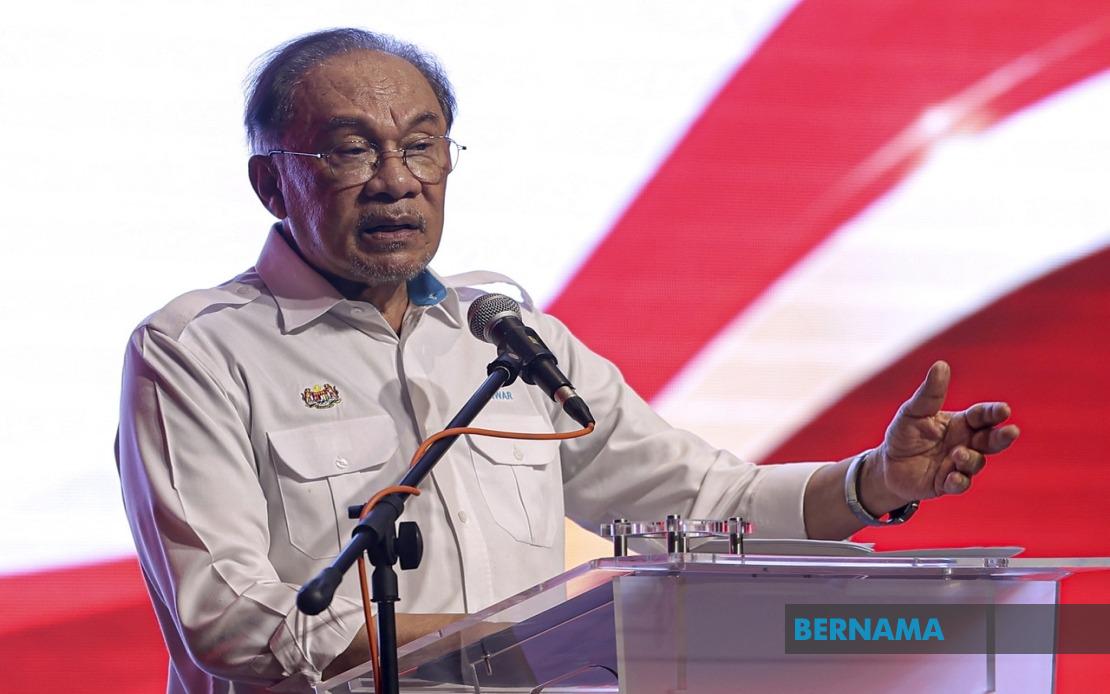
Malaysia's return to the Formula One calendar represents far more than a sporting milestone—it embodies a deliberate attempt to democratise access to world-class international events. Prime Minister Datuk Seri Anwar Ibrahim signalled this commitment during a gathering with Negeri Sembilan community leaders by confirming the government is actively examining the introduction of discounted MADANI tickets for the Gulf Air Bahrain Grand Prix, scheduled for early October at Sepang International Circuit. The initiative directly reflects the Malaysia MADANI framework, which prioritises inclusivity and public welfare in the execution of large-scale national and international endeavours.
Anwar's frank acknowledgment of pricing limitations reveals pragmatic thinking about spectator expectations. Acknowledging public requests for accessible ticket options, he stated candidly that reduced-price MADANI tickets would necessarily come with trade-offs—purchasers would occupy seats further from the main racing action rather than premium front-row positions. This transparent approach to managing expectations suggests the government recognises that symbolic inclusion matters as much as actual attendance. By explicitly communicating the parameters of affordable access, policymakers avoid the pitfall of creating false impressions while still extending opportunity to broader segments of the population who might otherwise never experience a Formula One event.
The economic rationale underpinning F1's return to Malaysia extends well beyond race day revenues or ticket sales. Anwar emphasised that hosting this championship-calibre event would generate multiplier effects across interconnected sectors including tourism, aviation, hospitality, and retail commerce. Thousands of international visitors, support crews, media personnel, and racing teams will descend on the Klang Valley region, occupying hotel rooms, purchasing meals, utilising ground transport, and engaging with local attractions. Airlines including Malaysia Airlines and AirAsia will experience heightened passenger demand, while tourism operators gain exposure through global broadcasting of the event to hundreds of millions of viewers worldwide.
Malaysia's selection as host venue carries strategic significance in the international motorsports arena. The Prime Minister noted that despite numerous countries competing for F1 hosting rights, Malaysia distinguished itself through three key attributes: a reputation for stability and peaceful governance, a demonstrably robust economic foundation, and deeply rooted diplomatic relationships with major global powers. These factors collectively reduced the perceived risk associated with staging such a high-profile, logistically complex international spectacle. In an era when geopolitical tensions and economic uncertainties influence major event hosting decisions, Malaysia's positioning as a reliable, secure venue represents a competitive advantage worth leveraging.
The hiatus in Malaysian F1 racing underscores the financial pressures facing host nations. The Sepang International Circuit successfully managed the Malaysian Grand Prix from 1999 to 2017, establishing itself as a professional racing venue and tourist attraction. However, escalating hosting costs and increasingly expensive Formula One licensing fees rendered the annual event financially unsustainable within the existing economic model. This nine-year absence from the calendar—from 2018 until the October 2025 Bahrain GP—reflects the difficult calculations that nations must undertake when weighing international prestige against budgetary constraints. The government's decision to return to F1 hosting therefore signals confidence that broader economic gains and enhanced national visibility justify the investment required.
The Malaysia MADANI framework provides more than rhetorical cover for the F1 initiative—it establishes a philosophical foundation for how major events should be conceived and executed. Rather than viewing international spectacles as exclusive affairs benefiting only the wealthy, the framework insists that national signature events should extend opportunities and generate tangible advantages for ordinary citizens. Applied to F1, this means moving beyond simply hosting the race toward ensuring that Malaysian communities derive genuine value through employment, business opportunities, skills development, and democratic access to the experience itself. The MADANI ticket concept epitomises this approach.
From a broader regional perspective, Malaysia's F1 return positions Southeast Asia as a competitive destination within global motorsport calendars. The region's motorsport infrastructure has expanded substantially in recent years, yet high-profile Formula One events remain concentrated in a limited number of venues. Malaysia's re-entry signals that the country possesses the organisational capacity, infrastructure quality, and governmental commitment required to stage premier international competitions. This capability enhances Malaysia's overall brand positioning for bidding on other major sporting, cultural, and commercial events in subsequent years.
Implementation of affordable MADANI tickets does pose genuine logistical and financial challenges. Organisers must determine appropriate pricing thresholds that remain commercially viable while genuinely expanding access. They must devise seating allocation systems that balance equity with revenue optimisation. They must manage crowd flow and safety considerations across different ticket tiers occupying various circuit locations. These operational complexities explain why Anwar framed the initiative as still under government study rather than confirmed policy. Nevertheless, the public articulation of this commitment signals intention to pursue innovative solutions rather than defaulting to conventional premium-pricing models that restrict attendance to affluent spectators.
The timing of the October event—occurring during Malaysia's school holiday period and approaching the year-end season—suggests potential for strong domestic attendance if ticket pricing and accessibility prove favourable. Families seeking memorable experiences, motorsport enthusiasts, and casual sports fans might collectively generate substantial local audience numbers if barriers to attendance diminish. This domestic engagement transforms the event from a tourism-focused enterprise into a genuine national celebration of Malaysia's return to the F1 stage.

