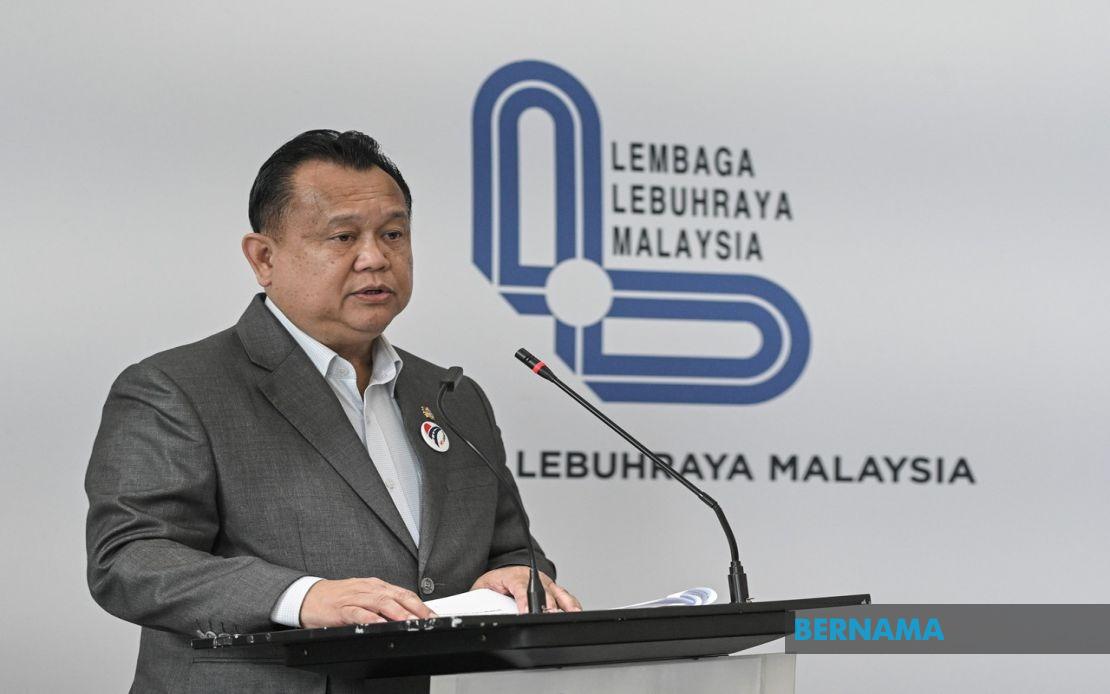
The Malaysian government has committed RM25.2 million towards a comprehensive road safety initiative designed to illuminate 32 high-risk stretches of highway across the country. Works Minister Datuk Seri Alexander Nanta Linggi announced the project on June 23, which forms part of the broader MADANI Monitoring programme aimed at reducing fatal accidents on Malaysia's road networks. The initiative represents a substantial investment in infrastructure improvements that directly address one of the nation's most pressing public safety concerns.
The project encompasses the installation of approximately 3,000 light poles equipped with solar-powered LED technology at locations identified as particularly vulnerable to road accidents. These strategic placement points have been selected based on historical accident data and traffic analysis, ensuring that resources are directed towards areas where they will have the maximum protective impact. The solar-powered component of the lighting system offers both environmental and operational advantages, reducing reliance on the electrical grid whilst minimising long-term maintenance costs through renewable energy utilisation.
The Works Ministry coordinated this initiative with the Finance Ministry and the Malaysian Highway Authority (LLM) in direct response to Prime Minister Datuk Seri Anwar Ibrahim's budget announcement made in October of the previous year. The Prime Minister had originally flagged RM30 million for this purpose within the 2026 Budget framework. The current allocation of RM25.2 million represents the first tranche of funding, with Nanta indicating that the remaining resources will be released as project requirements are reassessed following completion of this initial phase.
According to Nanta, the government views road safety as a matter of critical national importance, warranting proactive interventions that extend beyond reactive emergency response measures. The allocation of substantial capital towards environmental lighting improvements reflects a recognition that inadequate visibility during evening and night-time hours contributes significantly to the occurrence and severity of highway accidents. By addressing this infrastructure gap at the 32 most problematic locations, the authorities hope to establish a measurable baseline for assessing the effectiveness of improved lighting in reducing collision rates.
The contractor selected for this project received formal notification through the Letter of Acceptance (SST) handover ceremony, clearing the way for immediate commencement of on-site construction activities. This procedural step marked a critical milestone in the project timeline, ensuring that mobilisation of equipment and labour could proceed without further administrative delays. The transparency of the procurement process and the structured handover protocol demonstrate the government's commitment to maintaining standards of accountability in public infrastructure projects.
The completion timeline established for the project targets the end of November 2024, providing a compressed schedule that reflects the urgency attached to addressing highway safety concerns. This aggressive timeline necessitates coordinated efforts among contractors, supply chain partners, and highway authorities to manage logistics and installation across 32 separate locations while minimising disruption to traffic flow. The scheduling also aligns with seasonal considerations, as completing the project before the year's end allows for adequate testing and adjustment periods before the peak festive season travel period.
For Malaysian road users, particularly those who frequently traverse highways during evening and night hours, this development carries significant implications for personal safety. The installation of additional lighting infrastructure at accident-prone zones addresses a fundamental hazard that has claimed numerous lives and caused serious injuries across the nation's highways. Commercial transport operators, delivery services, and commuters stand to benefit directly from enhanced visibility that reduces the risk of collisions caused by poor lighting conditions.
The regional implications of this initiative extend beyond Malaysia's borders, as the country's approach to integrating renewable energy technology with public safety infrastructure may serve as a model for neighbouring Southeast Asian nations facing similar road safety challenges. The use of solar-powered systems demonstrates a commitment to sustainability whilst solving critical infrastructure needs, an approach increasingly valued across the region. The project's success in reducing accidents could inform future policy decisions across the region regarding investment priorities in transportation safety.
The phased funding approach employed for this project suggests a pragmatic governmental strategy that balances the desire for comprehensive coverage with fiscal prudence. Rather than committing all resources simultaneously, the Works Ministry has opted to evaluate outcomes from the initial 32 locations before determining the scope and scale of subsequent expansion phases. This evidence-based methodology reduces the risk of investing heavily in a single approach without confirming its effectiveness through measurable results.
Stakeholders in the transportation and logistics sectors have long advocated for enhanced infrastructure investments aimed at improving highway safety standards. This allocation represents acknowledgment of those concerns and signals governmental willingness to translate policy priorities into tangible capital investment. The project also creates employment opportunities during the construction phase and generates ongoing technical maintenance requirements, contributing modest economic benefits across multiple sectors.
Moving forward, the success of this initiative will likely be measured through accident statistics, injury reduction rates, and traffic fatality figures compiled by the authorities over the months and years following project completion. The data collected will determine whether the government proceeds with expansion of the programme to additional highway locations or adjusts the technology and implementation approach based on observed outcomes. The availability of real-world performance data from this initial phase will prove invaluable for optimising future road safety infrastructure investments.

