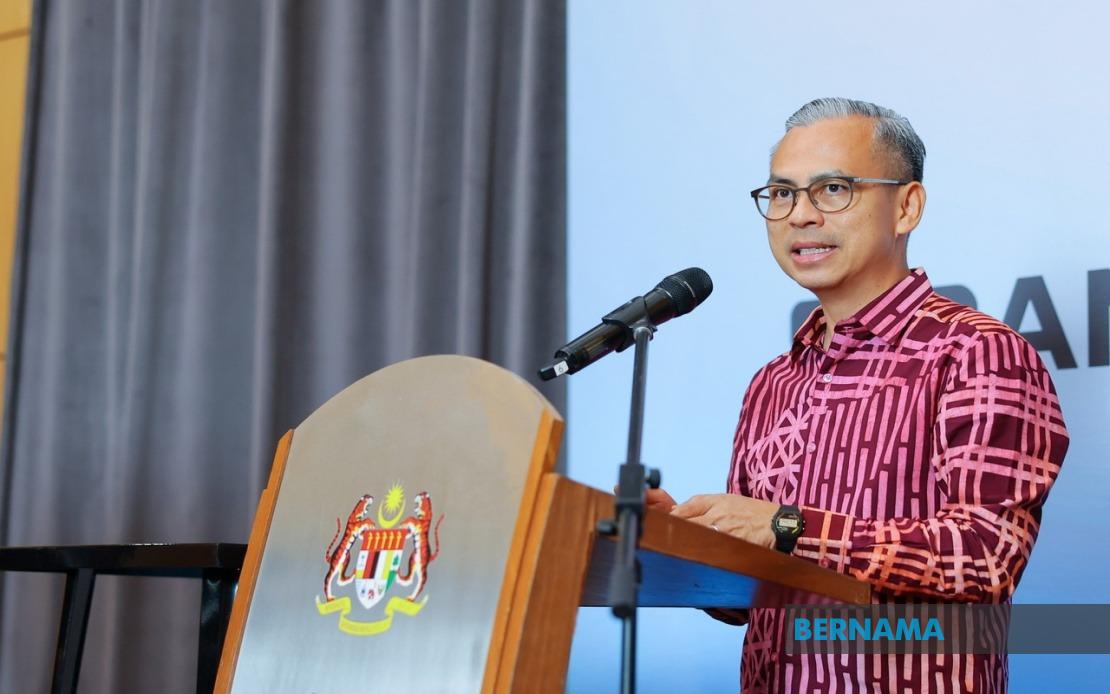
The Malaysian government has taken a significant step to curb the proliferation of online scams by establishing a dedicated cross-agency working committee and technical group, Communications Minister Datuk Fahmi Fadzil announced on July 2. The formation of this body followed deliberations during a Cabinet retreat where officials acknowledged the escalating threat posed by digital fraud crimes across the nation. With the first meeting scheduled imminently, the initiative signals a recognition that addressing cybercrime requires coordinated action across multiple sectors and government entities rather than siloed departmental responses.
What distinguishes this approach is its scope and inclusivity. For the first time, the government has formally brought together not only traditional law enforcement and regulatory agencies but also the private sector pillars that undergird Malaysia's digital economy. Banks, telecommunications companies, and major social media platforms now sit at the table alongside ministries and federal departments. This represents a fundamental shift in how the government conceptualises the problem—acknowledging that scammers operate across digital ecosystems controlled by private actors, and that meaningful progress requires partnership rather than mandate alone.
The Communications Minister framed the committee's establishment as a proactive measure designed to strengthen three critical pillars in the fight against online fraud: enforcement capacity, legal frameworks, and investigative capability. By bringing diverse stakeholders together, the government aims to identify gaps where scammers currently exploit vulnerabilities, whether in detection systems, legal grey areas, or coordination failures between agencies. The emphasis on enhancing user safety reflects growing public concern about digital crimes, which have become increasingly sophisticated and costly to victims across Malaysian society.
Fahmi deliberately chose not to unveil the committee's full strategic agenda, citing security concerns. This discretion, while potentially frustrating to transparency advocates, reflects a pragmatic understanding of asymmetric information in cybercrime contexts. Scammers actively monitor government announcements and policy developments to adapt their tactics and evade emerging countermeasures. Keeping certain operational details confidential prevents criminals from pre-emptively adjusting their methods. Nevertheless, this opacity also raises questions about public accountability and the need for meaningful disclosure once initiatives mature.
The government cited prior success with cross-agency collaboration when tackling child sexual exploitation crimes, where coordinated special operations delivered tangible results. That precedent provides some reassurance that the structural model being applied to online fraud carries demonstrated potential. However, the nature of cybercrime differs substantially from traditional organised crime or child exploitation networks. Digital fraud operates at vast scale, involves international actors, and evolves technologically at speeds that often outpace regulatory adaptation. The committee's effectiveness will ultimately depend on whether it can maintain agility and innovation matching the threat landscape.
For Malaysia's approximately 34 million citizens increasingly dependent on digital financial services, e-commerce platforms, and online banking, the stakes are considerable. Scams targeting vulnerable populations—from elderly citizens to newly employed graduates—cause not only financial losses but erode confidence in digital transactions more broadly. This has downstream economic implications, potentially slowing digital adoption and suppressing legitimate e-commerce growth. Regional competitors like Singapore and Thailand have implemented similar coordinated approaches with varying degrees of success, offering lessons about implementation challenges.
The involvement of telecommunications and banking sectors is particularly crucial given that most modern scams exploit communication channels or financial infrastructure. Banks can implement stronger authentication protocols and real-time fraud detection; telcos can flag suspicious bulk messaging patterns; and platforms can improve reporting mechanisms and content moderation. Yet coordination requires standardised data sharing, common definitions of suspicious activity, and aligned response protocols—logistical hurdles that the committee must navigate.
From an investigative standpoint, the expanded committee promises to accelerate information flows between agencies that historically operated with limited inter-departmental communication. Police cybercrime units, the Securities Commission, Bank Negara Malaysia, and the Malaysian Communications and Multimedia Authority can now align investigations, pool intelligence, and avoid duplicative efforts. This integration should theoretically enable faster victim support and prosecution timelines, though implementation success remains uncertain.
The announcement also hints at anticipated legislative developments. Fahmi mentioned that legal frameworks form part of the committee's purview, suggesting that existing statutes may prove inadequate to address evolving scam methodologies. Malaysia's legal arsenal against cybercrime—drawing from the Computer Crimes Act 1997, Communications and Multimedia Act 1998, and other instruments—may require modernisation to address novel fraud patterns and international dimensions of transnational scam operations.
For Malaysian businesses and individuals, the committee's work carries broader implications for digital trust and economic confidence. Strengthened enforcement and enhanced user protection can reduce scam-related losses, which currently cost the nation hundreds of millions of ringgit annually. However, success requires not only institutional coordination but also public cooperation—victims must report crimes, and citizens must embrace security practices even when inconvenient. The government's willingness to frontline this issue suggests recognition that addressing cybercrime is essential infrastructure for a digitally advancing economy.
The initiative arrives at a critical juncture as Malaysia pursues digital economy ambitions under frameworks like the National Digital Economy Blueprint. An unchecked scam epidemic could undermine public confidence in digital platforms precisely when policymakers aim to drive deeper digital integration across society. By convening this committee, the government has signalled that digital security and user protection are not peripheral concerns but central to the nation's economic competitiveness and social stability in an increasingly online world.

