The Malaysian government has moved to ease the financial burden on media practitioners by restoring the BUDI MADANI RON95 fuel subsidy quota to 300 litres per month, effective September 1. The decision reverses a reduction implemented in April when the quota was cut from 300 to 200 litres following tensions in West Asia. Prime Minister Datuk Seri Anwar Ibrahim announced the restoration during the National Day 2026 address at the Putrajaya International Convention Centre, stating that the change will enable approximately 16 million consumers to continue accessing subsidised RON95 at RM1.99 per litre.
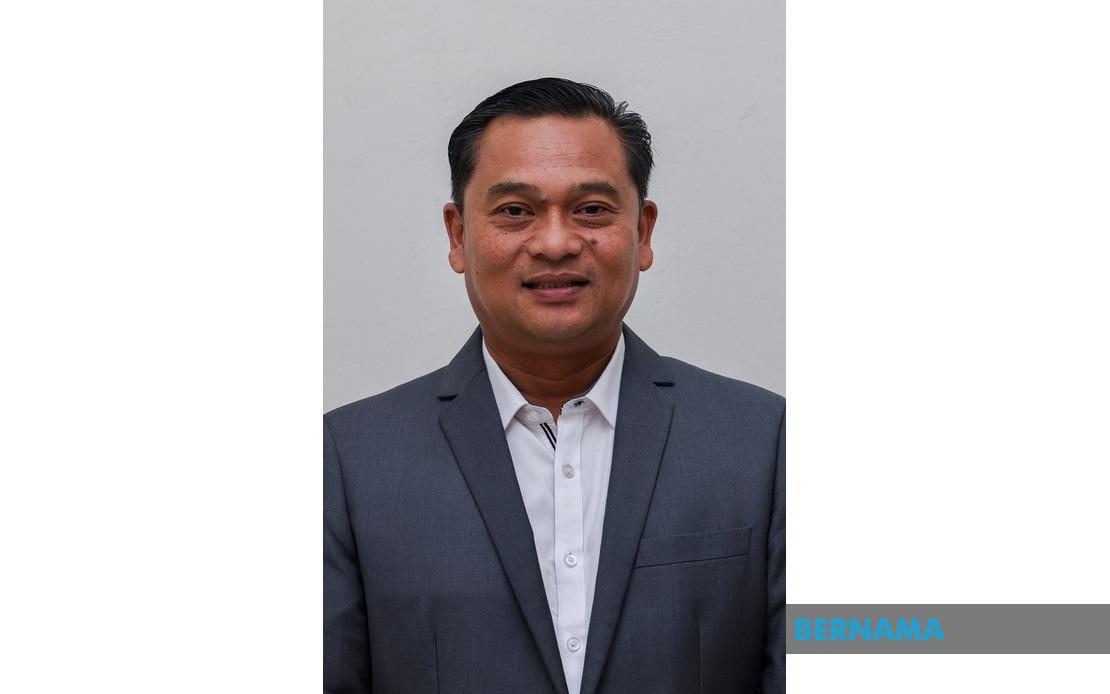
The Association of Malaysian Media Clubs (GKMM) has welcomed the announcement as a significant relief for journalists and media workers across the country. GKMM president Mohd Fauzi Ishak emphasised that the reinstatement addresses a genuine hardship faced by media practitioners, particularly those stationed outside Kuala Lumpur and other urban centres. The additional 100 litres monthly restores purchasing power that had been eroded over recent months, allowing journalists to sustain their operational capacity without dipping deeper into personal finances.
For media workers in provincial areas, the fuel quota adjustment carries particular significance. Journalists based in smaller towns and rural regions depend heavily on vehicle transportation to cover stories, attend news conferences, and maintain the daily operational requirements of their profession. The reduction to 200 litres had forced many to absorb unexpected fuel costs, effectively reducing take-home income during a period when cost-of-living pressures were already mounting. Mohd Fauzi noted that this group had voiced genuine difficulties in managing monthly expenses and had appealed directly to the government for relief.
The quota restoration underscores broader concerns about the sustainability of professional journalism in Malaysia amid rising operational costs. Media practitioners occupy a unique position in the economy—they are neither salaried government workers nor fully subsidised public servants, yet they perform essential functions in newsgathering and information dissemination that sustain democratic discourse. Travel and logistics expenses represent among the largest variable costs in their monthly budgets, often exceeding what employers provide through standard allowances. Without targeted support such as the fuel subsidy, journalists face constant pressure to either cut corners on coverage or absorb costs personally.
Beyond the immediate financial relief, GKMM has signalled broader expectations for media employers. The association called on media companies and news agencies nationwide to review their own incentive structures and allowances for editorial staff. The president suggested that organisations should introduce new support mechanisms or adjust existing benefits to account for the escalating expenses journalists now face. This appeal reflects recognition that government subsidies alone cannot address the full scope of operational pressures, and that media enterprises themselves have responsibility for sustaining their workforce's capacity to work effectively.
The decision also carries implications for the government's broader fuel subsidy architecture. Malaysia maintains one of Asia's most generous fuel subsidy regimes, with the BUDI programme targeting specific consumer groups deemed priority beneficiaries. Media practitioners, alongside healthcare workers and other essential professionals, have been included in this framework on the basis that their work serves public interest functions. The restoration to 300 litres signals that policymakers view media operations as sufficiently critical to warrant maintained support, even as subsidy budgets face competing pressures.
Contextually, the April reduction had been framed as a necessity following Middle Eastern geopolitical tensions that affected global energy markets and created budgetary uncertainties for the Malaysian government. The decision to reverse course just five months later suggests either that initial energy price volatility concerns have moderated, or that political and social feedback from the media sector and broader public prompted recalibration of subsidy policy. Either way, the reversal demonstrates that fuel subsidy adjustments remain responsive to sectoral advocacy and changing macroeconomic conditions.
For Malaysian readers and media consumers, the quota restoration carries indirect significance. A media sector constrained by fuel costs may produce less comprehensive coverage, particularly of events outside major urban areas where logistical expenses are higher. Journalists with adequate fuel allocations can pursue stories more thoroughly, attend more events, and maintain broader geographic coverage. The subsidy thus functions as an implicit investment in information access and journalistic reach across the country's diverse regions.
The timing of the announcement—delivered during National Day festivities and framed as a positive development for citizens—suggests the government views the decision as politically beneficial. Media organisations and practitioners represent an influential constituency whose working conditions receive public attention, and restoring the quota demonstrates responsiveness to stakeholder concerns. The inclusive language around 16 million fuel subsidy beneficiaries frames the decision as benefiting a broad population, not merely a narrow professional group.
Looking forward, the sustainability of the 300-litre quota will depend on broader government budgetary trajectories and global energy market developments. Media practitioners and employers should remain attentive to potential future adjustments, particularly if fuel prices spike or if government revenues face new pressures. The two-part cycle of March reduction and August restoration may establish an unstable equilibrium unless underlying economic conditions stabilise or the government commits to longer-term subsidy guarantees.
The GKMM's call for employers to enhance their own support structures reflects mature sector recognition that professional sustainability requires layered support. Media companies that invest proactively in journalist welfare—through transport allowances, fuel supplements, or equipment budgets—will strengthen their competitive position for talent recruitment and retention. The government subsidy provides a foundation, but sector-led initiatives are essential for building resilience into media operations during volatile economic periods.

