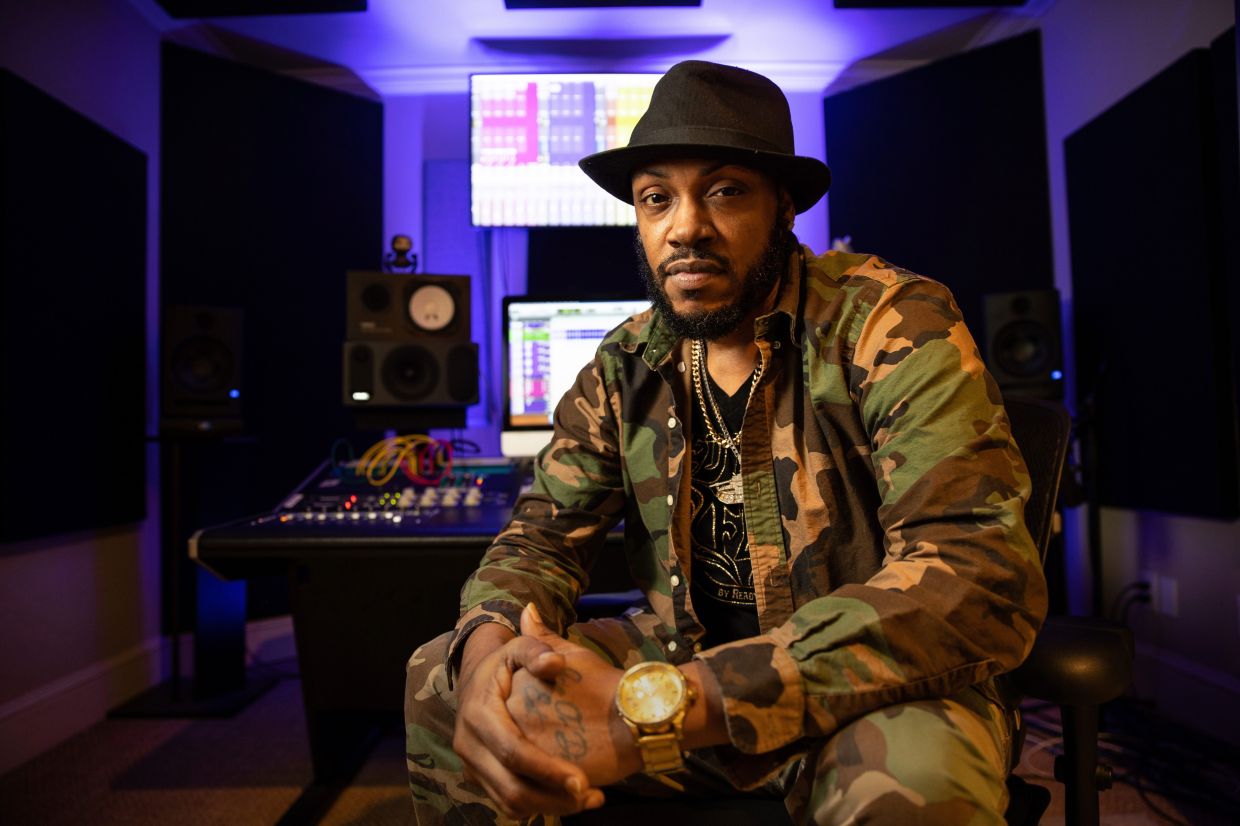
Michael Lawrence Tyler, known professionally as Mystikal, faces two decades in prison following his sentencing this week for sexually assaulting a woman at his residence in Prairieville, Louisiana, roughly 18 miles outside Baton Rouge. The Grammy-nominated artist, who achieved mainstream success during the late 1990s and early 2000s, accepted responsibility for the assault through a guilty plea to third-degree rape in March, securing a sentencing ceiling of 20 years rather than facing the maximum penalty allowable under law.
The plea arrangement substantially reduced his exposure compared to the original charges brought against him. Prosecutors initially pursued first-degree rape allegations, which would have carried an automatic life imprisonment sentence under Louisiana law. By negotiating the downgrade to third-degree rape, Mystikal's legal team succeeded in capping his potential incarceration at 20 years—a significant reduction that nonetheless represents a lengthy custodial sentence. The framework allowed both the prosecution and defence to reach resolution without proceeding to trial, though this certainty came at considerable cost to the defendant.
In a remarkable reversal just before his sentencing hearing on Tuesday, Mystikal sought to withdraw his guilty plea, contending that he had insufficient time to contemplate the ramifications of his admission. This last-minute attempt to retract his acceptance of responsibility was ultimately unsuccessful, with the court proceeding with sentencing based on the guilty plea already entered. The manoeuvre underscored the gravity of consequences now facing the entertainer, despite having orchestrated what appeared to be a strategic negotiation with the state.
The victim provided a harrowing account of her experience during the court proceedings, detailing violence accompanying the sexual assault. She testified that Mystikal punched her repeatedly, choked her during the assault, and violently pulled out her braids whilst forcibly assaulting her in his home. The woman exercised her right to address the court before sentencing and explicitly requested that the judge impose the maximum available penalty. Her statement painted a picture of deliberate brutality rather than a momentary lapse in judgment, seeking to ensure that consequences matched the severity of her suffering.
Mystikal's response to the victim during sentencing proceedings suggested acknowledgment of wrongdoing and its severity. According to local television reporting, the rapper stated that if he had subjected someone to such treatment, he would deserve the maximum sentence—an apparent concession that the victim's requested punishment was appropriate. This statement, whether calculated or genuine, represented an unusual moment of accountability from someone who had previously attempted to escape consequences through legal manoeuvring.
The sentencing culminates what has been a sustained period of pretrial incarceration. Since his arrest in 2022, Mystikal has remained imprisoned at Ascension Parish Jail without the possibility of bail. This extended detention throughout the investigative and prosecutorial phases means he has already spent years in custody awaiting resolution of his case, time that will likely count toward his 20-year sentence. The loss of freedom and extended separation from civilian life began immediately following his arrest, long before formal sentencing.
This case carries particular weight given Mystikal's previous conviction on sexual battery charges two decades earlier. In 2003, the Louisiana artist pleaded guilty to sexual battery and received a six-year prison sentence, demonstrating a pattern of sexual violence across his lifetime. That earlier conviction, coupled with the timing of his Grammy nominations that same year—when he received recognition in two categories, including best rap album—illustrated how the entertainment industry had elevated and rewarded him even whilst his criminal conduct was becoming public knowledge. The dual trajectory of professional acclaim and violent criminality underscores persistent failures in accountability within entertainment sectors.
Mystikal's rise to prominence occurred during the 1990s when he developed a distinctive style that resonated with hip-hop audiences and crossed over to mainstream commercial success. His 2000 single achieved particular prominence and helped establish him as a recognizable figure in popular music. The trajectory from regional Louisiana artist to Grammy-nominated performer represented the kind of ascent that typically affords individuals substantial resources and social protection. Yet despite such advantages and visibility, he engaged in predatory sexual behaviour that victimised women in his personal sphere.
The broader implications of this case extend beyond the individual defendant to questions about institutional accountability within entertainment. Mystikal's previous conviction on sexual battery charges did not prevent his continued career advancement or Grammy recognition, suggesting that the music industry's accountability mechanisms operated inconsistently. His ability to secure lucrative recording contracts and achieve mainstream visibility despite known sexual criminality reflected systemic failures to adequately protect vulnerable individuals from repeat offenders.
For Malaysian and Southeast Asian readers, this case illustrates patterns visible across international entertainment industries, where powerful figures sometimes evade accountability until dramatic intervention occurs. The sentencing represents a rare moment when the justice system ultimately prevails, though only after considerable delay and after the victim endured years of trauma without immediate consequences for her assailant. The case serves as a reminder that sexual violence within celebrity spheres remains a persistent problem requiring systemic attention rather than isolated prosecution.
Mystikal's incarceration removes from active cultural circulation an artist who once wielded considerable influence over popular music and youth culture. His absence from the entertainment landscape occurs two decades into the 21st century, far removed from his commercial peak. The extensive prison sentence ensures that his productive years within the entertainment industry have effectively concluded, relegating him to historical status as an artist whose brief prominence was ultimately eclipsed by criminal convictions.