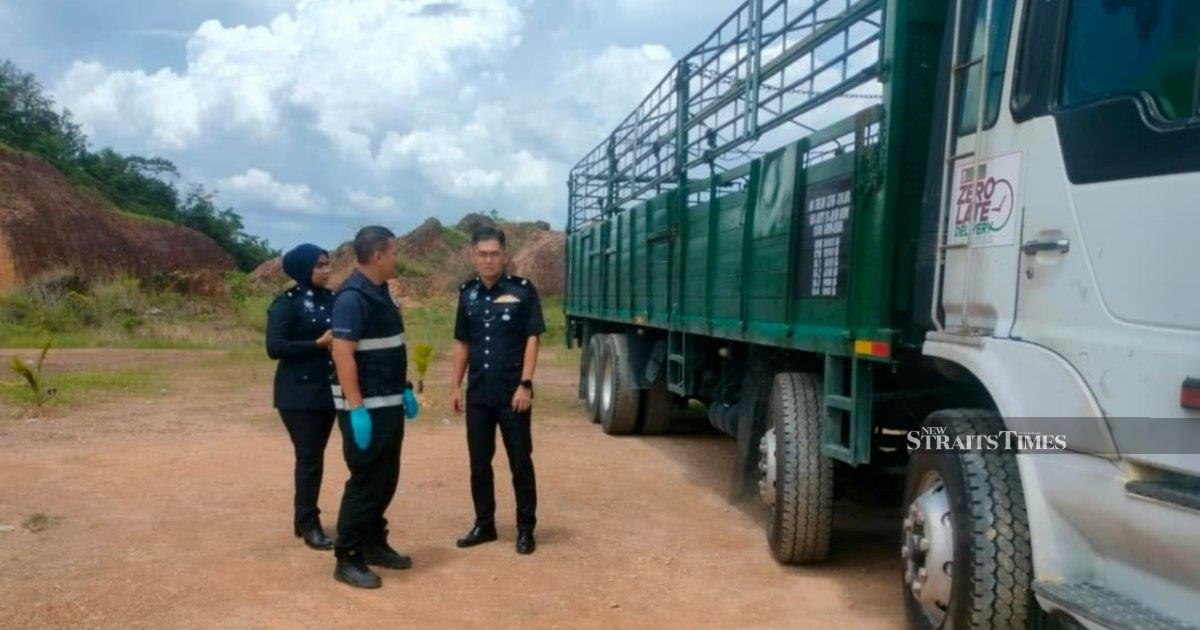
A tragic incident in a residential compound near Sungai Petani has claimed the life of a toddler, prompting police to arrest her 61-year-old grandfather for further investigation into the circumstances of her death. The young girl, aged just two years, was fatally struck by a heavy goods vehicle that the man was operating in reverse at their family home in Kampung Bukit Kuang earlier today.
The fatal collision raises serious questions about vehicle safety protocols in residential areas, particularly concerning the dangers posed by large commercial vehicles in driveways and family compounds where young children commonly play. Lorries, which are commonly used for deliveries and commercial transport throughout Malaysia, require significantly greater stopping distances and reverse visibility compared to standard passenger vehicles, yet their operation in tight residential spaces remains a persistent hazard across the country.
The arrest of the grandfather represents the initial stage of police investigations into what authorities are treating as an accidental fatality. Officers from the Sungai Petani district will be examining multiple factors including witness statements, the positioning of the vehicle at the time of the incident, visibility conditions, and whether adequate supervision or warning systems were in place to prevent the tragedy. The detention allows investigators to conduct a thorough reconstruction of events and determine whether any lapses in duty of care occurred.
Such incidents, while individually devastating, reflect broader safety concerns in Malaysian communities where mixed-use residential spaces accommodate both family activities and commercial vehicle operations. The Kedah case adds to a growing catalogue of preventable deaths involving heavy vehicles in domestic settings, many of which might have been averted through better awareness, improved supervision, or stricter protocols governing vehicle operation on private residential land.
For families and communities throughout Malaysia and Southeast Asia, the incident serves as a stark reminder of hidden dangers lurking in everyday environments. Young children, whose awareness of vehicular hazards remains underdeveloped and whose small stature makes them difficult for drivers to spot, are particularly vulnerable in driveways and compound areas where vehicles may be maneuvered without the formal traffic controls present on public roads.
The lorry involved in today's tragedy remains central to the investigation. Authorities will be examining the vehicle's maintenance records, particularly reverse warning systems, mirrors, and safety features designed to alert operators to obstacles behind the vehicle. Modern heavy vehicles increasingly incorporate camera systems and proximity sensors that can detect obstructions, yet older vehicles operating throughout Malaysia may lack these protective technologies entirely.
Police investigations into such incidents typically examine whether the driver exercised reasonable care given the circumstances, whether adequate warning was given before reversing, and whether supervision of the child met acceptable community standards. These complex questions often involve difficult determinations about negligence, parental responsibility, and the operator's legal obligations in residential settings where family members may be present.
The tragedy will likely impact not only the immediate family but also extended relatives and the broader Kampung Bukit Kuang community, as residents process the loss of a young life and grapple with questions about how such preventable accidents can be avoided in future. Local authorities may subsequently review residential safety guidelines, particularly for properties where commercial or heavy vehicles are regularly operated.
Beyond the immediate investigation, this incident underscores the need for enhanced public awareness campaigns targeting vehicle operators and families about driveway safety, supervision protocols for young children, and the critical importance of clear communication and warning systems before any vehicle is reversed. Malaysia's traffic safety authorities have previously emphasized the particular risks posed by reversing vehicles, which account for a substantial proportion of preventable accidents in residential areas.
The case also highlights the importance of modern safety technologies in heavy vehicles. Progressive installation of mandatory reversing cameras, proximity sensors, and audible warning systems across Malaysia's commercial vehicle fleet could substantially reduce similar tragedies. Enforcement of existing safety standards and encouragement of voluntary upgrades remain important policy considerations for transport regulators.
As investigators continue their examination of circumstances surrounding the girl's death in Sungai Petani, the focus will remain on understanding how such a tragedy occurred in a family's own home and what measures might prevent similar incidents throughout Malaysian communities. The outcome of police inquiries and any subsequent legal proceedings will provide important insights into how the law addresses accidental deaths involving family members and domestic vehicles.
The detention of the grandfather does not necessarily indicate criminal intent but rather reflects standard investigative procedure when a death occurs involving a vehicle and another party. The police process will determine whether the incident constitutes a simple accident or whether any factor suggests negligence or breach of duty that warrants formal charges.

