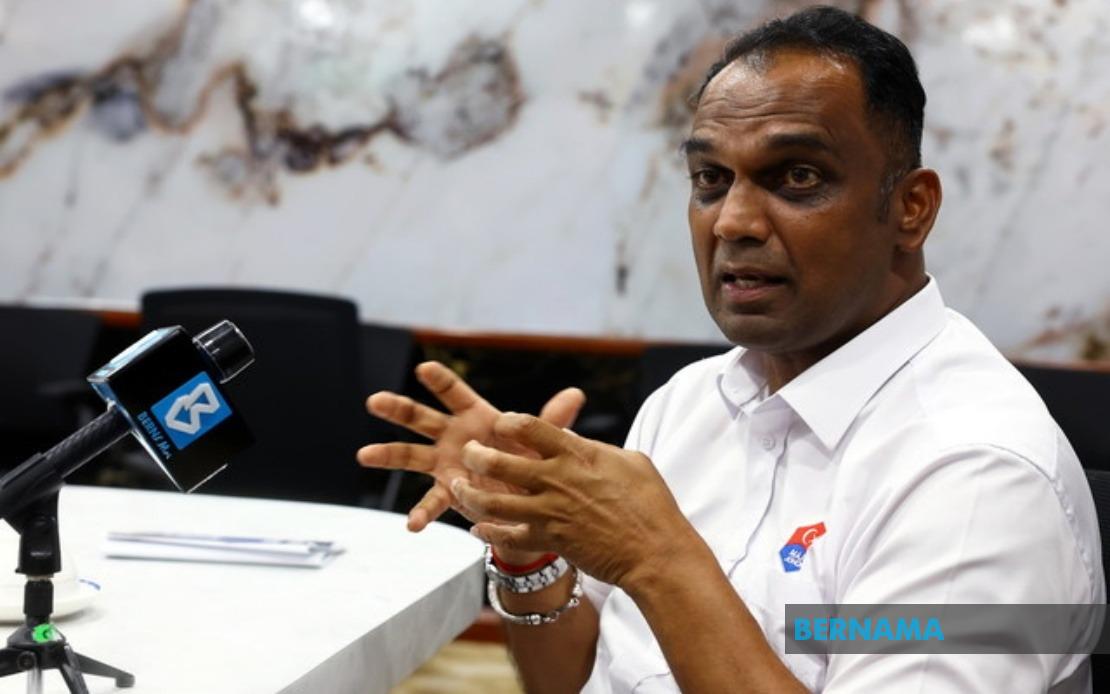
P. Pannir Selvam, the Barisan Nasional candidate contesting the Perling seat in the 16th Johor State Election, is charting an unconventional campaign path by emphasizing intimate community engagement over digital promotion. His strategy centres on what he terms "pocket talks"—small-group discussions held directly with residents throughout the constituency—as the primary mechanism for building voter confidence and understanding local concerns. This hands-on methodology represents a deliberate pivot away from purely online campaigning, reflecting a conviction that personal connection remains the most persuasive tool in Malaysian electoral politics.
While acknowledging that social media has reshaped modern political campaigns, Pannir Selvam contends that digital platforms cannot replicate the trust-building potential of face-to-face interaction. The pocket talks, he argues, accomplish multiple objectives simultaneously: they eliminate psychological distance between candidate and constituent, provide authentic avenues for residents to voice grievances, and demonstrate genuine commitment to public service. By meeting voters in their own communities rather than summoning them to formal venues, the candidate creates an atmosphere conducive to candid discussion about constituency challenges. This approach aligns with a broader Malaysian political trend where ground-level mobilization frequently outweighs media expenditure in determining electoral outcomes.
Pannir Selvam's entrance into state-level politics marks a significant career transition. Previously serving with Johor Bahru City Council, he brings local government experience but lacks the legislative credentials of seasoned politicians. This positioning as a relative newcomer could represent either vulnerability or advantage, depending on voter appetite for fresh perspectives versus established track records. His campaign narrative positions his inexperience as an asset—suggesting that an outsider perspective may be precisely what Perling residents need to address long-standing municipal problems. The pocket talk strategy effectively mitigates concerns about political naïveté by demonstrating accessibility and responsiveness to community input.
Pannir Selvam's family background substantially enhances his political credibility and campaign infrastructure. His father, Datuk KS Balakrishnan, served five consecutive terms as Permas Assemblyman and previously held membership on the Johor state executive council, establishing deep roots within the state's political establishment. At 84 years old, the former state councillor actively participates in campaign activities despite health and age considerations, providing both symbolic endorsement and practical campaign support. This multigenerational engagement suggests continuity of political service while offering Pannir Selvam access to decades of accumulated political knowledge and voter networks that money cannot purchase.
The elder Balakrishnan's involvement carries particular significance within Malaysian political culture, where family dynasties and intergenerational political leadership remain influential. His willingness to campaign despite advanced age sends a powerful message about family commitment and personal investment in the electoral outcome. More substantively, Pannir Selvam credits his father with teaching the fundamental principles of ethical public service—impartiality regardless of voter ethnicity, dignified response to criticism, and unwavering integrity. These values, transmitted through familial mentorship rather than formal training, form the philosophical foundation of his campaign messaging and policy commitments.
The Perling constituency presents both opportunities and challenges for Pannir Selvam's candidacy. With 109,992 registered voters, the seat represents a substantial but not overwhelming electoral base—large enough that casual campaigning will prove insufficient, yet manageable through intensive grassroots work. The constituency's demographic composition and previous voting patterns will significantly influence campaign effectiveness, though detailed breakdowns remain unavailable. Pannir Selvam's prior work within Johor Bahru City Council presumably familiarized him with the constituency's administrative structures and bureaucratic processes, providing practical advantages when addressing municipal complaints.
The traffic congestion and parking shortages plaguing Taman Perling Public Market represent precisely the type of concrete, quotidian grievances that pocket talks can effectively address. These are not abstract policy questions but tangible daily frustrations affecting quality of life. By emphasizing solutions to such specific problems rather than grand ideological statements, Pannir Selvam targets voter concerns at their most immediate and personal level. His prior municipal service ostensibly positions him to mobilize city council resources and administrative mechanisms toward these practical goals—a claim more credible than promises made by candidates lacking governmental experience.
Perling's competitive environment will test the pocket talk strategy's efficacy. The three-cornered contest includes Pakatan Harapan's Alan Tee Boon Tsong and Parti Bersama Malaysia's Boo Wei Han, both representing political forces with distinct ideological identities and voter bases. Pakatan Harapan's presence reflects the coalition's continued organizational presence within Johor despite setbacks during the 2022 general election. Parti Bersama Malaysia's candidacy introduces additional unpredictability by potentially fragmenting opposition and swing votes. In such fractured electoral environments, the candidate who most effectively mobilizes committed grassroots supporters often prevails, suggesting that Pannir Selvam's intensive engagement strategy may prove advantageous.
The broader context of the 16th Johor State Election encompasses 172 candidates competing across 56 constituencies, making this among Malaysia's most significant subnational political contests. Johor's electoral importance extends beyond state-level governance, given the state's economic prominence and BN's historical stronghold status. The election therefore carries implications for national coalition dynamics and the balance of power between federal and state administrations. Whether BN retains dominance or faces meaningful challenges will substantially influence national political trajectory and coalition stability.
Pannir Selvam's campaign timing proves consequential, as polling day approaches with early voting scheduled for July 7 and general polling on July 11. The compressed campaign period intensifies the advantages of pre-existing grassroots relationships and constituent networks. Candidates with established community connections require minimal time to mobilize supporters, whereas those depending primarily on media exposure may struggle to convert awareness into turnout. This temporal factor particularly favors Pannir Selvam's strategy, as pocket talks conducted throughout the campaign period create rolling momentum and demonstrate sustained commitment rather than last-minute electioneering.
The broader significance of Pannir Selvam's campaign approach extends beyond individual electoral calculation. His emphasis on intimate engagement over digital saturation reflects ongoing tension within Malaysian politics between traditional and contemporary campaign methods. While younger voters increasingly rely on social media for political information, older demographics and certain community segments remain most responsive to personal outreach. Pannir Selvam's balanced acknowledgment of social media's relevance while prioritizing face-to-face contact suggests strategic sophistication—recognizing that effective campaigns require methodological diversity rather than ideological commitment to any single approach.
Ultimately, the Perling contest will validate or refute assumptions about grassroots campaign effectiveness in contemporary Malaysian electoral politics. Should Pannir Selvam secure victory through pocket talks and community engagement, his success will reinforce the political viability of labor-intensive, relationship-based campaigning. Conversely, defeat would suggest that alternative strategies—technological sophistication, higher media visibility, or organizational resources—now outweigh traditional grassroots approaches. Either outcome will provide valuable evidence about the direction of Malaysian electoral behavior and the optimal allocation of campaign resources.

