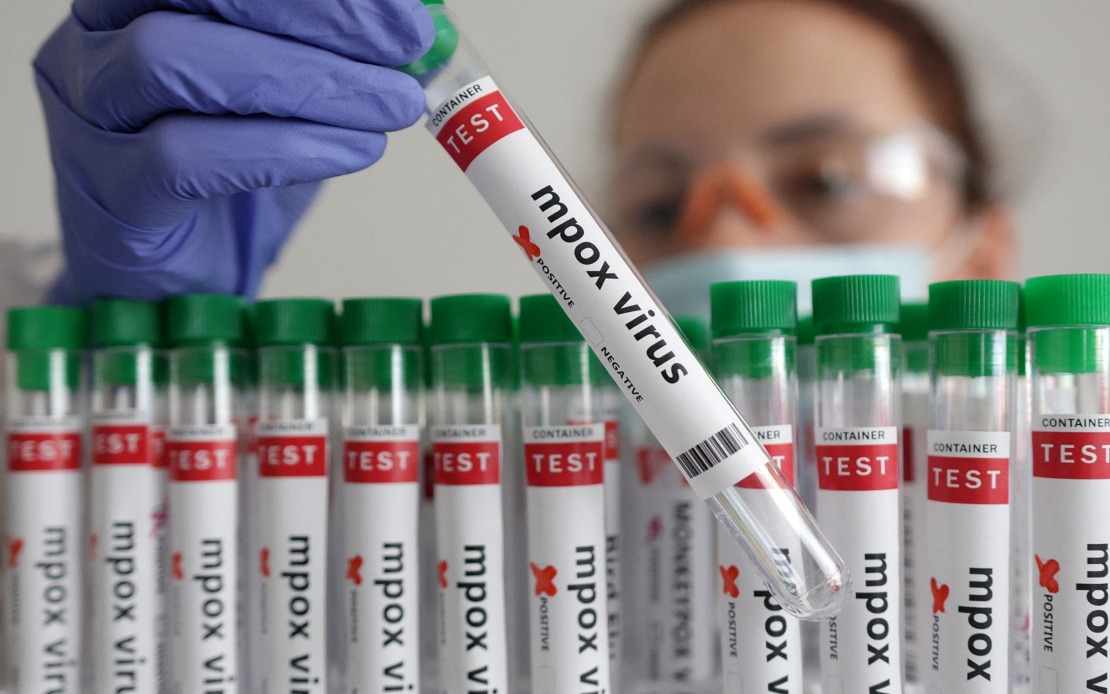
Guinea-Bissau has confirmed its first documented case of mpox, marking a significant public health development for the West African nation and triggering swift mobilisation of disease control mechanisms. Public Health Minister Quinhin Nantote announced the case on Saturday evening, revealing that the patient is a 27-year-old woman who initially presented for medical evaluation on June 24. The identification and confirmation of this case represents a critical milestone for Guinea-Bissau's health authorities, who have now entered an active phase of outbreak preparedness and community engagement.
The diagnostic pathway demonstrates the multi-layered approach required to confirm mpox infections in resource-constrained settings. When the patient first sought medical attention, healthcare workers collected specimens from skin lesions and transmitted them to Guinea-Bissau's National Institute of Public Health for preliminary analysis. Following initial testing, the samples were forwarded to the Institut Pasteur in Dakar, Senegal, a regional reference laboratory that provided confirmatory diagnosis. This verification process, while involving cross-border collaboration, ensured diagnostic accuracy and established a clear epidemiological record of the case.
The activation of national response mechanisms reflects Guinea-Bissau's commitment to adhering to international health standards and protocols. Health authorities have aligned their response framework with the International Health Regulations established by the World Health Organisation, creating a structured approach to containment and prevention. These mechanisms encompass epidemiological investigations designed to identify and monitor all individuals who have had close contact with the confirmed patient, a crucial step in preventing potential chains of transmission within the population.
Surveillance infrastructure has been significantly enhanced across Guinea-Bissau's territory, with particular emphasis placed on border control points. The reinforcement of monitoring systems at frontier regions is strategically important for a small West African nation situated between Senegal and Guinea, where cross-border movement is considerable. By strengthening surveillance at these strategic locations, authorities aim to detect any additional cases that might originate from neighbouring countries or identify transmission pathways that might extend beyond national borders.
Minister Nantote's public communications have prioritised educating the population about practical preventive measures that can reduce transmission risk. The emphasis on frequent handwashing reflects the fundamental importance of basic hygiene in controlling mpox spread, particularly in settings where access to advanced medical infrastructure may be limited. Equally critical is the public messaging regarding avoidance of close contact with individuals exhibiting fever or characteristic skin rashes, as these symptoms suggest potential mpox infection and indicate heightened transmission risk.
Understanding mpox transmission mechanisms is essential context for appreciating the measures Guinea-Bissau has implemented. The virus spreads through multiple pathways including direct contact with infected bodily fluids, transmission via respiratory droplets during close interaction, and contact with materials contaminated by the virus. This multi-route transmission pattern explains why public health responses must address diverse exposure scenarios and why community cooperation becomes paramount in breaking transmission chains.
The clinical presentation of mpox typically progresses through distinct phases that healthcare workers and the public must recognise. Symptomatic individuals experience fever, muscle aches, and progressive development of skin lesions that progress through stages of macules, papules, vesicles, and pustules before eventually crusting over. Swollen lymph nodes frequently accompany these manifestations, creating a distinctive clinical picture that distinguishes mpox from other infectious diseases. These symptoms provide vital diagnostic clues for health workers in Guinea-Bissau's medical facilities.
For the broader Southeast Asian region, including Malaysia, the Guinea-Bissau case underscores the persistent global circulation of mpox and the importance of maintaining vigilant surveillance systems. Although mpox remains geographically concentrated in specific regions, international travel and trade create pathways for potential introduction to any country. Malaysian health authorities have already demonstrated preparedness in previous mpox incidents, and this West African confirmation reinforces the necessity of maintaining robust screening protocols at ports of entry and sustaining laboratory capacity for rapid diagnosis.
The case also highlights disparities in disease detection and reporting capacity between developed and developing nations. Guinea-Bissau's ability to confirm this case depended on collaboration with Senegal's Institut Pasteur, illustrating how regional laboratory networks facilitate disease surveillance in Africa. Strengthening such partnerships and expanding diagnostic capacity within West African nations would enhance early detection capabilities and improve regional response coordination, principles equally applicable to Southeast Asia's disease prevention architecture.
Guinea-Bissau's transparent public health communication represents a positive model for outbreak response. By promptly announcing the case and explaining response measures to the public, authorities build community trust and encourage voluntary participation in contact tracing and preventive behaviours. This contrasts sharply with responses characterised by secrecy or delayed disclosure, which typically undermine public cooperation and effectiveness of containment measures.
The confirmation of Guinea-Bissau's first case adds to the evolving global mpox epidemiology. While the virus continues to circulate in endemic regions, particularly Central and West Africa, surveillance data from newly affected areas provides valuable epidemiological intelligence. International bodies including the WHO maintain close monitoring of such developments to assess whether patterns suggest natural spread, zoonotic spillover, or human-to-human transmission dynamics in previously unaffected populations.
Moving forward, Guinea-Bissau faces the dual challenge of investigating this confirmed case while preventing additional transmission in a nation with significant infrastructure constraints. The country's health system, like many in West Africa, operates within resource limitations that may complicate sustained surveillance and response activities. International support mechanisms, including technical assistance from WHO and resource partnerships with wealthier nations, become essential for maintaining response momentum and preventing the situation from escalating into a larger outbreak.

