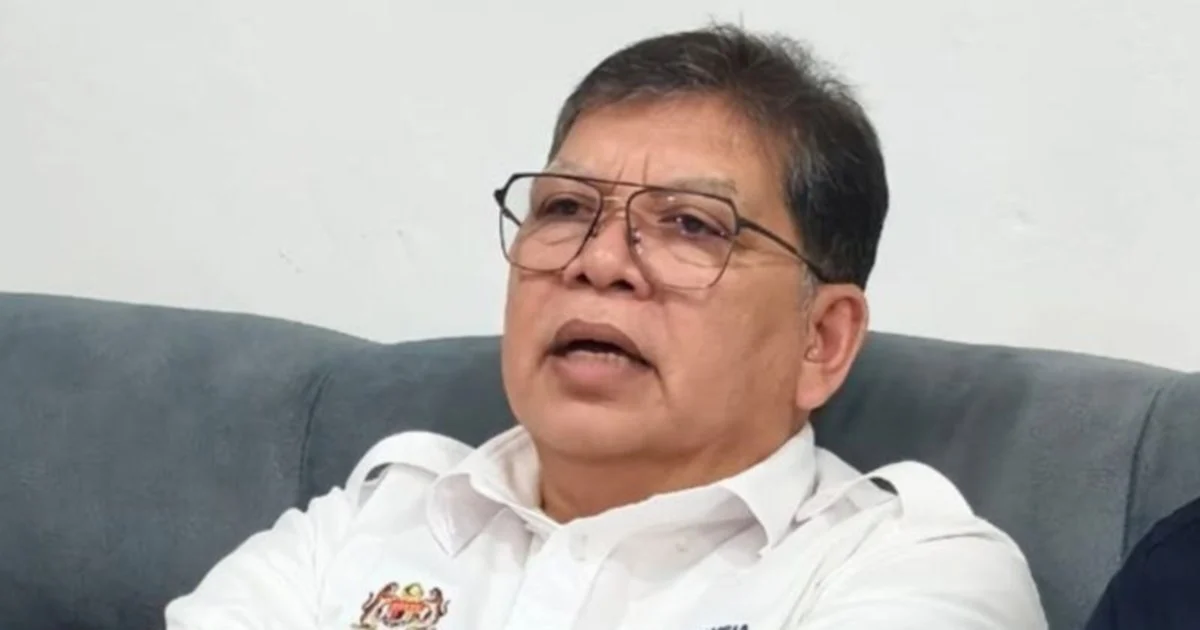
The Dewan Rakyat Speaker Tan Sri Johari Abdul has been formally notified of Perikatan Nasional's decision to retain Datuk Seri Hamzah Zainudin in his role as the parliamentary opposition leader. The notification came through an official letter submitted by the coalition's chief whip, Datuk Seri Takiyuddin Hassan, establishing Hamzah's continued leadership of the opposition bloc in parliament.
This reappointment represents a significant moment in Malaysia's current political landscape, where Perikatan Nasional has emerged as a formidable parliamentary force. The coalition, which encompasses Parti Islam Se-Malaysia (PAS) and Bersatu, has consolidated its position in the Dewan Rakyat through coordinated parliamentary tactics and internal unity. Hamzah's reconfirmation as opposition leader underscores the coalition's commitment to presenting a unified front against the government benches.
Hamzah Zainudin, a veteran politician and former Deputy Prime Minister, brings substantial experience to the opposition leadership role. His appointment signals Perikatan Nasional's intention to mount an organised and credible alternative perspective in parliamentary debates. The formal notification to the Speaker ensures that all parliamentary procedures and protocols governing opposition leadership are correctly observed, lending institutional legitimacy to the arrangement.
The role of parliamentary opposition leader carries significant constitutional and procedural weight in Malaysia's Westminster-derived system. The leader coordinates opposition activities, determines speaking slots for opposition members, and serves as the principal voice articulating alternative government positions on key policy matters. The Speaker's formal acknowledgement of this appointment establishes the line of authority for opposition business in the chamber.
Perikatan Nasional's decision to reappoint Hamzah reflects internal consensus within the coalition's leadership structures. Such appointments typically involve deliberation among senior coalition figures and alignment with the broader strategic objectives of member parties. The unified approach suggests that Perikatan Nasional has resolved any internal differences regarding parliamentary strategy and leadership positioning.
This development carries implications for the government's legislative agenda in parliament. With a well-organised opposition structure and experienced leadership, the government can expect vigorous scrutiny of its proposed bills and budget allocations. Hamzah's parliamentary acumen and previous cabinet experience mean the opposition will likely present substantive critiques rather than merely registering symbolic dissent.
The timing and formality of this notification matter in Malaysia's current political context. By formally notifying the Speaker through proper channels, Perikatan Nasional demonstrates its commitment to parliamentary procedure and institutional respect. This approach contrasts sharply with the fluid and often contentious nature of Malaysian politics in recent years, suggesting a stabilisation of parliamentary roles and responsibilities.
For Malaysian voters and stakeholders, this reappointment signals clarity about parliamentary opposition structures heading into crucial legislative sessions. When opposition leadership is clearly defined and widely acknowledged, parliamentary debates tend to be more substantive and organised. This institutional clarity can enhance public discourse by ensuring that alternative policy positions receive proper articulation and scrutiny.
The coalition's approach also reflects broader Southeast Asian trends toward institutional consolidation. As Malaysian politics matures beyond the significant upheavals of recent years, more emphasis is being placed on formal procedures, clear role definitions, and institutional respect. This development suggests parliament may transition toward more predictable and procedurally sound operations, benefiting democratic processes and public confidence in parliamentary institutions.
Looking forward, Hamzah's reconfirmed leadership will shape opposition dynamics during forthcoming parliamentary sessions, including budget scrutiny and legislative deliberations on national policies. His experience navigating complex coalition politics and parliamentary procedure positions him well to manage the diverse interests within Perikatan Nasional while presenting coherent opposition policies. The government, meanwhile, can anticipate a structured and experienced opposition force that will demand substantive justifications for policy initiatives.

