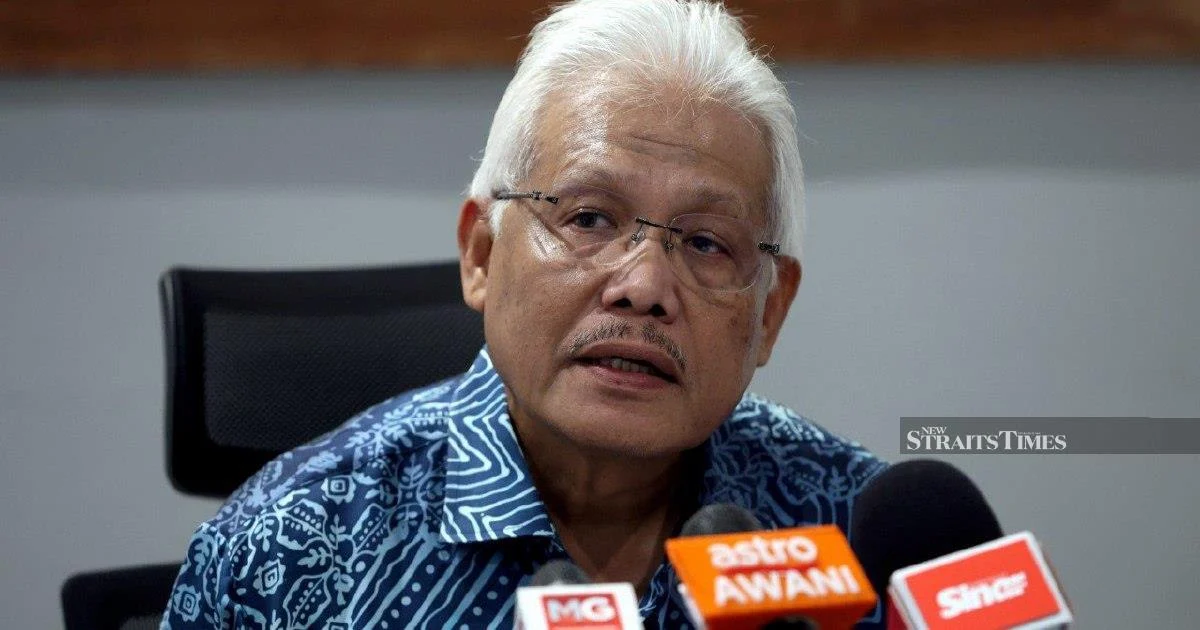
Hamzah Zainudin's Parti Wawasan Negara, the rebranded version of Parti Cinta Malaysia, has signalled an ambitious political mission: to serve as a unifying force between two of Malaysia's most influential Malay-Muslim parties, PAS and UMNO. The positioning reflects both the party's broader objectives and the contemporary political landscape, where fractures within the Malay-Muslim political base have become a recurring concern for stakeholders across the ideological spectrum.
The emergence of Parti Wawasan Negara with this bridging role underscores a persistent challenge in Malaysian politics. Despite sharing substantial common ground among Malay-Muslim constituents, PAS and UMNO have experienced periods of significant tension and competition. These divisions have historically created openings for opposition parties and, more critically, have sometimes resulted in voter fragmentation that dilutes the electoral impact of the bloc. Hamzah's new party aspires to mitigate these dynamics by positioning itself as a neutral mediator capable of facilitating dialogue and finding common cause.
The rebranding from Parti Cinta Malaysia to Parti Wawasan Negara signals a strategic recalibration. The new name carries connotations of national vision and perspective, suggesting an overarching framework that transcends narrower partisan interests. This semantic shift is deliberate: it frames the party not merely as another competitor vying for Malay-Muslim votes but as an entity committed to the broader health and cohesion of this constituency. Such positioning, if executed effectively, could appeal to moderates within both PAS and UMNO who share concerns about internal political fragmentation.
Understanding the historical context is essential for Malaysian readers assessing this initiative. UMNO has long positioned itself as the custodian of Malay-Muslim interests within a multiethnic framework, while PAS has anchored its appeal to Islamic principles and religious governance. Although they have cooperated in various coalitions, including Perikatan Nasional and earlier partnerships, their divergences on social policy, religious administration, and governance philosophy have frequently erupted into open competition. Regional differences in how these parties mobilise support—particularly in states like Kelantan, Terengganu, and Pahang—have further complicated coordination.
Hamzah Zainudin brings considerable political experience to this endeavour. His extensive background within UMNO and subsequent transitions have positioned him as a figure with credibility across different factions of Malay politics. His ability to articulate a vision that acknowledges the legitimate concerns of both traditional UMNO constituencies and PAS's religious base may prove instrumental in rendering this bridging function plausible to party members and voters alike.
The implications for Malaysian politics are multifaceted. If Parti Wawasan Negara successfully facilitates greater coordination between PAS and UMNO, it could reshape the balance of power in federal and state politics. Conversely, should the initiative fail to gain traction, it may merely fragment the Malay-Muslim vote further, potentially benefiting opposition coalitions. The success of this endeavour will depend on whether PAS and UMNO themselves perceive sufficient mutual interest in such mediation, and whether Hamzah's party can offer concrete mechanisms for addressing the substantive policy differences that have historically divided them.
For Southeast Asian observers, this development reflects broader regional patterns. Throughout the region, political fragmentation among ethno-religious or ideological blocs creates vulnerabilities and instability. Malaysia's experience with Malay-Muslim political divisions—and now an attempt to engineer greater unity—offers insights into how middle-power democracies navigate internal group cohesion in pluralistic systems.
The success of Parti Wawasan Negara's mediating role will likely hinge on its ability to offer both PAS and UMNO something of tangible value. This could include serving as a neutral forum for resolving specific policy disputes, facilitating candidate coordination in mixed constituencies, or providing a platform for joint policy development on issues of common concern. Without concrete mechanisms and demonstrated benefits, the bridging aspiration may remain largely rhetorical.
From a Malaysian perspective, the sustainability of any such mediating arrangement will also depend on electoral performance and public perception. If Parti Wawasan Negara can establish itself as a credible political force in its own right—securing meaningful parliamentary representation and demonstrating policy coherence—its stature as a mediator will correspondingly increase. Conversely, poor electoral outcomes could undermine its credibility as an intermediary.
The coming months will be critical in determining whether this bridging initiative represents a genuine structural innovation in Malaysian politics or merely another attempt at coalition-building that fails to address underlying tensions. The party's performance in the next election cycle, combined with its effectiveness in facilitating PAS-UMNO dialogue, will provide clarity on whether Hamzah Zainudin's vision of strengthening Malay political unity through mediation can transcend the considerable historical obstacles that have previously hindered such efforts.

