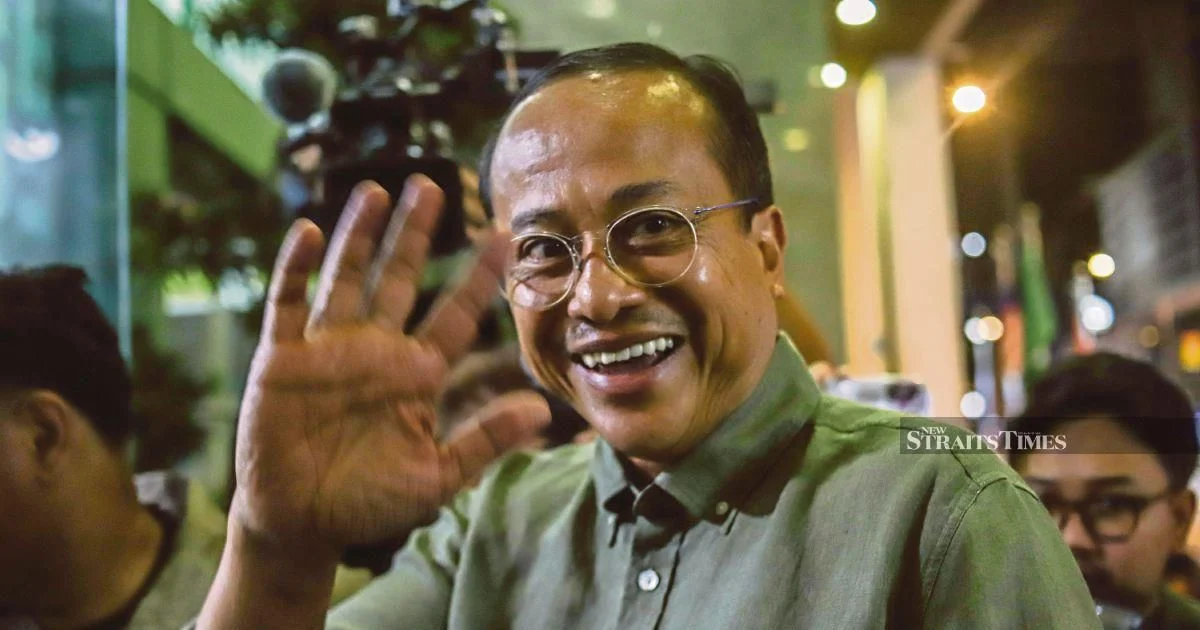
Datuk Seri Hamzah Zainudin remains Opposition Leader in the Dewan Rakyat despite not yet receiving formal written notification from Perikatan Nasional confirming his reappointment to the position. The Larut Member of Parliament continues to discharge the duties associated with the office in Parliament, though the absence of an official letter from the coalition governing his appointment underscores an institutional gap between de facto and de jure recognition.
The situation highlights the procedural complexities that can arise in Malaysia's parliamentary system when coalition arrangements undergo changes or reshuffling. While Hamzah Zainudin has maintained his standing as the leader representing the Opposition benches in the legislative chamber, the formal confirmation mechanism that typically accompanies such significant positions appears to have stalled or been delayed. This procedural oversight raises broader questions about documentation standards and the institutional frameworks that legitimise key parliamentary roles.
Perikatan Nasional, the coalition bloc that Hamzah Zainudin represents and which determines Opposition leadership appointments, has not yet issued the customary formal notice that typically accompanies the designation of parliamentary office holders. Such notices serve as the official record of appointment and constitute the administrative foundation upon which parliamentary proceedings recognise and validate leadership structures. The delay in issuing this documentation creates an unusual situation where practical parliamentary authority exists without corresponding formal institutional validation.
In Malaysia's Westminster-influenced parliamentary system, the Opposition Leader position carries significant ceremonial and functional responsibilities, including the right to direct parliamentary opposition activities, participate in formal parliamentary delegations, and receive enhanced parliamentary privileges commensurate with the role. The absence of formal documentation does not necessarily diminish Hamzah Zainudin's effective authority or parliamentary standing at present, but it does represent a departure from standard administrative practice regarding senior parliamentary appointments.
This development occurs within the broader context of Malaysia's evolving political landscape, where coalition arrangements, parliamentary mathematics, and leadership transitions have become increasingly complex and fluid. The Perikatan Nasional coalition's structure and decision-making processes regarding parliamentary representation can be subject to internal deliberations that sometimes create temporal gaps between political decisions and their formal institutional documentation. Such delays, whether intentional or administrative, can generate uncertainty about the stability or permanence of certain arrangements.
For Malaysian parliamentary observers and institutional scholars, the situation raises important questions about whether existing protocols for documenting senior parliamentary appointments require clarification or streamlining. Democratic legislatures worldwide maintain strict documentation standards to ensure transparency and institutional legitimacy. The formal notice serves not merely as a courtesy but as an essential record that establishes clear lines of accountability and authority within Parliament's institutional structure.
The practical implications of this procedural gap remain limited at present, as Hamzah Zainudin's performance of Opposition Leader duties continues without apparent impediment or challenge. However, the absence of formal documentation could theoretically create complications should disputes arise regarding the legitimacy of certain parliamentary decisions or actions taken in the Opposition Leader's name. It also sets a precedent that challenges the importance of strict administrative adherence to parliamentary appointment protocols.
The situation reflects a common tension in politics between formal institutional requirements and practical operational reality. In many cases, political actors proceed with their assigned roles and responsibilities despite administrative paperwork remaining incomplete or delayed. This pragmatic approach maintains governmental function but potentially creates vulnerabilities in the institutional record and historical documentation of parliamentary proceedings. Future researchers and administrators may find gaps or ambiguities when reviewing the period during which key appointments lacked formal written confirmation.
Larut's representation in parliamentary leadership through Hamzah Zainudin underscores the continuing importance of regional constituencies in shaping national political structures. The delay in formal confirmation of his Opposition Leader status does not diminish his parliamentary influence or his ability to represent his constituency's interests, but it does highlight administrative inconsistencies within the broader coalition framework that warrants attention from parliamentary administrators and institutional oversight bodies.
Moving forward, this situation may prompt discussions within Parliament's administrative circles regarding standardised timelines for issuing formal notices regarding leadership appointments. Establishing clearer procedures and deadlines for documentation could prevent similar gaps from occurring in future appointments, ensuring that formal recognition occurs promptly and consistently, thereby strengthening the institutional record and parliamentary legitimacy. Such procedural improvements would benefit the Malaysian Parliament's administrative efficiency and institutional credibility regardless of which coalition holds the Opposition leader role.