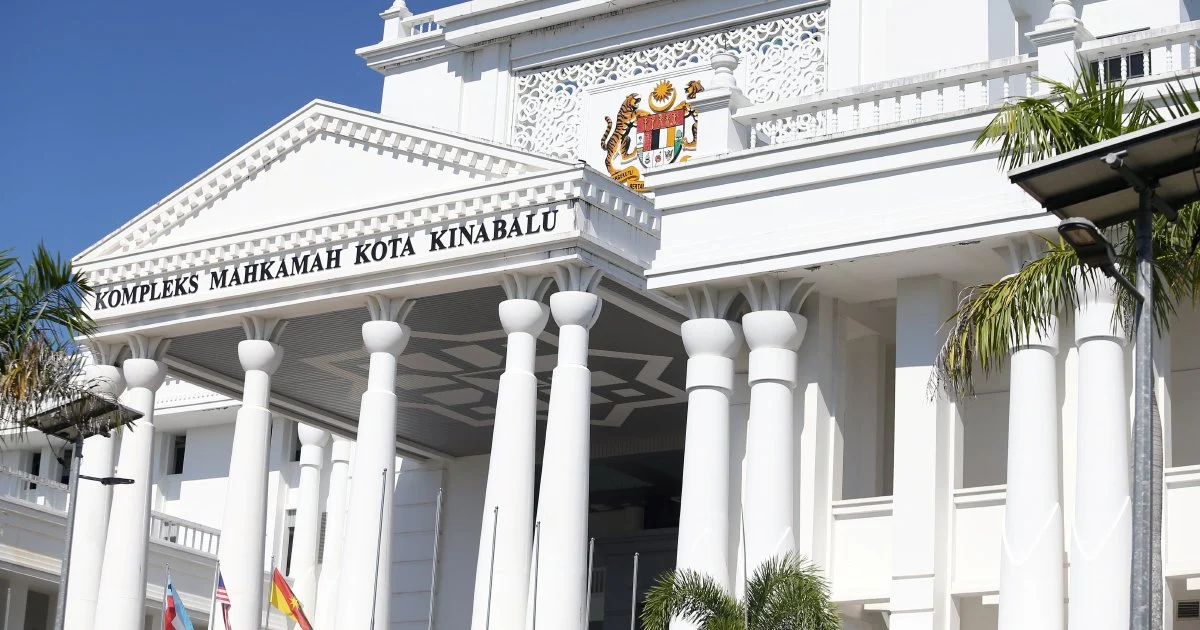
A handwriting analyst testifying before the Coroner's Court in Kota Kinabalu has maintained her original assessment that portions of the late Zara Qairina Mahathir's personal journals were not written in her hand, marking a significant development in the ongoing inquiry into circumstances surrounding the prominent figure's death.
The expert witness's steadfast position comes as proceedings continue to scrutinise documentary evidence that has emerged as a focal point in understanding the events leading up to Zara's passing. The handwriting analysis represents one of several investigative strands being pursued through the coroner's examination, which seeks to establish the full factual background surrounding the death of someone with high-profile family connections.
Zara Qairina Mahathir, member of a family prominent in Malaysian public life, became the subject of widespread public interest when her death occurred. The subsequent coroner's inquiry has drawn substantial attention to the journals and personal documents she left behind, which investigators believe may contain vital information about her state of mind and circumstances in her final days. The authenticity of these written records has therefore assumed considerable importance in the proceedings.
Handwriting analysis as a forensic tool carries both established utility and recognised limitations within legal proceedings. When an expert forensic document examiner undertakes such analysis, they typically examine factors including letter formation, spacing, pressure patterns, slant consistency, and other distinctive characteristics that can distinguish one person's writing from another. In this case, the analyst's conclusion that multiple hands contributed to the journal entries suggests the possibility that someone other than Zara may have added comments, annotations, or entire passages to the documents at some point.
The implications of such findings extend beyond mere technical curiosity. If entries were indeed added by other individuals, questions naturally arise regarding when such additions occurred, under what circumstances, and what information was being documented or altered. Such considerations become especially pertinent in cases where examining the deceased's own perspective, expressed through their private writings, becomes necessary to understanding significant events.
For Malaysian readers following this matter, the proceedings highlight the intersection between personal tragedy, investigative procedures, and the forensic science techniques employed within the Malaysian legal system. The Coroner's Court structure allows for thorough public examination of circumstances surrounding unexplained or sudden deaths, providing families and the public with a formal mechanism for establishing facts where questions persist.
The involvement of handwriting expert testimony also underscores how modern investigations, particularly in sensitive cases attracting public scrutiny, must address documentary authenticity with scientific rigour. The expert's willingness to reaffirm findings when called to defend them before the court demonstrates the standards of evidence that Malaysian judicial proceedings demand from specialist witnesses.
Within Southeast Asia's broader context, coroner's inquiries serve an important function in ensuring deaths are properly investigated and documented matters of public concern receive adequate scrutiny. Malaysia's approach generally permits relatively transparent proceedings in significant cases, allowing media coverage and public observation that contribute to accountability and confidence in official investigations.
The continuing nature of these proceedings suggests that the coroner's examination remains active, with potentially further witnesses or evidence to be presented. Such investigations typically require patient, methodical examination of multiple documentary and testimonial sources before conclusions can be drawn about the circumstances that led to a person's death.
The expert's testimony also raises broader questions about how personal documents should be preserved and secured, particularly in cases where such materials may later become subject to legal examination. The condition of documents, their handling history, and the possibility of post-mortem alterations are all factors that forensic experts must consider when providing analysis.
As the coroner's inquiry proceeds through its examination phase, the findings from documentary and forensic experts like the handwriting analyst will contribute toward the comprehensive factual record the coroner must ultimately establish. The court's role involves determining, as far as possible, who the deceased person was, when and where they died, and the particulars of how death came about, all of which depend upon careful assessment of available evidence.
The public interest in this case reflects both the family's prominence within Malaysian society and the general principle that unexplained deaths warrant thorough investigation. The coroner's process ensures that such investigation occurs transparently, with findings eventually disclosed in a manner that permits public understanding of what the evidence reveals.

