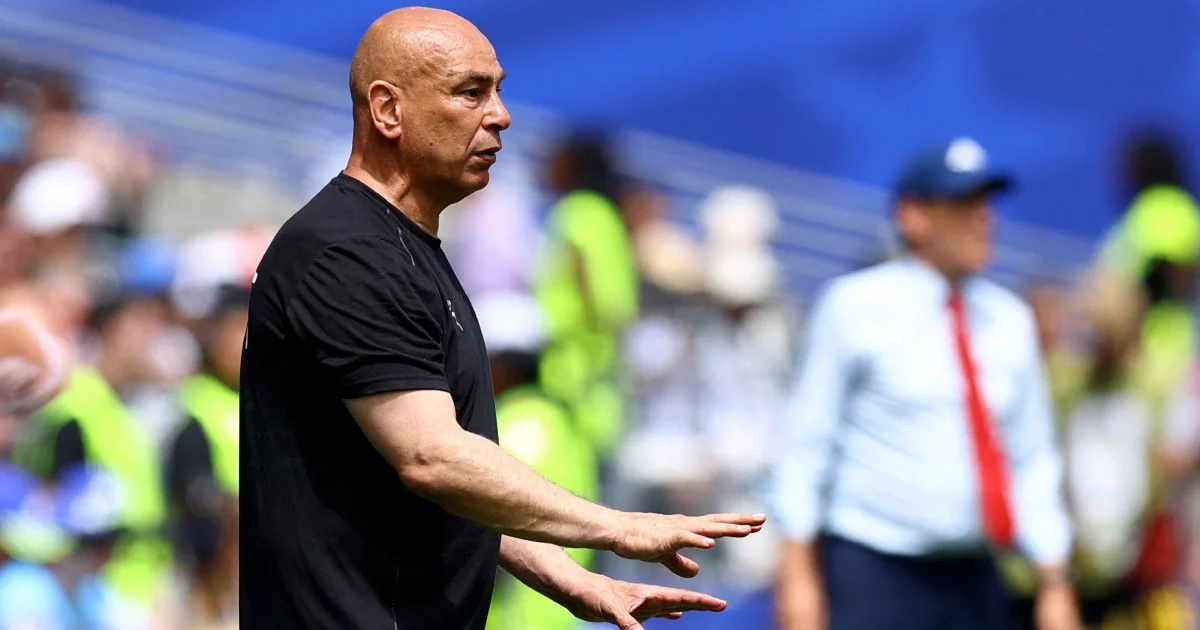
With World Cup dreams hanging in the balance, Egypt's coaching staff moved swiftly to extinguish mounting speculation about friction within the squad, with head coach Hossam Hassan categorically denying any rift involving the nation's most celebrated footballer, Mohamed Salah. Speaking from their Vancouver base ahead of Sunday's Group G fixture against New Zealand at BC Place, Hassan sought to reassure supporters that internal harmony remained intact despite persistent rumours suggesting otherwise.
The timing of Hassan's intervention proved particularly crucial, as Egypt prepares for what many regard as a make-or-break encounter in their World Cup campaign. The African heavyweight faces mounting pressure to deliver tangible results, and any suggestion of dressing room discord could undermine team cohesion at a moment when unity becomes paramount. Hassan's categorical dismissal of the alleged tensions appears designed to project an image of a united camp focused exclusively on the upcoming challenge.
Mohamed Salah's presence on the pitch remains central to Egypt's attacking aspirations. The Liverpool forward has long served as the creative fulcrum around which the team's hopes rotate, and any perceived cooling of relations between the player and coaching staff could theoretically impact both his performance and the broader team dynamics. Hassan's proactive addressing of the issue demonstrates awareness of how such narratives can gain traction in the intense atmosphere surrounding World Cup competition.
Egypt's path through the group stage requires careful navigation, with every point carrying significant consequences for progression. A victory over New Zealand would substantially bolster their chances, particularly given the unpredictable nature of World Cup football where unexpected results frequently reshape group standings. Hassan's emphasis on squad unity suggests the coaching staff recognises that psychological confidence and team morale contribute materially to on-field performance.
The Pharaohs arrive in Canada carrying considerable expectations from a nation starved of World Cup success. Egypt has never won football's most prestigious tournament, though the country boasts a proud continental pedigree and numerous Africa Cup of Nations triumphs. This World Cup represents an opportunity to challenge the perception that the African nation, for all its footballing heritage, struggles to deliver at the global stage when competing against elite opposition.
Salah's individual performance metrics continue to attract global scrutiny, extending beyond purely footballing considerations into broader narratives about leadership, personality, and how individual stars navigate the demands of international football. His relationship with coaching staff thus becomes newsworthy not merely as a curiosity but as a potential indicator of team strength. Hassan's intervention attempts to steer the conversation away from speculation and toward the tactical and strategic elements that might determine the outcome against New Zealand.
New Zealand presents an intriguing opponent—they are typically considered underdogs in World Cup competition, yet have demonstrated an ability to frustrate larger football nations through disciplined defending and collective effort. Egypt cannot afford complacency, and Hassan's focus on maintaining internal stability suggests he recognises the danger of approaching the match with anything less than total concentration. The All Whites, whatever their perceived weakness in global football hierarchy, represent a genuine test that requires undivided attention.
For Malaysian and Southeast Asian football observers, Egypt's trajectory through this World Cup holds interest beyond mere sporting curiosity. The African nation's performance influences broader perceptions about the competitiveness of non-European and non-South American football, a consideration that resonates with nations across Asia seeking to establish their own global presence. How Egypt navigates Group G will contribute to discussions about continental strength and the distribution of football quality across the world game.
The broader context of squad management during World Cup tournaments cannot be overlooked. Pressure intensifies, expectations multiply, and the condensed timeframe can exacerbate minor disagreements into perceived crises through media amplification. Hassan's clear communication about squad unity serves the dual purpose of deflecting distraction while reinforcing to his players that focus must remain singularly on the field. In tournament football, preventing internal friction often determines outcomes as much as tactical sophistication.
Egypt's offensive weaponry extends beyond Salah, though his presence remains transformative. The squad possesses several talented attacking players, and Hassan's emphasis on collective strength rather than individual personality suggests an attempt to broaden the team's attacking threat. This strategic positioning could prove important if Salah faces intensive marking or if New Zealand adopts specific tactical approaches designed to neutralise Egypt's star player.
As the teams prepare to meet at BC Place, Hassan's pre-match messaging establishes a clear narrative: Egypt approaches this fixture as a unified force with full confidence in its squad harmony. Whether this proves sufficient against a well-organised New Zealand side remains to be seen, but the psychological groundwork appears deliberately laid. In modern football, where narratives flow as rapidly as goals are scored, controlling the conversation becomes almost as important as controlling the midfield.

