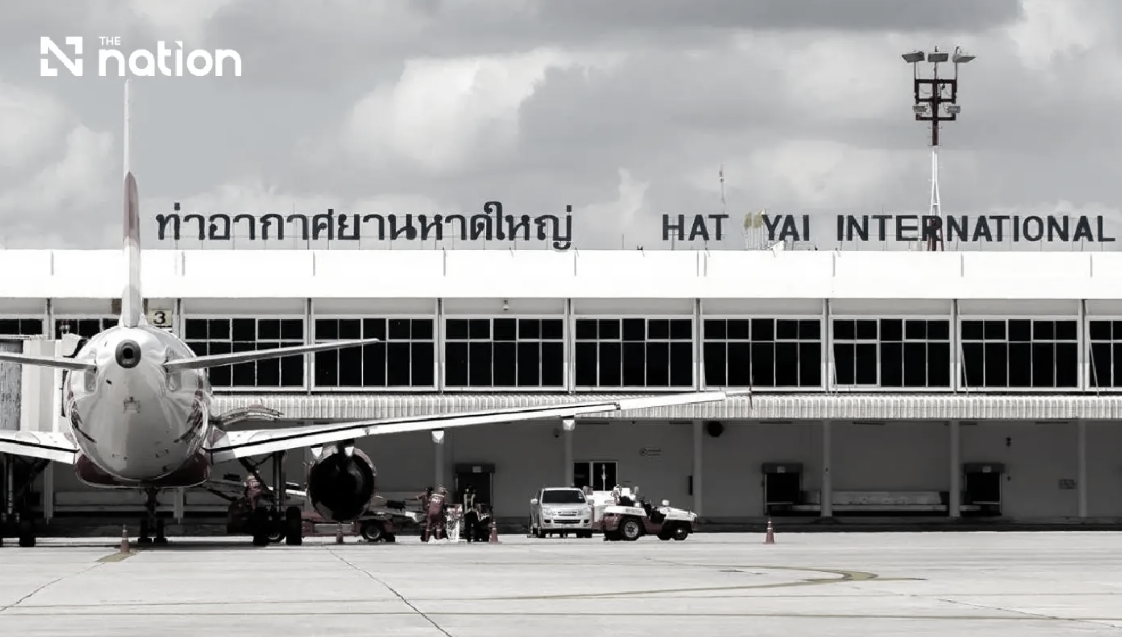
Southern Thailand's Hat Yai International Airport faced unexpected disruption when airport authorities closed Runway 26 after a mishap involving an airport fire engine, cascading consequences that rippled across regional air traffic on Wednesday afternoon. The incident prompted a formal aviation notice, or NOTAM, restricting access to the runway for nearly three hours while emergency protocols were activated and the incident zone secured.
The closure window extended from 1:55pm through 4:30pm on June 17, effectively preventing aircraft from landing at the facility during the critical afternoon period. This timing proved particularly disruptive given the concentration of domestic and regional traffic typically flowing through Hat Yai during mid-afternoon hours. Airport administrators prioritised safety considerations when ordering the temporary suspension, implementing standard procedures for managing unexpected incidents that compromise runway integrity or safety standards.
The inability to accommodate incoming flights created immediate operational challenges for airlines serving the busy southern Thai hub. Rather than circle the airspace consuming fuel whilst waiting for clearance, pilots received instructions to redirect their aircraft elsewhere. Flight-tracking data subsequently revealed the scale of the disruption, with evidence of at least two major flights being diverted from their intended destination. Thai Airways flight TG263 and Thai Lion Air flight SL712 both found themselves rerouted northward to Krabi Airport, the nearest alternative facility equipped to handle their arrival requirements.
For passengers already aboard these aircraft, the diversion meant uncertainty and extended travel times. One individual with a family member aboard Thai Airways flight TG263 recounted attempting to extract information from airport authorities about the unexpected routing change. Initial responses proved vague, with officials acknowledging only that an emergency situation had developed without elaborating on specific circumstances. This lack of transparent communication created frustration among travellers seeking to understand what was happening and when they might eventually reach their intended destination.
The diversion to Krabi Airport, located roughly 140 kilometres north of Hat Yai, introduced logistical complications beyond the simple matter of flying an alternative route. Passengers disembarking at an unscheduled airport faced ground transportation challenges, potential delays in connecting onward travel arrangements, and the general disruption inherent to any change in flight plans. Airlines typically offered rebooking or accommodation assistance, but the immediate period following such incidents invariably creates passenger frustration and operational strain.
Hat Yai International Airport serves as a crucial gateway for the southern region, handling significant traffic from both domestic and international sources. The airport connects southern Thailand to Bangkok and other key hubs, whilst also facilitating regional traffic within Southeast Asia. Any closure of operational capacity at this facility consequently affects a broader network of routes and connections, particularly for passengers transiting the southern Thai region or travelling between provinces. The three-hour runway closure, whilst temporary, demonstrated the vulnerability of regional infrastructure when unexpected incidents occur.
The circumstances surrounding the fire engine accident itself remained largely undisclosed beyond confirmation that such an incident had indeed occurred. Airport authorities did not immediately provide detailed explanations regarding how the vehicle became involved in an accident or what specific damage resulted from the mishap. This information gap reflected either ongoing investigation processes or simply the reality that immediate operational priorities supersede public communication during active incidents. However, the fact that safety considerations drove the closure decision suggests the incident was taken seriously and warranted precautionary measures.
For Malaysian travellers and businesses with connections to southern Thailand, the incident underscores potential disruption risks when utilising regional air infrastructure. Hat Yai serves numerous cross-border routes and is frequently used by Malaysian residents and commercial interests. Such operational interruptions, whilst hopefully rare, remind stakeholders of the importance of building flexibility into travel schedules when depending on smaller regional airports. The diversion to Krabi, whilst managing the immediate crisis, added hours to passenger journeys and complicated business itineraries.
Airlines operating in the region maintain contingency protocols for such scenarios, and the successful diversion of affected aircraft demonstrated these procedures functioning as intended. However, the temporary nature of the closure meant the situation resolved relatively quickly once the runway could be cleared and declared safe. By evening, normal operations presumably resumed, allowing the accumulated traffic backlog to clear and services to normalise. The incident served as a reminder that even well-established facilities can experience unexpected disruptions requiring swift management and passenger communication.
Stakeholders across the regional aviation sector will likely review this incident as part of ongoing safety and operational protocols. Understanding how a fire engine became involved in an accident on an active runway could inform future procedural improvements, particularly regarding ground vehicle management and airfield safety procedures. The closure's relative brevity and the absence of reported injuries or major damage meant this incident remained contained, yet it highlighted operational vulnerabilities that warrant continued attention.